
Israel, the humbling of Hezbollah – and the Lebanese people caught in the crossfire
For the thousands displaced and unsupported, the war feels very far from over
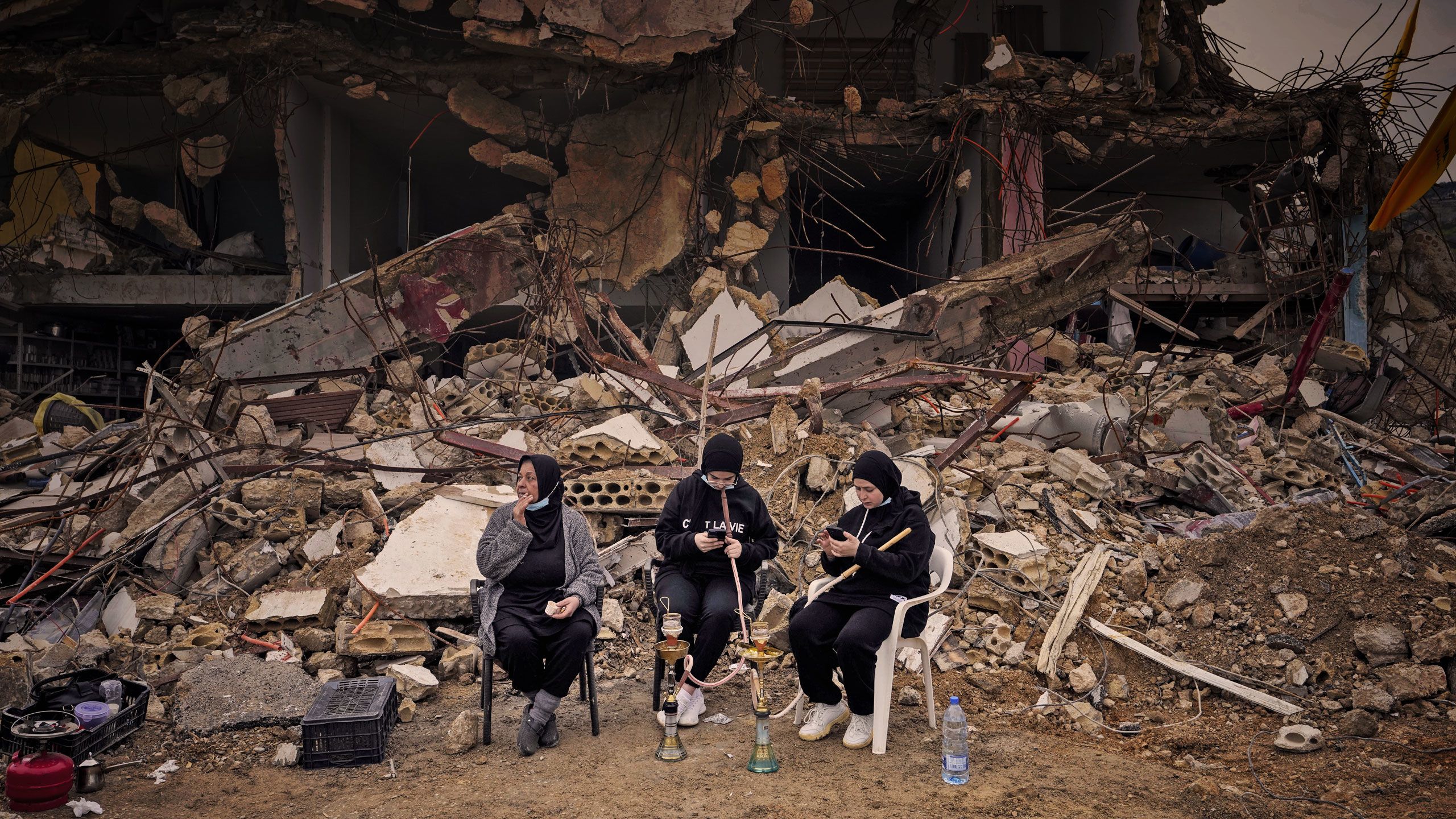

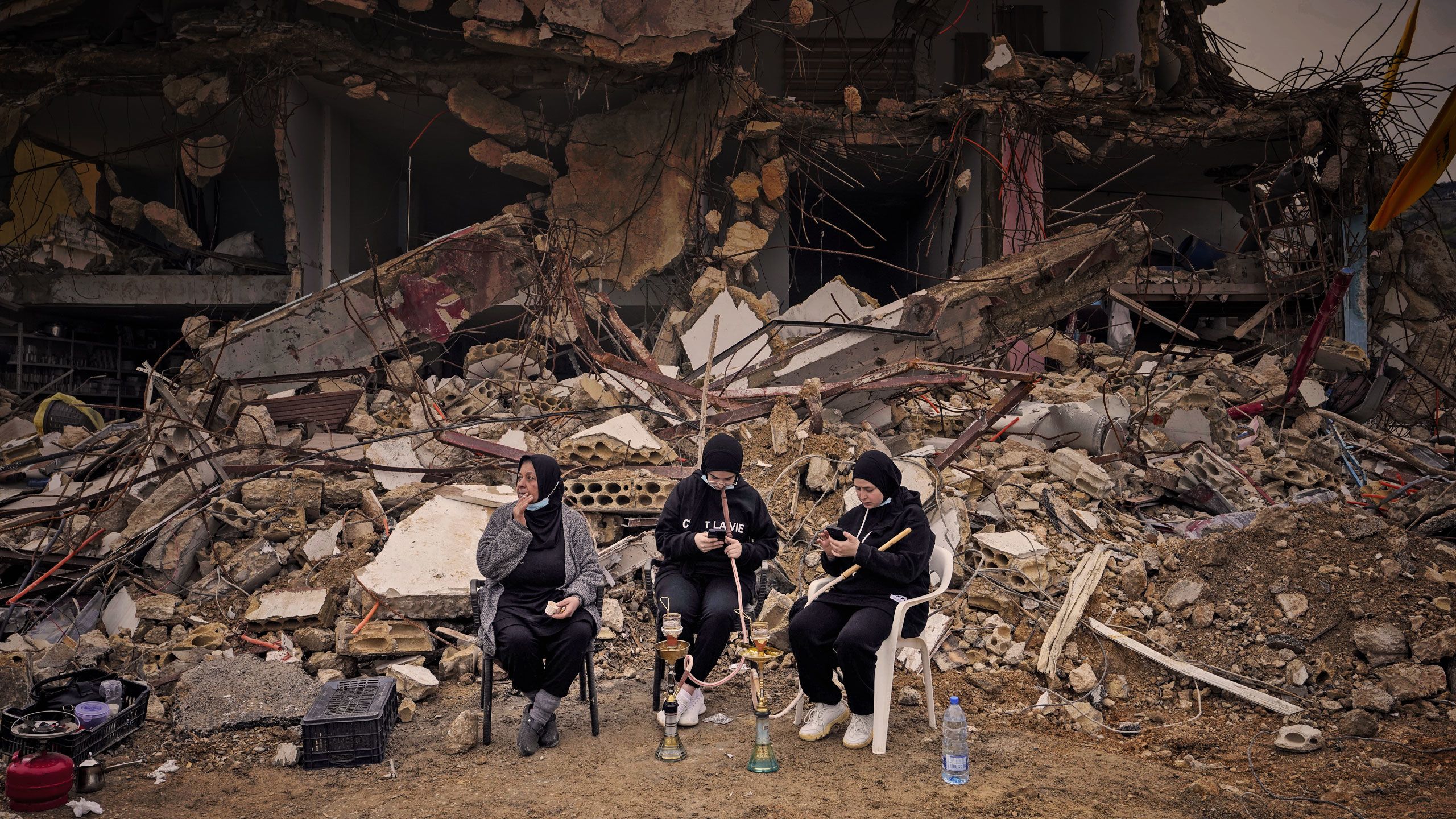
Israel, the humbling of Hezbollah – and the Lebanese people caught in the crossfire
For the thousands displaced and unsupported, the war feels very far from over
When Hussein Koteish tried to return to his home in the southern Lebanese village of Houla this year, Israeli soldiers shot, abducted and held him for almost a month before releasing him.
“They wanted me to say I’m a Hezbollah fighter, but I’m not,” says the 64-year-old sales representative for a marketing company.

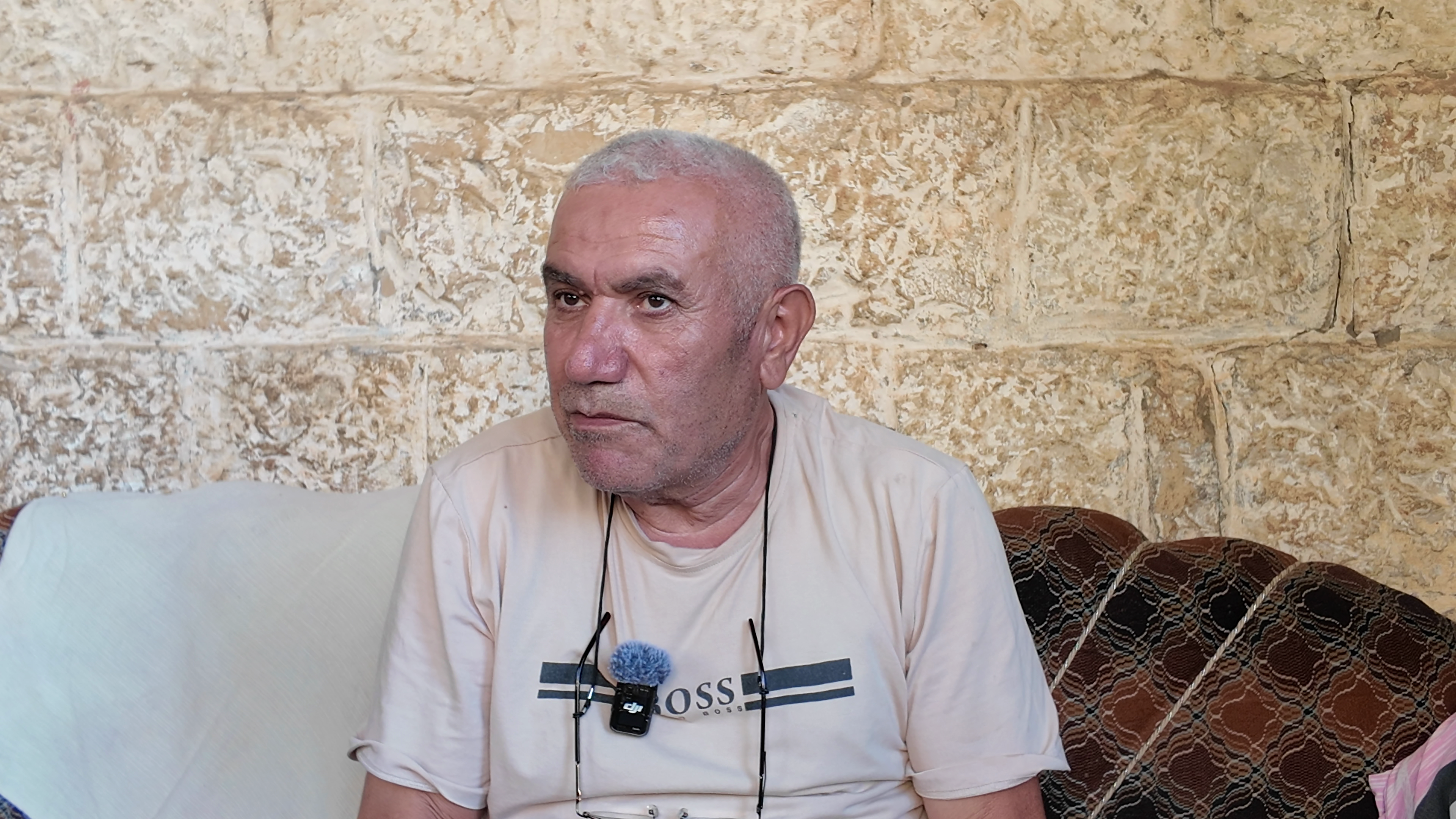
Hussein Koteish at his niece's home in Houla. Mohamad Zanaty for The National
Hussein Koteish at his niece's home in Houla. Mohamad Zanaty for The National
Like many Lebanese people displaced during the 14-month war between Hezbollah and Israel that ended last year, Mr Koteish wanted to go home. But more than nine months after the ceasefire, his house remains out of reach. It lies inside one of several zones in southern Lebanon that are illegally occupied by Israel in contravention of the truce agreement.
It was also a war that brought the once powerful Hezbollah to its knees and wiped out its senior leadership in a rapid collapse perhaps most infamously triggered by the deadly pager attacks that laid bare the Mossad’s infiltration of the militant group.
When The National visits Mr Koteish in Houla in early September, he is sitting on a sofa outside the home of his niece Saneya. He proudly flips through photos of the house he rebuilt after Israel flattened it in 2006, only to see it destroyed again last year.
Today, Ms Koteish’s home has become a hub of sorts for returning residents trying to eke out a life in a village scarred by war. For years, she operated a corner shop next door but, after the Israelis destroyed it, she now runs it from a room inside her home.

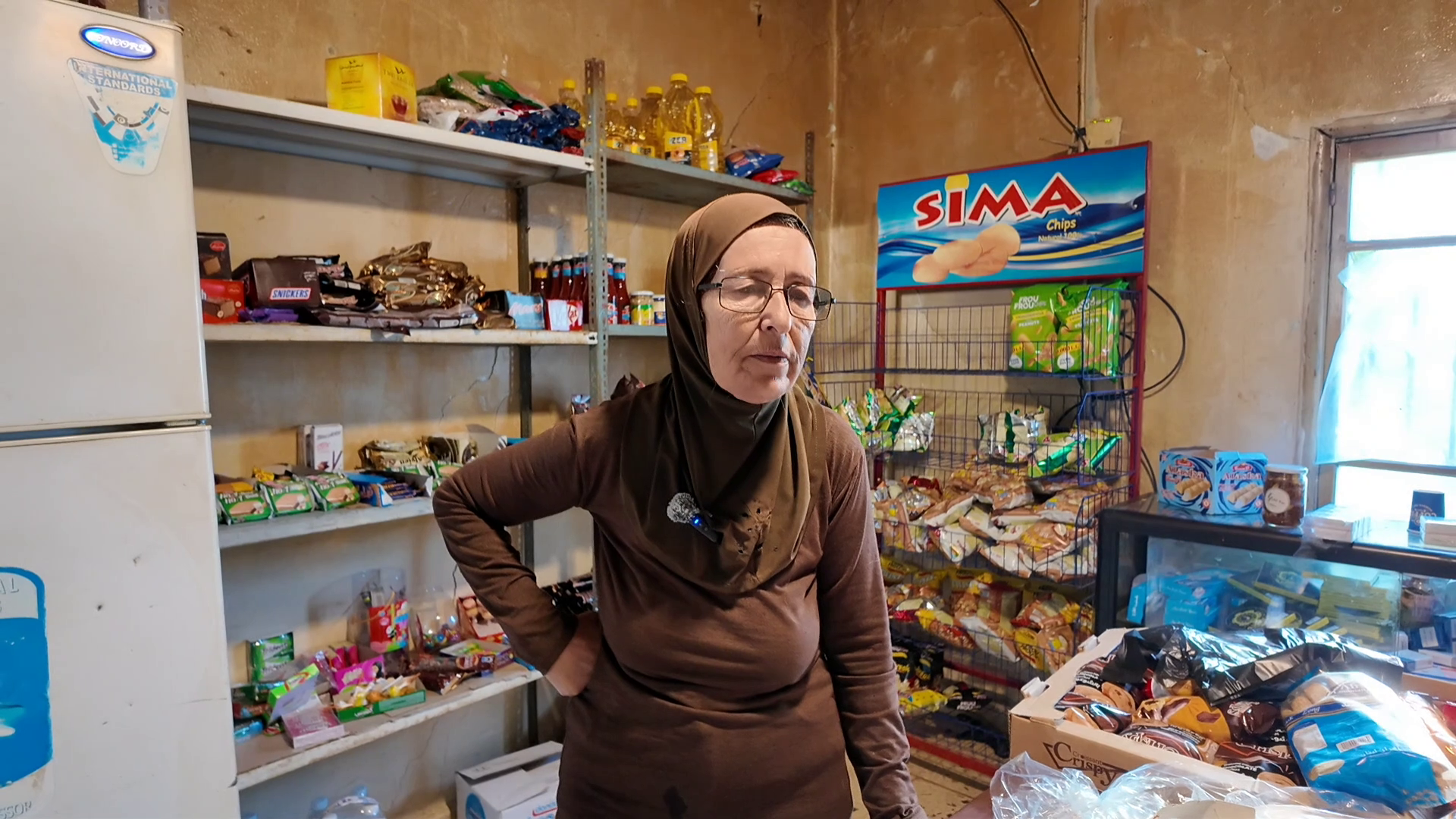
Saneya Koteish runs her shop from inside her home in Houla. Mohamad Zanaty for The National
Saneya Koteish runs her shop from inside her home in Houla. Mohamad Zanaty for The National
"Be patient, I have guests," Ms Koteish says to a bunch of rowdy children clutching crisps and ice cream as they wait to pay.
These little pieces of activity are a contrast to last autumn, when Houla emptied during the war. Ms Koteish was among the last to be evacuated north by Unifil, the UN peacekeeping force in southern Lebanon, in October.
Lebanese soldiers occasionally stop by her shop – usually unarmed – to buy snacks before returning to their posts. She recalls how a local resident, sent to deliver an order to them, came under Israeli fire on the way.
Another Israeli occupation
Down the road, on the outskirts of Houla, an Israeli drone noisily hovers over the heads of a handful of Lebanese soldiers.
A couple of hundred metres away – inside Lebanese territory – an Israeli soldier watches from the top of a fortified sandy hill, a blue and white flag bearing the Star of David fluttering behind. The outpost was built beside a base belonging to Unifil. It is at least one of five positions Israel illegally occupies in south Lebanon, including buffer zones near Ad-Duhairah and Kfar Kila.

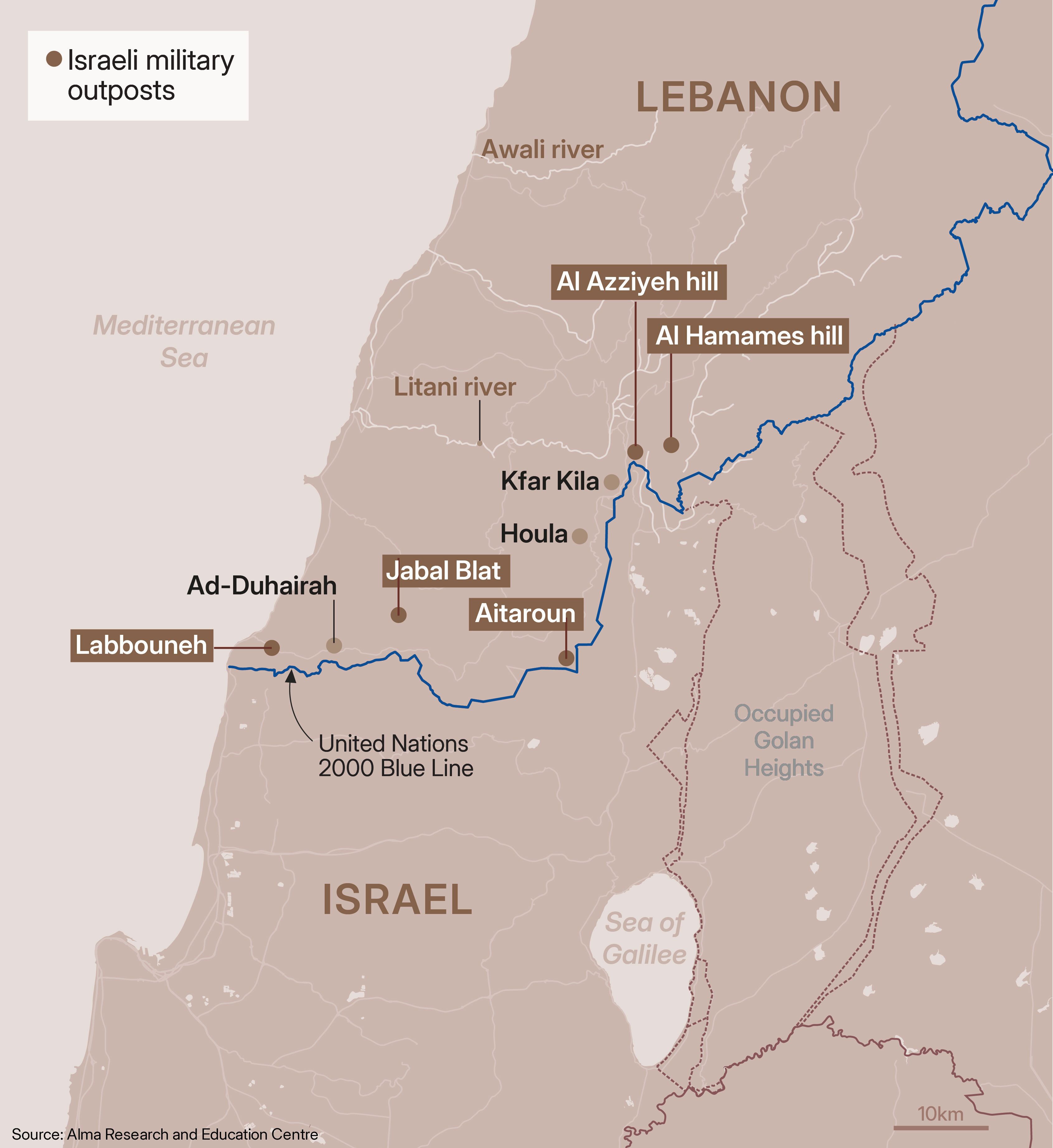
Lebanese soldiers told The National that they can drive past the base, but the Israelis often fire at them. They said the Israelis also routinely leave the outpost to patrol their areas.
Caught between this tense power play and the destruction from the war are the Lebanese people living in the south in villages such as Houla.
Houla has no assistance from the cash-strapped government, which wants to help but cannot offer much. Many of the homes have gone or are severely damaged. Residents have no electricity or clean water and no access to reconstruction funds. They are sometimes fired on by Israeli soldiers blowing up homes from the ground or bombing them from above in a scorched-earth strategy.
"They don't even acknowledge our humanity. How can they acknowledge our sovereignty?" asks Mr Koteish.
He and his niece attempted to return to Houla on February 16, having assumed it was safe because residents of nearby Aitaroun were able to go back home. It was still days before the Israelis were supposed to leave Lebanon, after extending their withdrawal deadline.
When they arrived, it was clear the Israelis had made themselves at home in Ms Koteish’s house.
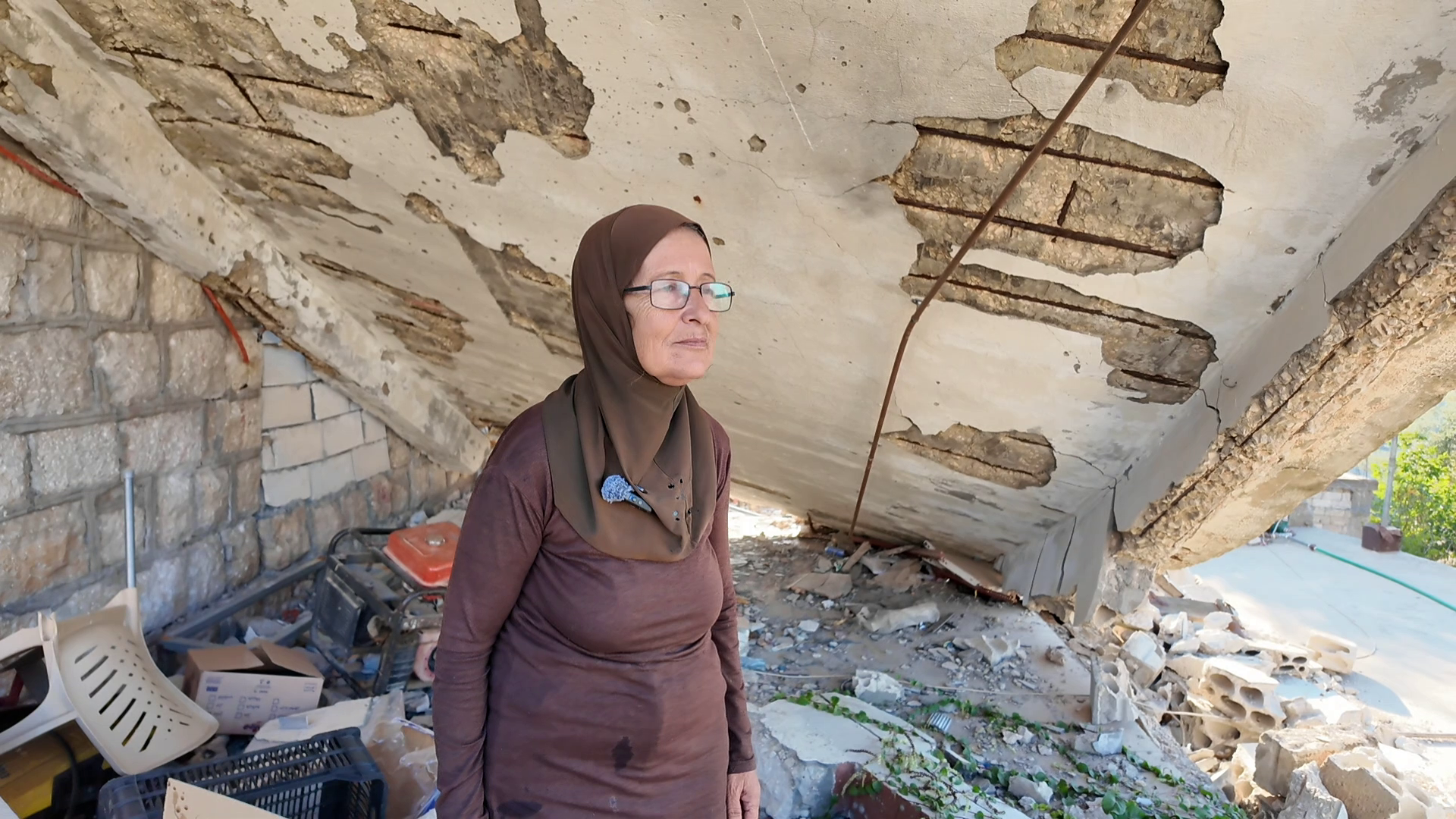
Saneya Koteish's shop beside her home in Houla was destroyed by the Israeli army. Mohamad Zanaty for The National
Saneya Koteish's shop beside her home in Houla was destroyed by the Israeli army. Mohamad Zanaty for The National
“They had been sleeping on the bed. They forgot their glasses and had been drinking cola, and they’d been shooting from my upstairs windows,” says Ms Koteish.
Not long afterwards, she heard weapons fire and saw her uncle Hussein, who had been making his way to his home, injured in the street by Israeli shooting. The soldiers confronted Ms Koteish too, asking her why she had come to Houla, but held fire. Soon another Israeli patrol came by and abducted Mr Koteish, taking him to Israel.
He was treated in a military hospital before being moved to Ramle Prison. For weeks, he was interrogated as the Israelis tried and failed to establish any links between him and Hezbollah, before he was released.
Another Houla resident, who lost almost everything in the war, is builder Ali Hussein Hammoud. He and his family now live in a shop he used to rent out but was forced to convert into a makeshift home for them.

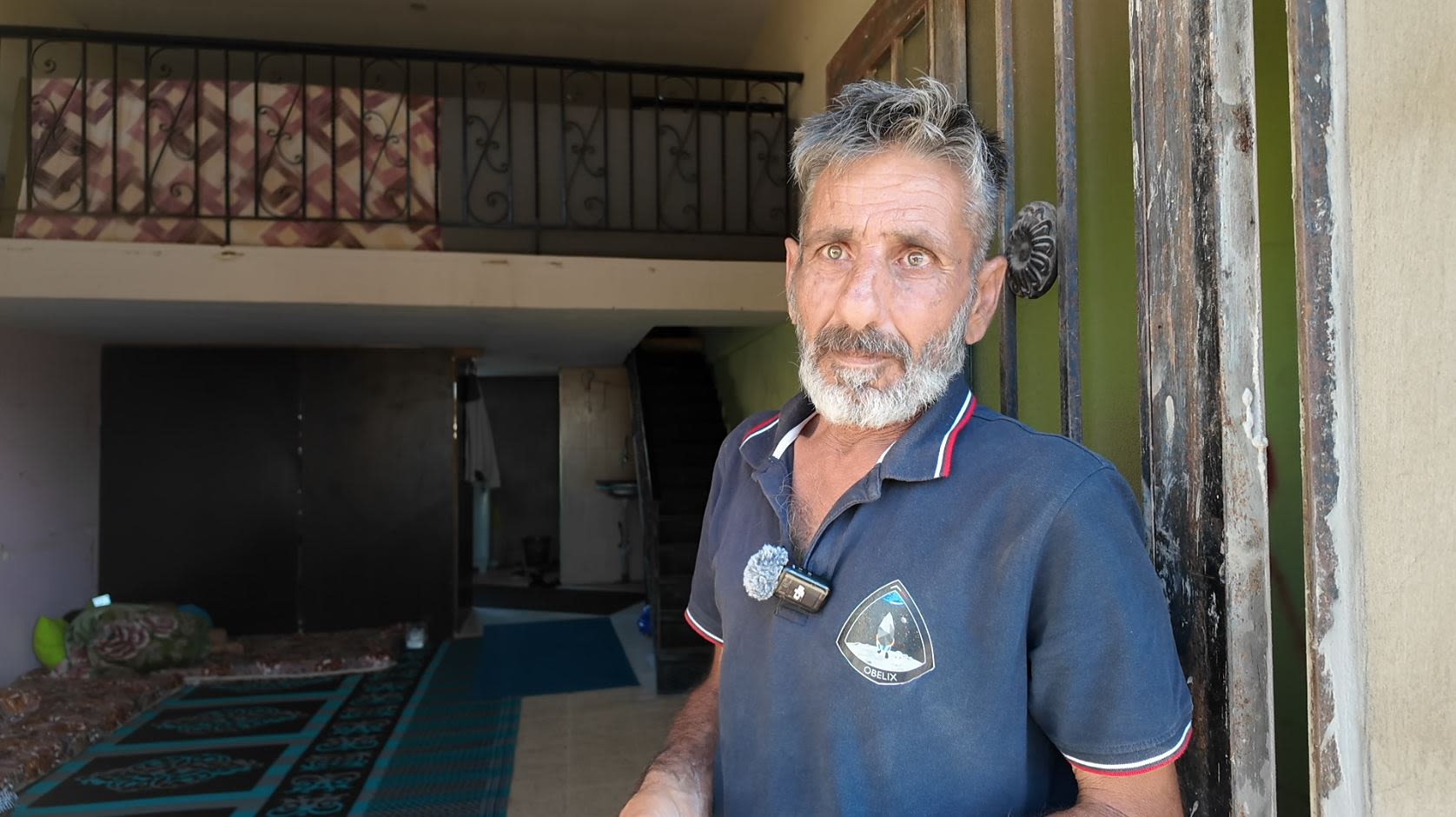
Ali Hussein Hammoud in his makeshift home in Houla. Mohamad Zanaty for The National
Ali Hussein Hammoud in his makeshift home in Houla. Mohamad Zanaty for The National
Before the war, Mr Hammoud owned four houses and 10 shops that provided a comfortable living.
"Now, I’m poor to the bone. How am I supposed to build a life after this? There’s no liquidity to start a life."
Despite being left with next to nothing, Mr Hammoud says he had to come back.
"There’s nothing out there for me and, anyway, I wouldn’t leave Houla. I won’t leave the village, I’ve never left the village in my life. I was born here. I was raised here and I’ll die here," he says.
Hezbollah’s broken shield and the Lebanese government under pressure
Before the war, Hezbollah was the most powerful non-state military force in the region and maintained a strong presence in southern Lebanon. Today, it is severely weakened.
The ceasefire that took effect on November 27, 2024 mandates the group’s withdrawal to north of the Litani river and the confiscation of its infrastructure, while the underfunded Lebanese Armed Forces expand their presence in the south.
But the army, already stretched thin, struggles to fill the void. In towns like Houla, Israeli occupation and near-daily incursions make it impossible for the army to function inside its own territory. The army insists it is ready to deploy across all of its territory, but blames the Israeli's occupation and continuous attacks for making this unachievable at the moment.

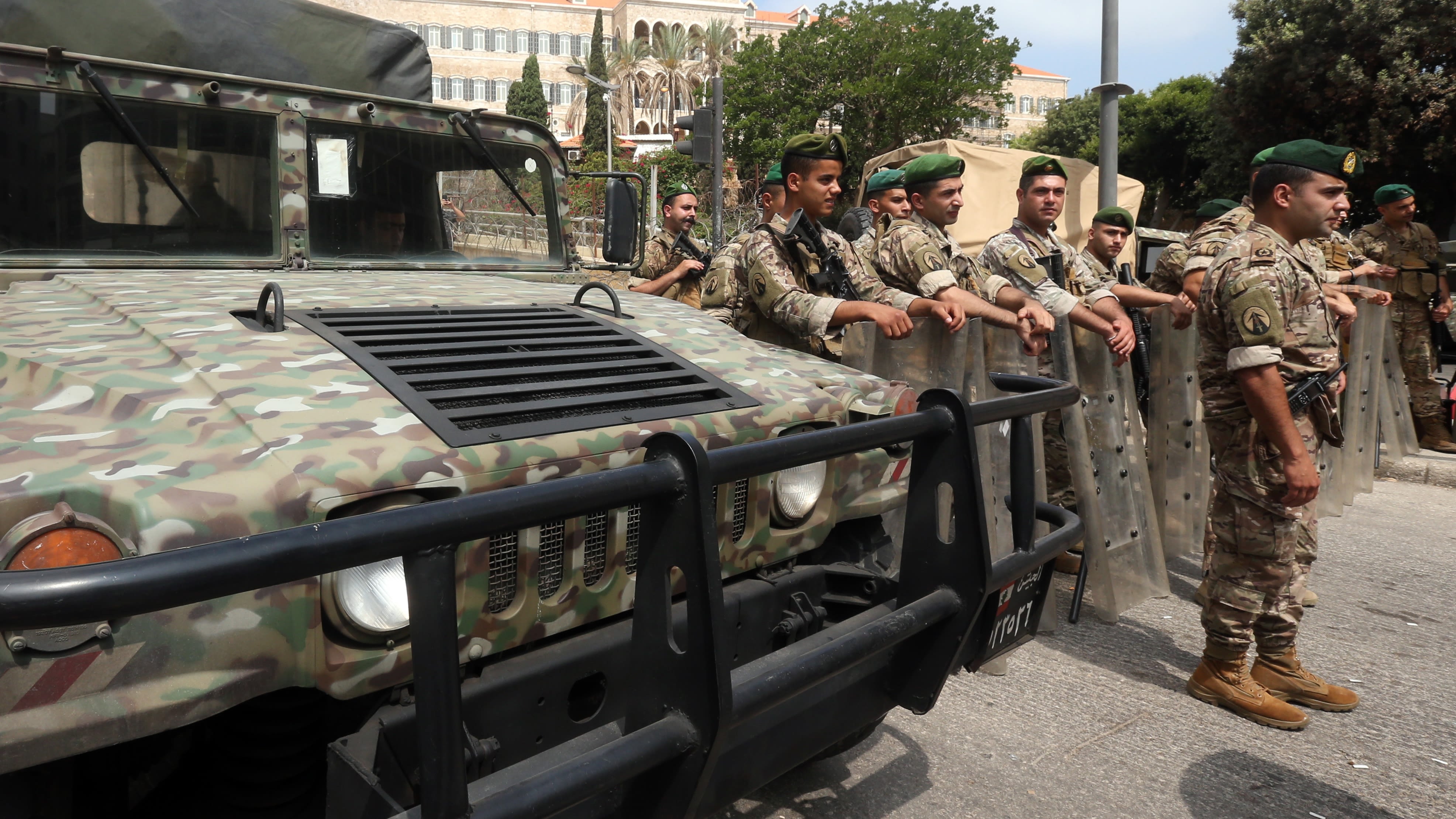
Lebanese soldiers outside the government headquarters in Beirut in June. EPA
Lebanese soldiers outside the government headquarters in Beirut in June. EPA
Now, the military faces another once-unthinkable mission: leading Hezbollah’s disarmament. In August, Lebanon’s cabinet voted to strip the party of its arsenal, despite fierce opposition from Hezbollah and its allies.
Under intense pressure from the US and regional powers, the government broke a decades-old taboo by declaring that all weapons must be placed under state control by the year’s end. Failure risks renewed war and the loss of reconstruction funds.
During a cabinet meeting in September, when the Lebanese army was to present its plan to disarm the group, all five Shiite cabinet ministers – four nominated by Hezbollah or its ally the Amal Movement – walked out.

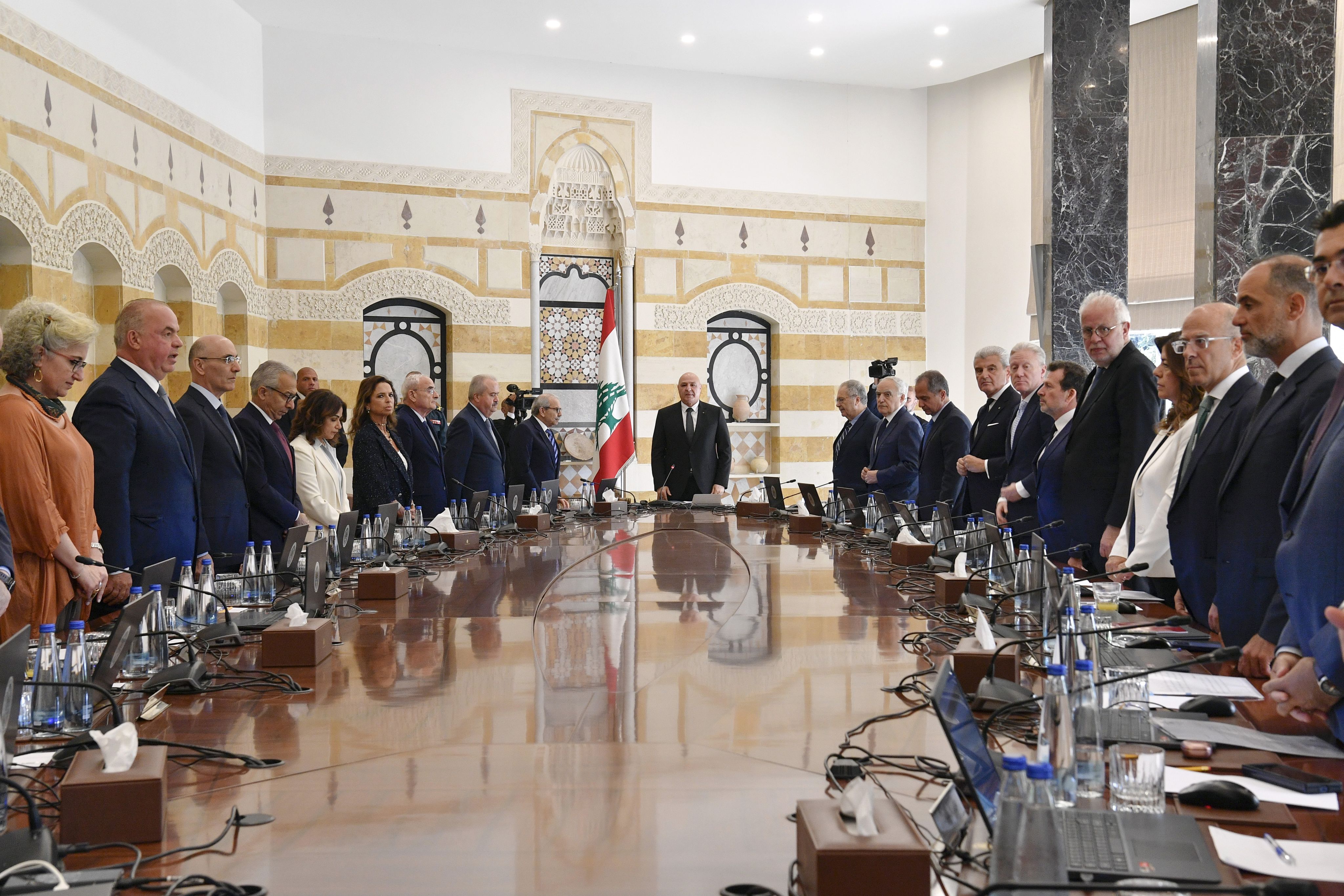
The Lebanese government meets to discuss the army's plan to disarm Hezbollah, on September 5. EPA
The Lebanese government meets to discuss the army's plan to disarm Hezbollah, on September 5. EPA
They are particularly angry at a US proposal approved by the Lebanese government and put forward by US envoy Tom Barrack that includes Hezbollah disarming and Israel withdrawing, but provides no guarantees for the latter.
The group, backed by Iran, accuses the government of bowing to American and Israeli demands. With Israel refusing to honour its side of the ceasefire, Hezbollah asks, why should they? And with an underfunded army struggling to secure even basic equipment, what would stop Israel from invading again – as it has repeatedly done throughout Lebanon’s history?
Some argue, however, that Lebanon has little choice. Since the ceasefire began, Israeli operations have killed at least 79 civilians, including 15 women and 10 children, without a single reported Israeli casualty.
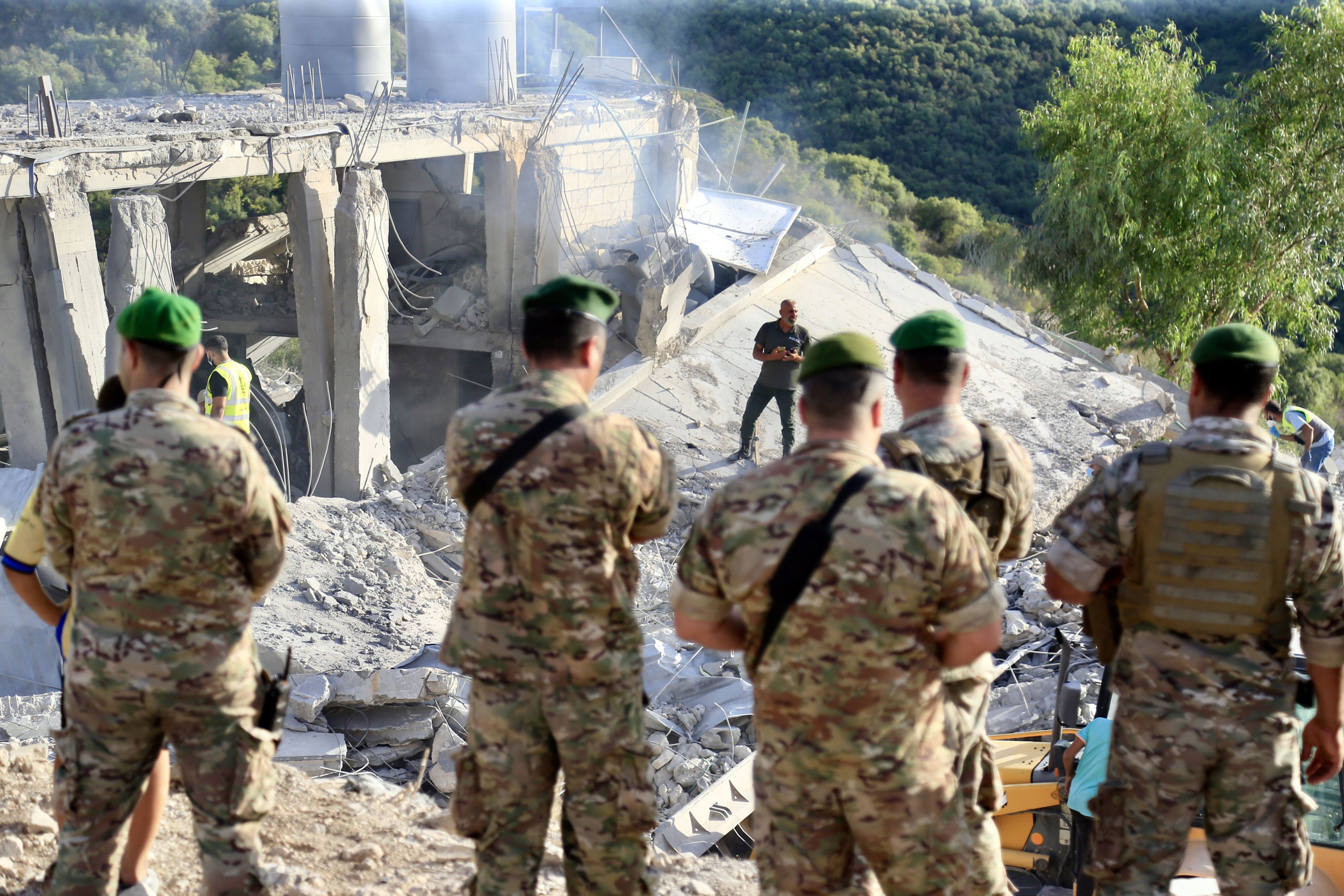
Lebanese soldiers at the site of an Israeli air strike in southern Lebanon in September. EPA
Lebanese soldiers at the site of an Israeli air strike in southern Lebanon in September. EPA
“There’s a plank in the ocean. It won’t save you, but you’re drowning and that’s all you have in front of you,” said Ali Mortada from Odaisseh, another border town reduced to rubble. “What are you going to do? You’re going to grab it and hold on for dear life.”
Lebanon now finds itself in a very precarious position. It is under pressure from all sides, with Israel ignoring its sovereignty, Hezbollah resisting disarmament and there are fears of disorder or worse if the wrong step is taken.
But Hezbollah is not the force it once was and, even if it was to hold on to its arms, there’s no guarantee it could protect the south from another Israeli invasion. The group has lost its grip on the south. Vast areas where its supporters lived lie in ruins, and the illusion of deterrence against Israel has been shattered. Even its finances appear to have suffered, and its grip over internal Lebanese affairs has loosened significantly.
Most of its leaders are now dead and much of its heavy arsenal was destroyed in a dramatic, rapid fall that was perhaps most infamously marked by the Israeli pager and walkie-talkie attacks that killed at least 37 people and injured thousands, including children and civilians, on September 17 and 18, 2024.

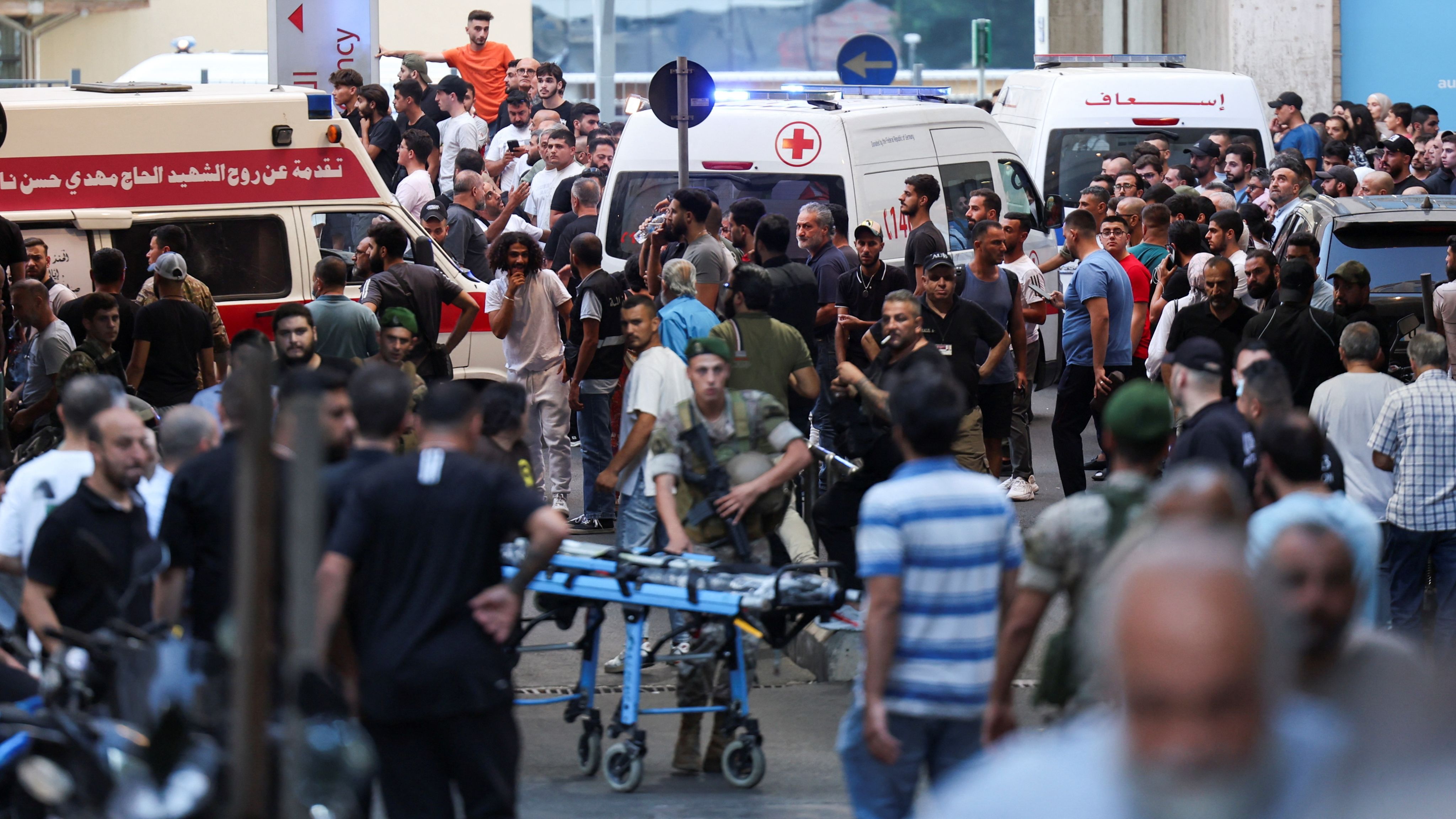
Ambulances arrive at a Beirut hospital after pagers and walkie-talkies rigged by Israel to explode killed Hezbollah members in September 2024. Reuters
Ambulances arrive at a Beirut hospital after pagers and walkie-talkies rigged by Israel to explode killed Hezbollah members in September 2024. Reuters
Mahdi Al Manaa, a 34-year-old former Hezbollah fighter, was among those injured in the attack while on duty in southern Lebanon. He says he was talking to a colleague when his pager exploded.
“I was still conscious and I could still hear [but] I couldn’t see," he told The National.
"The explosion left no skin around my eyes. [My left] eye was gone - it flew off in the explosion and got stuck to the wall. My face was blasted open.
"Within a few seconds, we realised that it was the pagers that exploded, something that I used every single day.”
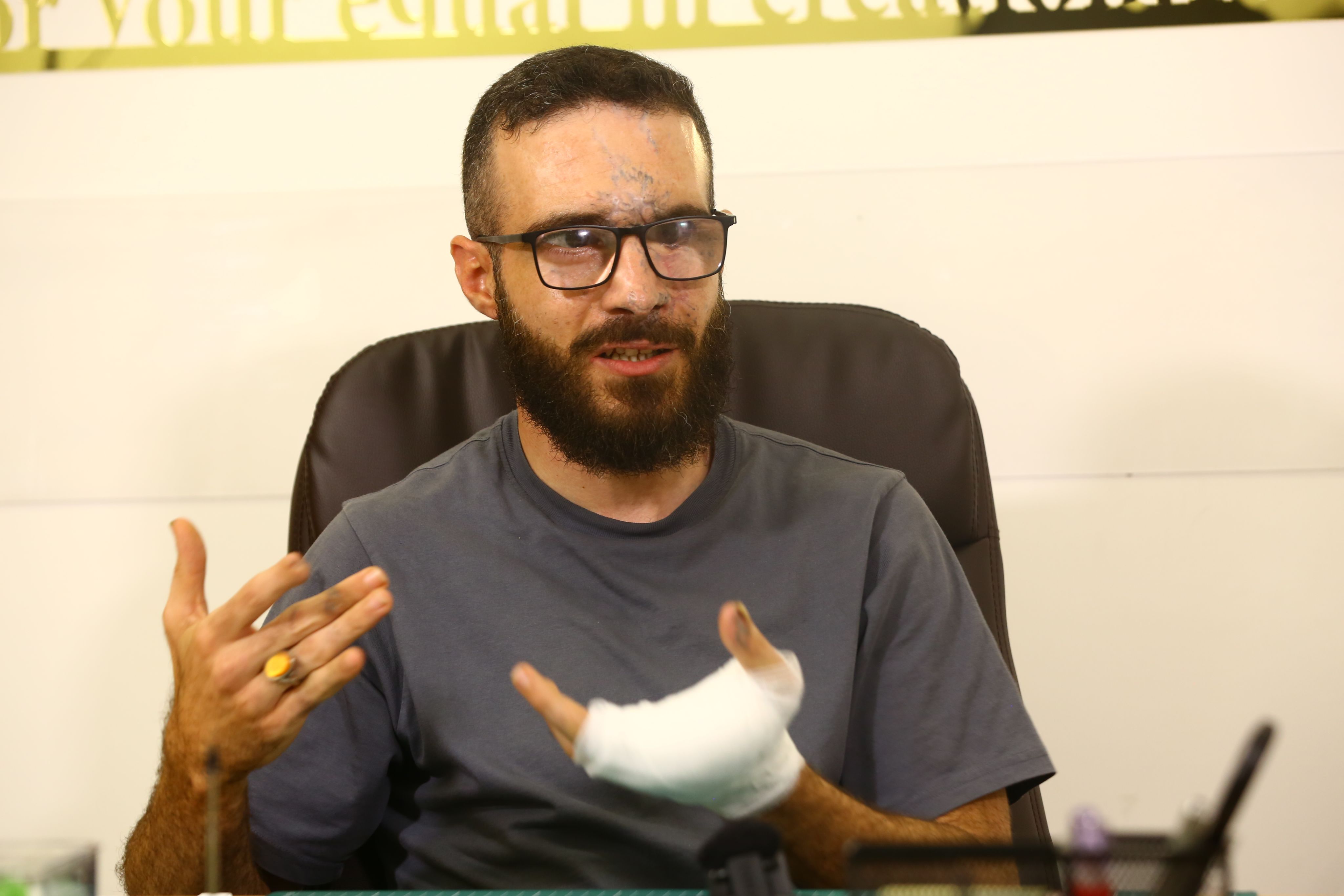
Mahdi Al Manaa was one of thousands of Hezbollah members injured in the September 17 pager attack by Israel. Mohamad Zanaty for The National
Mahdi Al Manaa was one of thousands of Hezbollah members injured in the September 17 pager attack by Israel. Mohamad Zanaty for The National
The day he lost an eye, his left index and middle fingers were blasted, and the tip of his right index finger was gone. He also suffered injuries to his chest and legs.
Today, his face bears scars and his mangled left hand is still bandaged. He is no longer a fighter but works as a civilian administrator - a mukhtar - in Tyre.
His story is emblematic of the weakening of Hezbollah, who about two years ago were arguably at their apogee. It was May 2023 and hundreds of elite Hezbollah fighters were, for the first time, conducting a military drill in public 12 miles from the border with Israel.
Out in the open air and visible to the ever-watching Israeli eyes, they paraded rockets, flew attack drones and simulated an operation that culminated in fighters storming across the pretend border, bombing enemy territory and ultimately tearing down an Israel flag to replace it with that of Hezbollah.
Hashem Safieddine, Hezbollah's de-facto No 2, head of its executive council and the anointed future successor to secretary general Hassan Nasrallah, his cousin, then strode proudly along to inspect the troops, kissing a gun and pressing it to his forehead.

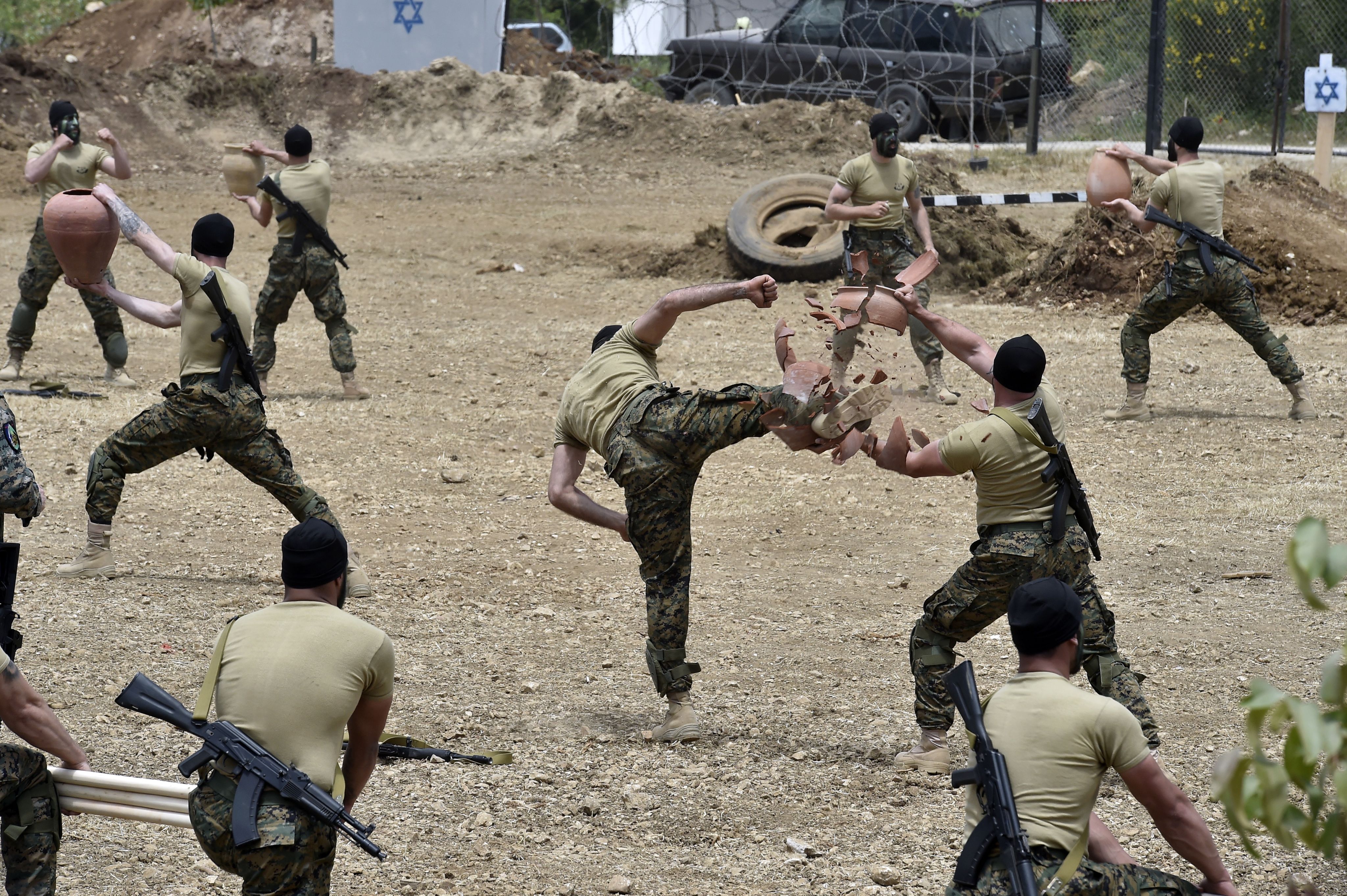
Hezbollah fighters perform training exercises as part of a military demonstration in Aramata, southern Lebanon, in May 2023. EPA
Hezbollah fighters perform training exercises as part of a military demonstration in Aramata, southern Lebanon, in May 2023. EPA
Hezbollah's spokesman Mohammed Afif beamed, declaring to those present, including The National, that it was the largest event of its kind that the group had held.
Now, all three men are dead, assassinated in a matter of weeks in September and November last year. It would be Israeli soldiers who would cross the border, not Hezbollah, and they continue to occupy Lebanese territory and threaten to move further.
Israeli drones and fighter jets remain a constant visual, physical and auditory presence above Lebanon, and the Israeli military remains encamped in positions in the south.
Few of the Hezbollah fighters from that day in May 2023 are likely to be alive. Israel continues to target those that survived in their villages even as they attempt to go on with civilian life - such is the extent of the intelligence breach.

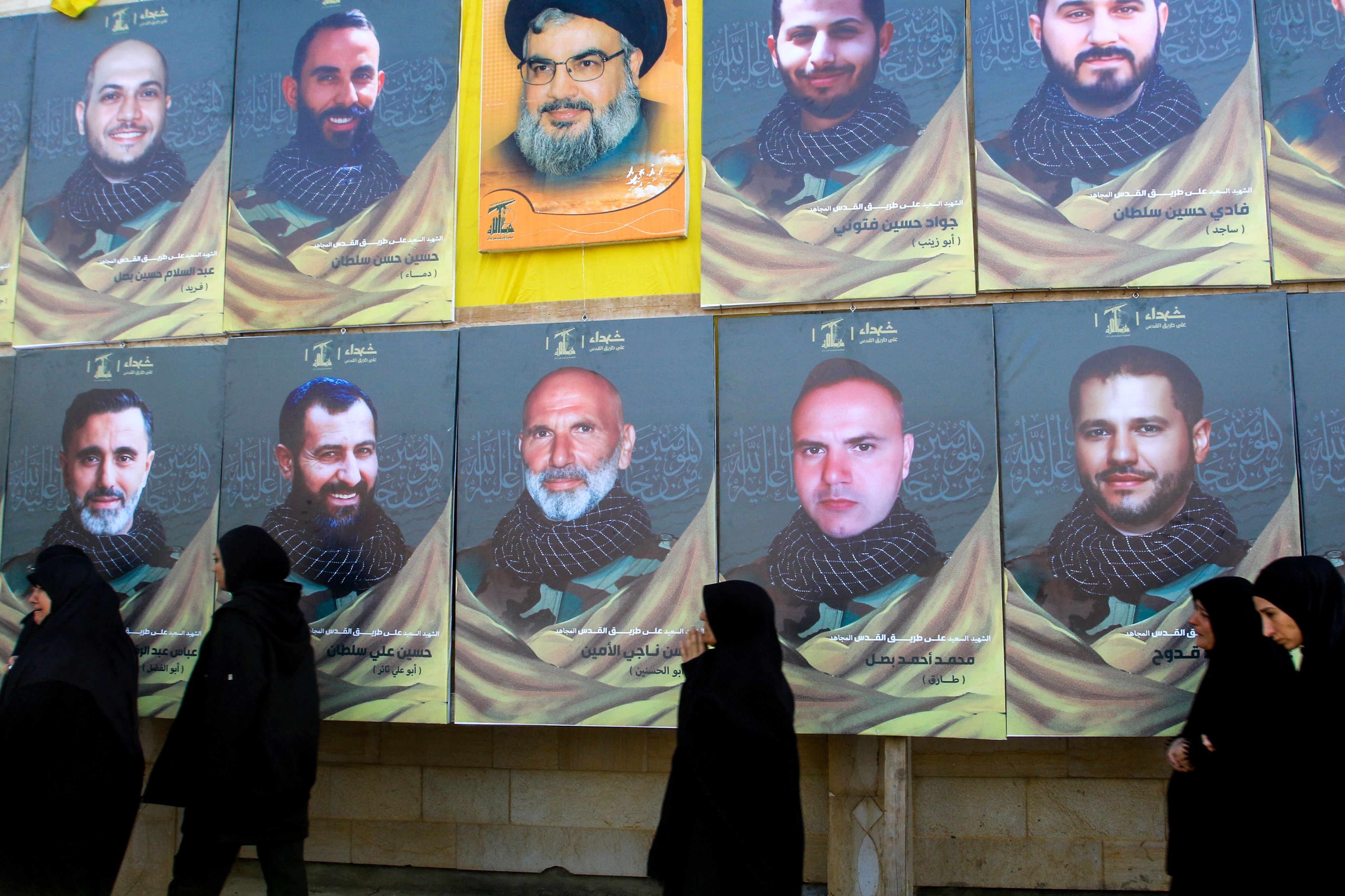
Mourners walk past posters of killed Hezbollah leaders at a funeral for a fighter in the southern Lebanese village of Souane in December 2024. AFP
Mourners walk past posters of killed Hezbollah leaders at a funeral for a fighter in the southern Lebanese village of Souane in December 2024. AFP
Hezbollah's main patron Iran is also in a difficult situation and its economy is weak, while the main weapons supply route through Syria was cut with the overthrow of the Assad regime.
For the first time since the end of the 1975-1990 Lebanese Civil War, the presidency of Lebanon is not held by Hezbollah's favoured choice. Former army commander Joseph Aoun was elected in January, ending a two-and-a-half-year vacuum and vowing to bring all weapons under state control. His government, led by Prime Minister Nawaf Salam, has pressed ahead with this.
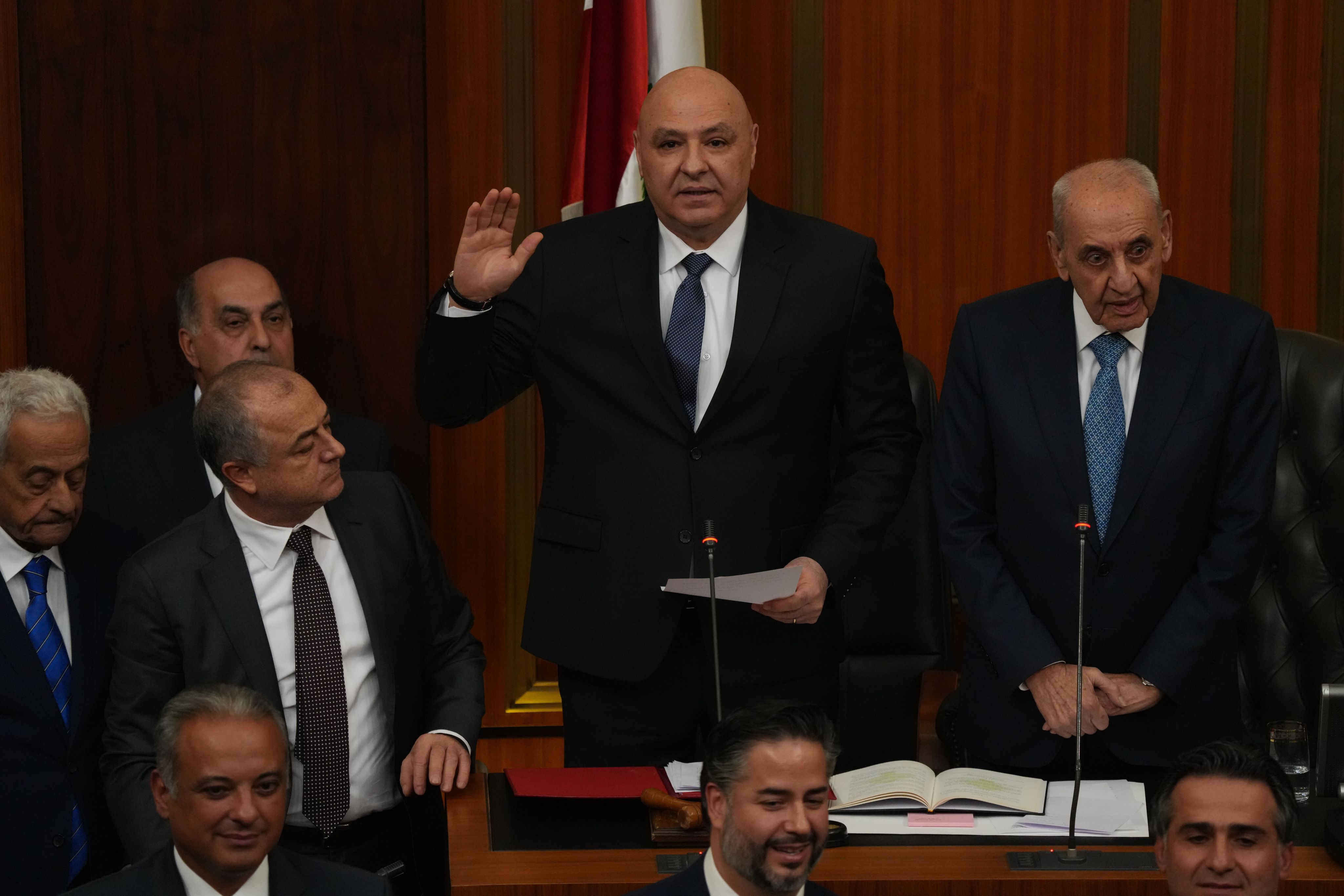
Joseph Aoun is sworn in as Lebanon's President on January 9. Reuters
Joseph Aoun is sworn in as Lebanon's President on January 9. Reuters
"The issue of weapons is major, because [it] determines the existence of a state," Justice Minister Adel Nassar tells The National from his office in downtown Beirut.
The government, including Mr Nassar, promises change, reform and a break from the past in a country engulfed in repeated crises in recent years. For the first time since 2000, in a clear hint at the path it would seek to take, the government dropped the term "armed resistance" from its ministerial pledge.
"A state is based on three components," says Mr Nassar. "A nation, a people, a population; a territory; and a monopoly of the strength between [in] the hands of the official authorities – and if you want to be in a state of law, under the control of them.
"If one of these components is missing, we don't have a full and complete state."
Yet even as the government outlines this vision, it concedes the “limitations” the army faces – logistical and practical, compounded by Israel’s refusal to withdraw from the south.
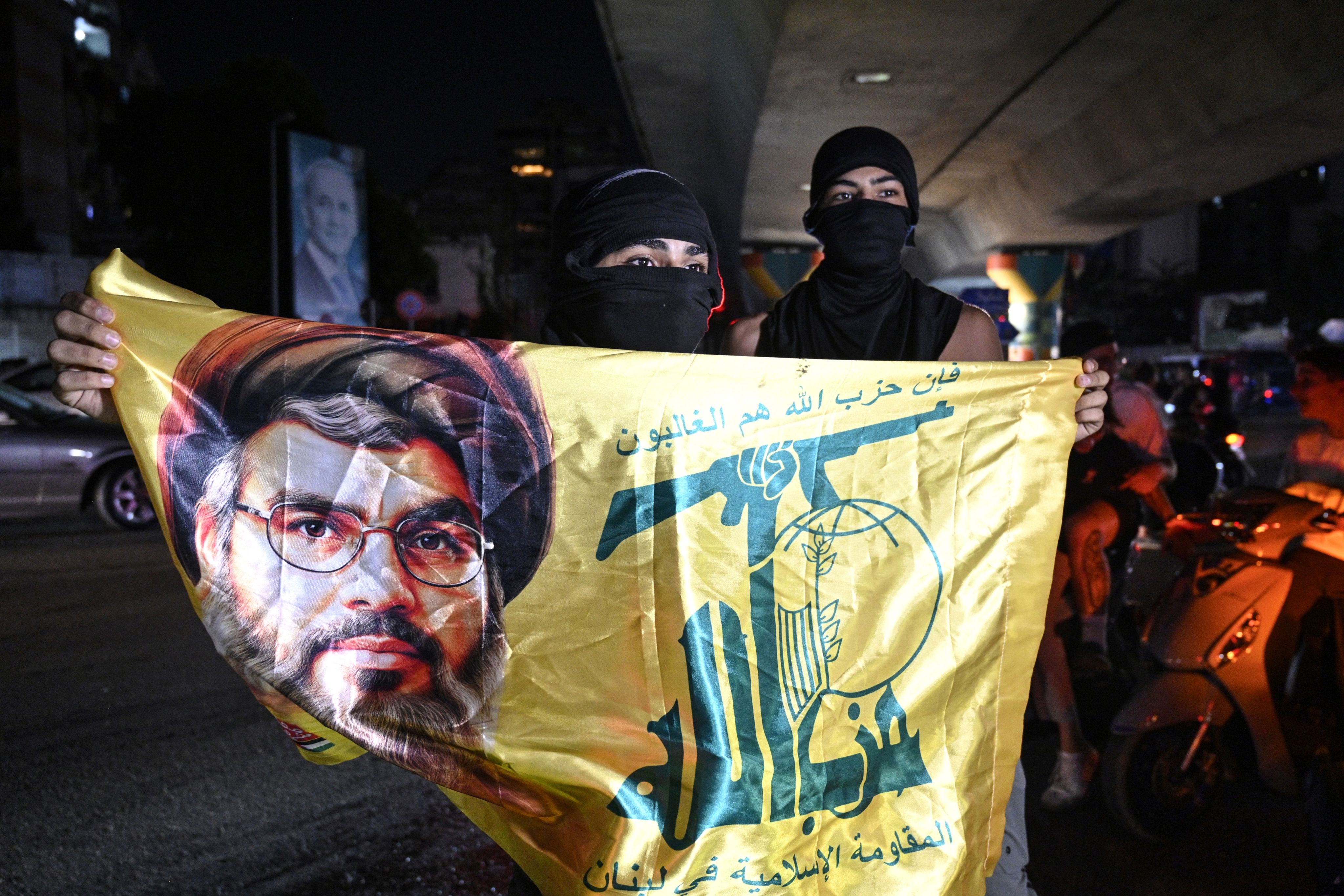
Hezbollah supporters protest against the government's plan to disarm the group after a cabinet meeting on September 5, in Beirut. EPA
Hezbollah supporters protest against the government's plan to disarm the group after a cabinet meeting on September 5, in Beirut. EPA
The process has not been easy and there is a long way to go. The Lebanese government proceeding with the disarmament plan is significantly hindered by Israel’s continued occupation and bombings.
All Lebanon can look to now is Israel saying it will carry out a phased withdrawal if the disarmament steps are carried out, but there are no guarantees and zero trust in the Israelis.
"Without guarantees and agreement and an Israeli commitment, in my opinion, Israel will get all the way to the Awali – not the Litani," says Youssef Zein, who is Mr Afif's successor as Hezbollah spokesman. He is referring to the Awali river, about 60km north of the Israeli border and 30km south of Beirut.

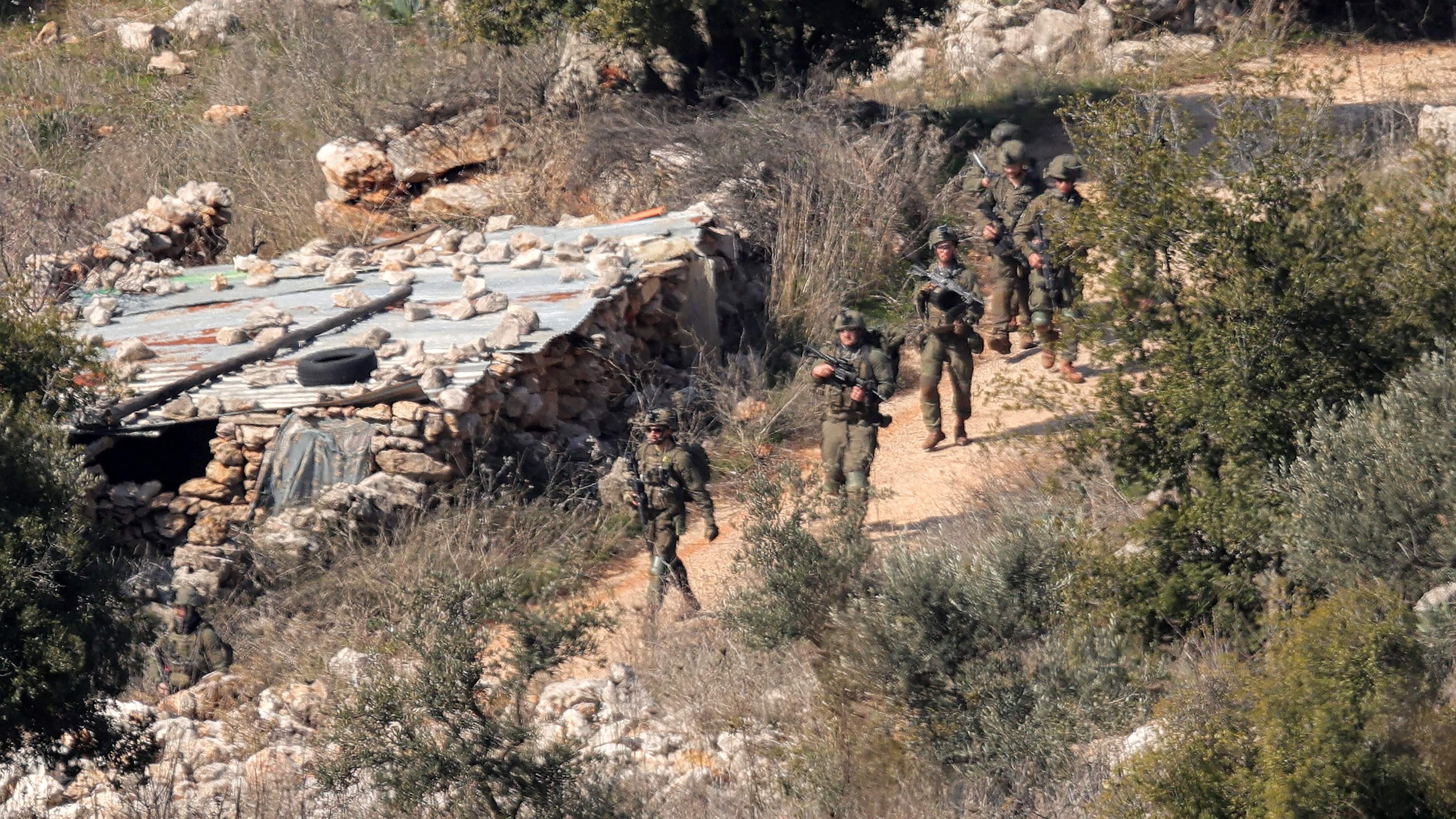
Israeli soldiers patrol in Kfarshouba in February 2025, after the army was set to withdraw from southern Lebanon. AFP
Israeli soldiers patrol in Kfarshouba in February 2025, after the army was set to withdraw from southern Lebanon. AFP
Mr Zein is speaking to The National from the heart of Beirut's southern suburbs, which are thriving but still bear the physical scars of last year's war. It was in this densely populated, sprawling area adorned with Hezbollah insignia that Mr Nasrallah, Mr Safiedienne and most of the top commanders were assassinated in Israeli air strikes last year.
"The US rhetoric towards Lebanon always has underlying threats," Mr Zein said. "They want disarmament without promises that Israel will stop its attacks or withdraw from Lebanese territory. [Tom] Barrack's proposal is essentially an Israeli proposal because it's completely based on Israeli demands."
What could happen next?
It is impossible to predict what the future holds for Lebanon, particularly the southern half, but one thing for certain is that Hezbollah's support base remains strongly attached to it.
While even some of its most fervent supporters will accept it came off badly in its most recent war with Israel, they will also point to other times when it "won" – for example in 2000, when Israel withdrew from south Lebanon under a flurry of Hezbollah attacks.

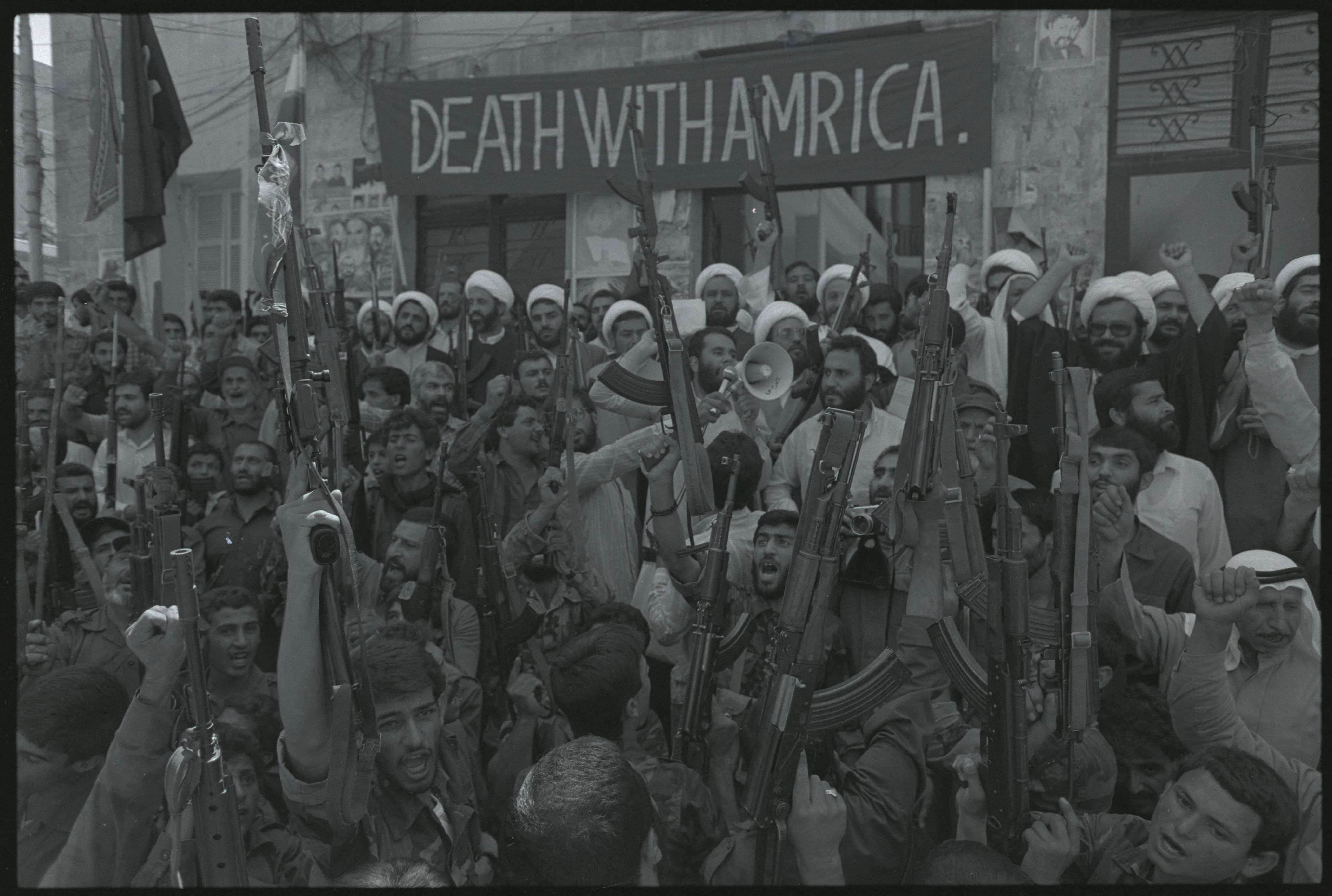
Hezbollah at a rally in Baalbek in July 1987, five years after its formation. Reuters
Hezbollah at a rally in Baalbek in July 1987, five years after its formation. Reuters
And ultimately, when Israel has a history of invading and occupying Lebanon and with the army still building its strength, Hezbollah's supporters ask: What stops its biggest enemy from doing it again without the group's weapons?
Back in Houla, Mr Koteish tells the story of his father, a farmer.
"In 1972, while he was farming in the same spot of land where I built my house, the Israeli commandos came down," he said. It was only 150 metres from a Lebanese army checkpoint.
"They took my father, shot him with 60 bullets and threw him to the ground. The Lebanese army was sitting there watching. After my father was martyred, a Lebanese army officer came down to tell us what happened. So what army?"
Even if Hezbollah hands over its weapons, he argues, Israel had wreaked havoc on Lebanon before the group even existed. Given the widespread evidence of how Israel conducts its operations, in Lebanon and elsewhere, the conditions that led to the emergence of groups opposing it would still exist.
The problem, according to retired Lebanese general Mounir Shehadeh, is that Israel has shown no intention of meeting some of Hezbollah's demands in exchange for discussions over its weapons.

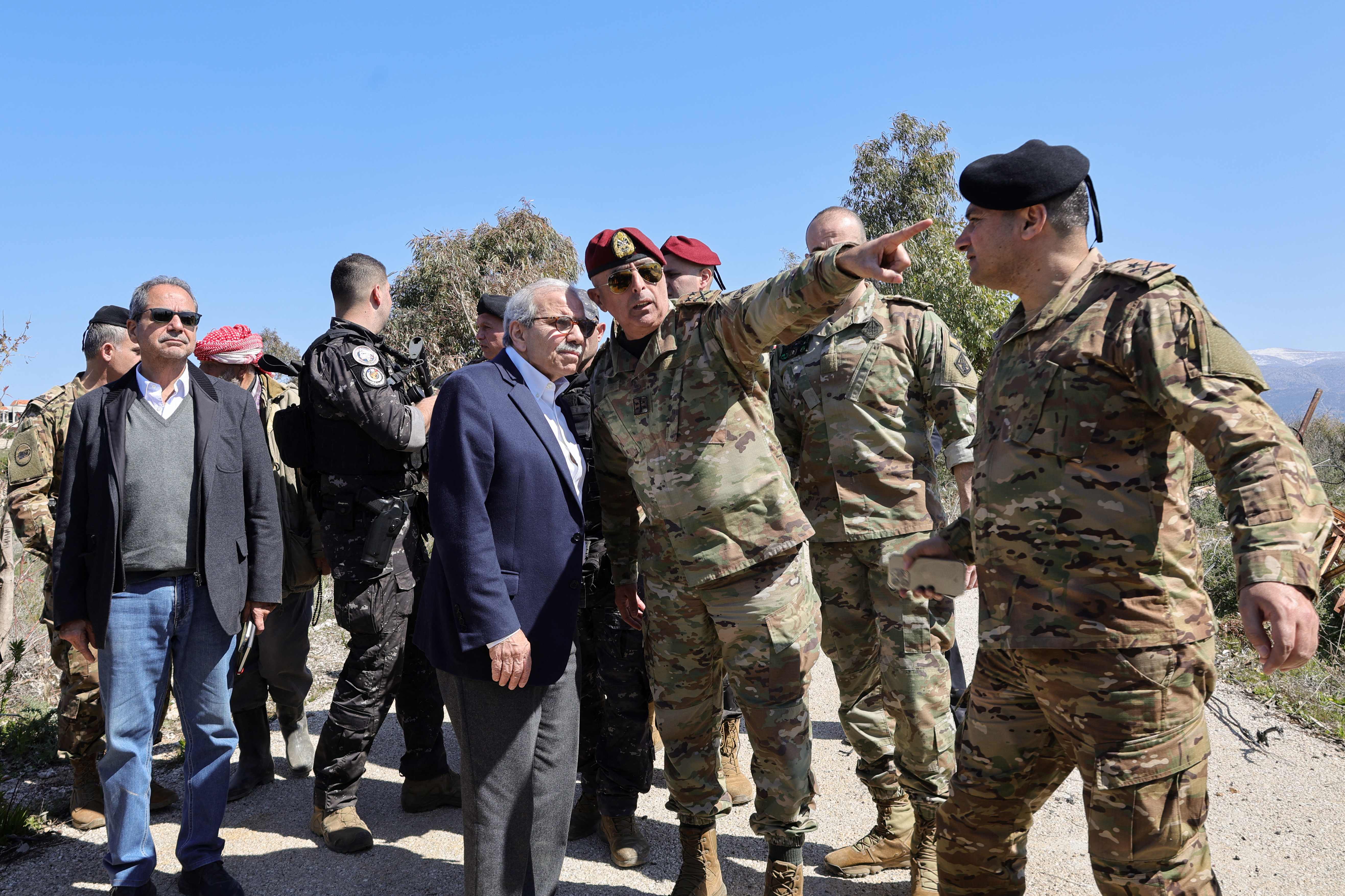
A Lebanese army officer shows Prime Minister Nawaf Salam an illegal Israeli military position in Khiam, south Lebanon, in February. AFP
A Lebanese army officer shows Prime Minister Nawaf Salam an illegal Israeli military position in Khiam, south Lebanon, in February. AFP
The former Lebanese army officer responsible for co-ordinating between the government and Unifil retains extensive links within the military, and his job involved working in areas with a strong Hezbollah presence.
Israel, he tells The National, is only interested in neighbouring armies such as the Lebanese having the capabilities of "traffic cops".
“Hezbollah is not only prepared, but is convinced that the only way forward for Lebanon is to give up their weapons to the Lebanese state. But [also] for the Lebanese state to have the weapons [and] for the border to have self-defence capabilities, not for Israel to completely destroy the weapons and wipe out any defence for Lebanon," he says.
"Their condition is that Israel has to withdraw, stop its attacks, give back the prisoners, etc. Those are real conditions for Hezbollah, it is really genuine. But Israel isn’t playing ball."

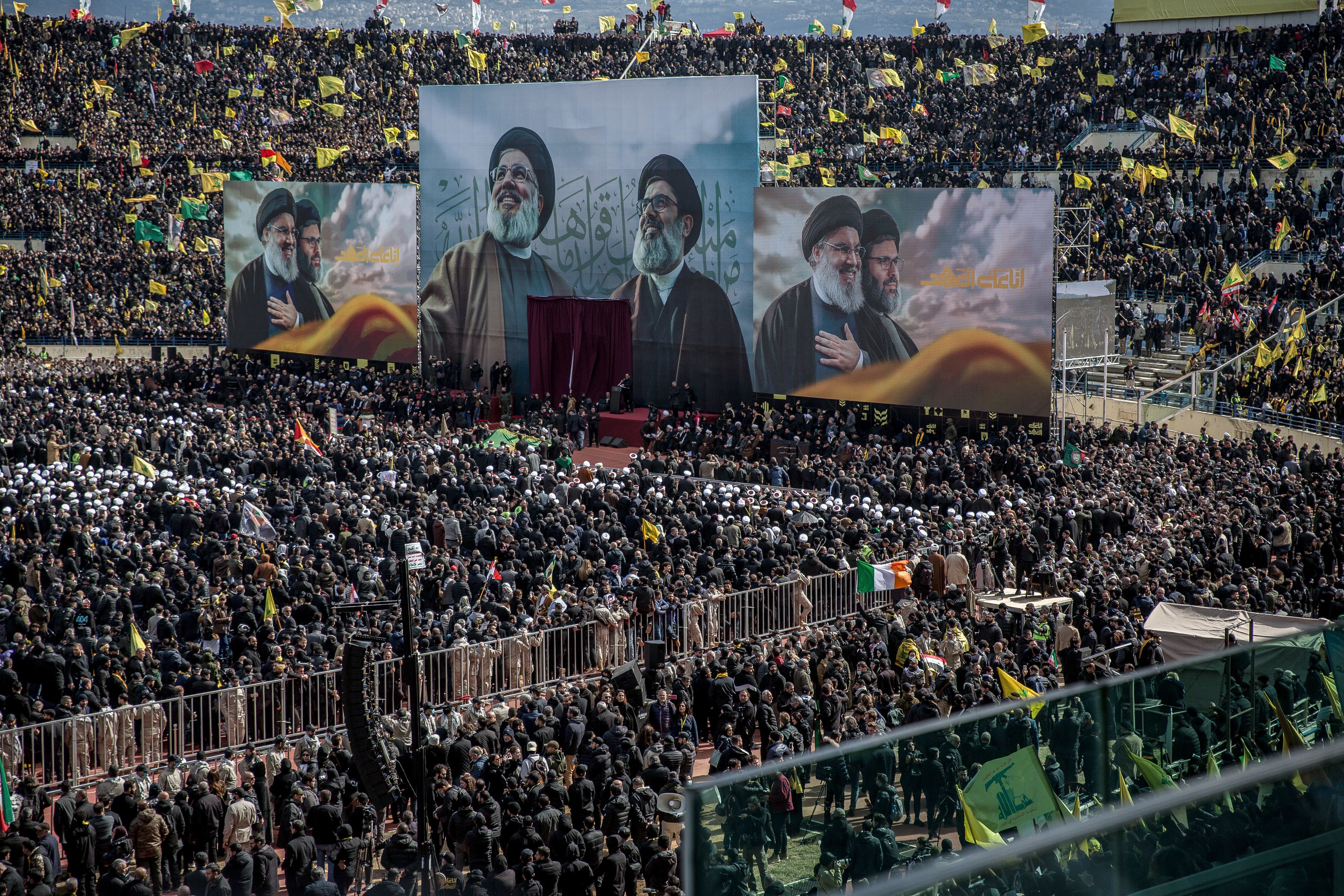
Thousands of mourners attend the funeral of Hassan Nasrallah and Hashem Safieddine in Beirut in February. Getty Images
Thousands of mourners attend the funeral of Hassan Nasrallah and Hashem Safieddine in Beirut in February. Getty Images
It is for those reasons that Mr Shehadeh believes it is impossible that Hezbollah would give up its weapons in the current conditions.
“What would happen if a patrol was ordered to close down a weapons depot and the people stand in front it. What would [the Lebanese army] do?" he asks.
“The Lebanese army consists of the Lebanese people, and Hezbollah also comprises the people. People in the [Lebanese army] have relatives in Hezbollah and vice-versa.”
It is also unclear what will happen to demobilised Hezbollah fighters, partly because of the sectarian balance that must be kept in all state institutions.
“You can’t have 70,000 Shia in the army. It would have to be a sectarian balance," Mr Shehadeh says.
More than a militia
Hezbollah is more than just an armed group, however, and its political arm has 12 members of parliament. Two cabinet ministers in the government were nominated by it. Even Hezbollah's most strident critics acknowledge it as a vital representative of the Shiite political sect, even as they repeatedly demand that its military arm disarms.
Municipal elections earlier this year were seen as an important marker for the group's immediate political future. In some of its traditional areas, the strength of support was so high that many opposition candidates did not bother running.
Hezbollah also provides social services, including subsidised health care through hospitals and clinics, as well as operating financial institutions, educational programmes and organisations such as its popular scout movements.

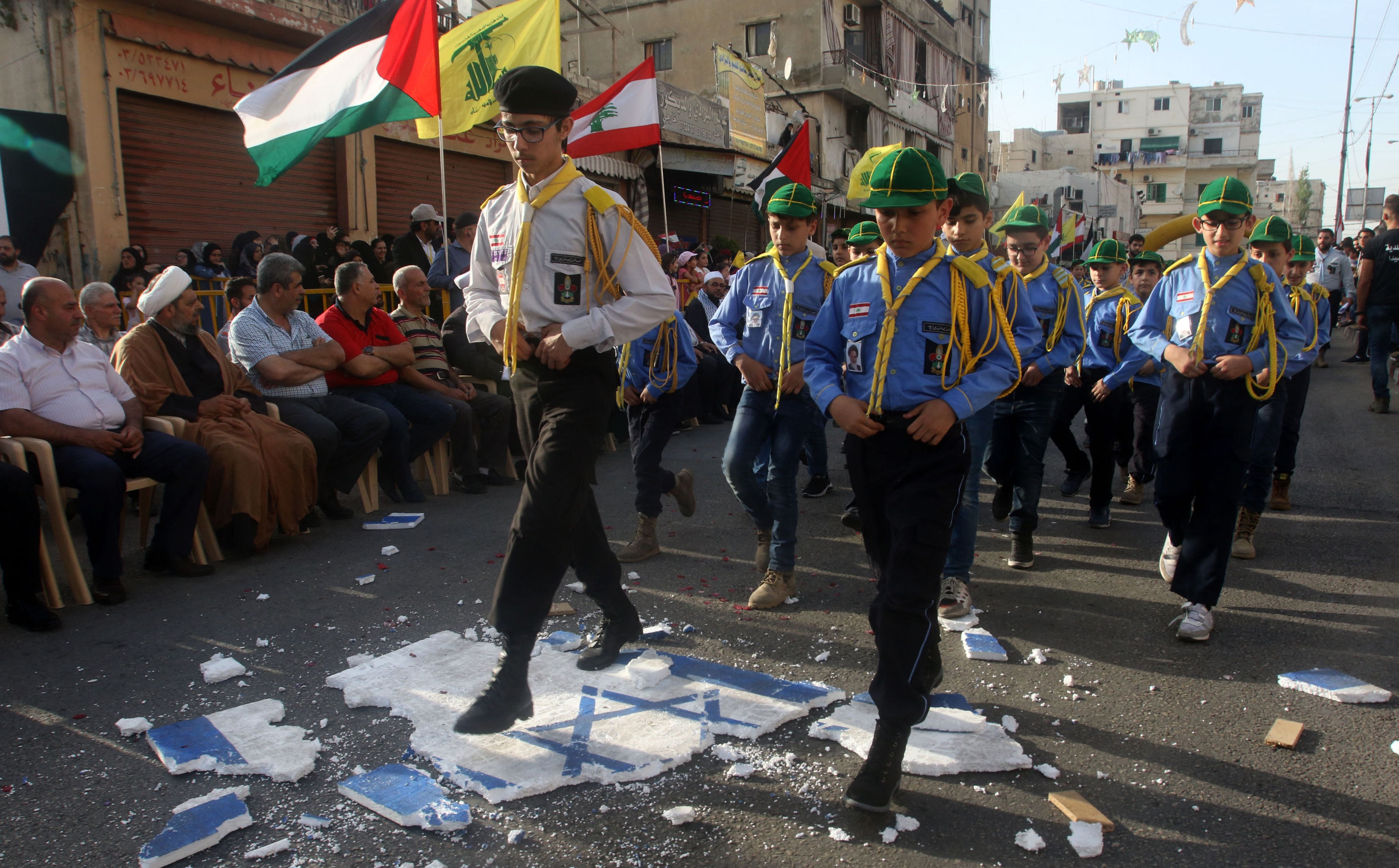
Members of Hezbollah's youth movement step on an Israeli flag during a rally on Jerusalem Day in southern Lebanon in May 2019. AFP
Members of Hezbollah's youth movement step on an Israeli flag during a rally on Jerusalem Day in southern Lebanon in May 2019. AFP
But these have also encountered challenges and there are signs the group is facing financial difficulties. Ambulances and paramedics working for organisations funded by Hezbollah were attacked during the war, as was Al Qard Al Hasan, the financial institution supported by the group.
Lebanon’s banks were banned from dealing with financial networks linked to Hezbollah in a recent circular. It was through Al Qard Al Hasan that people whose homes were damaged or lost during the war could cash cheques from Hezbollah – aid that was largely funded by Iran.

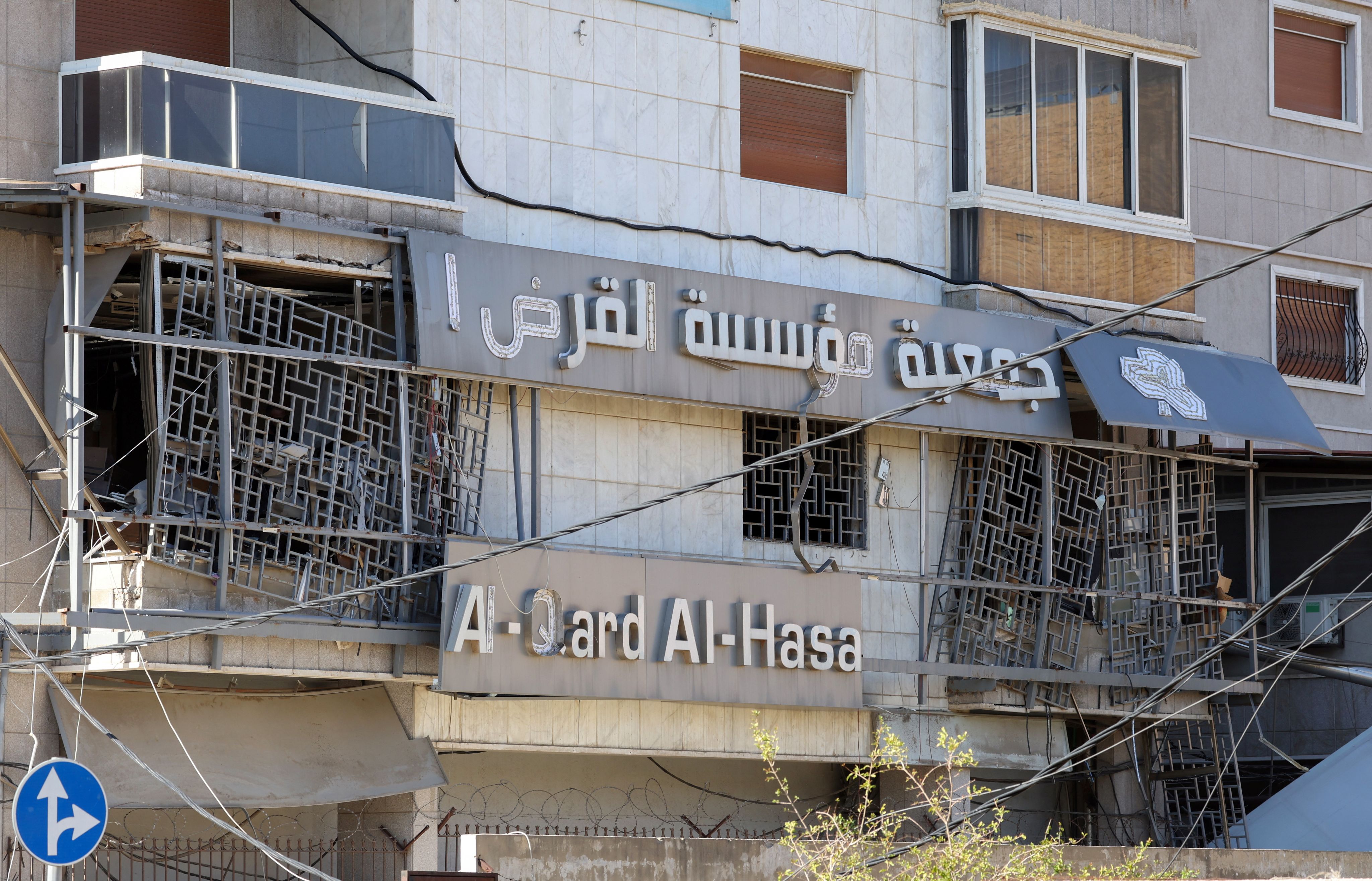
A branch of Al Qard Al Hasan in Beirut damaged by an Israeli air strike in October 2024. Reuters
A branch of Al Qard Al Hasan in Beirut damaged by an Israeli air strike in October 2024. Reuters
At the end of 2024, Hezbollah introduced an aid package of up to $14,000 per affected household to cover rent for one year from the start of the ceasefire, as well as damaged possessions.
Payments have generally been successful, especially for those who lost their homes entirely. But some said it was not enough to cover all the damage, and wondered what would happen at the end of the year.
The payments stopped after a few months, someone in Houla close to Hezbollah tells The National. “Hezbollah’s liquidity is all dried up,” they add.
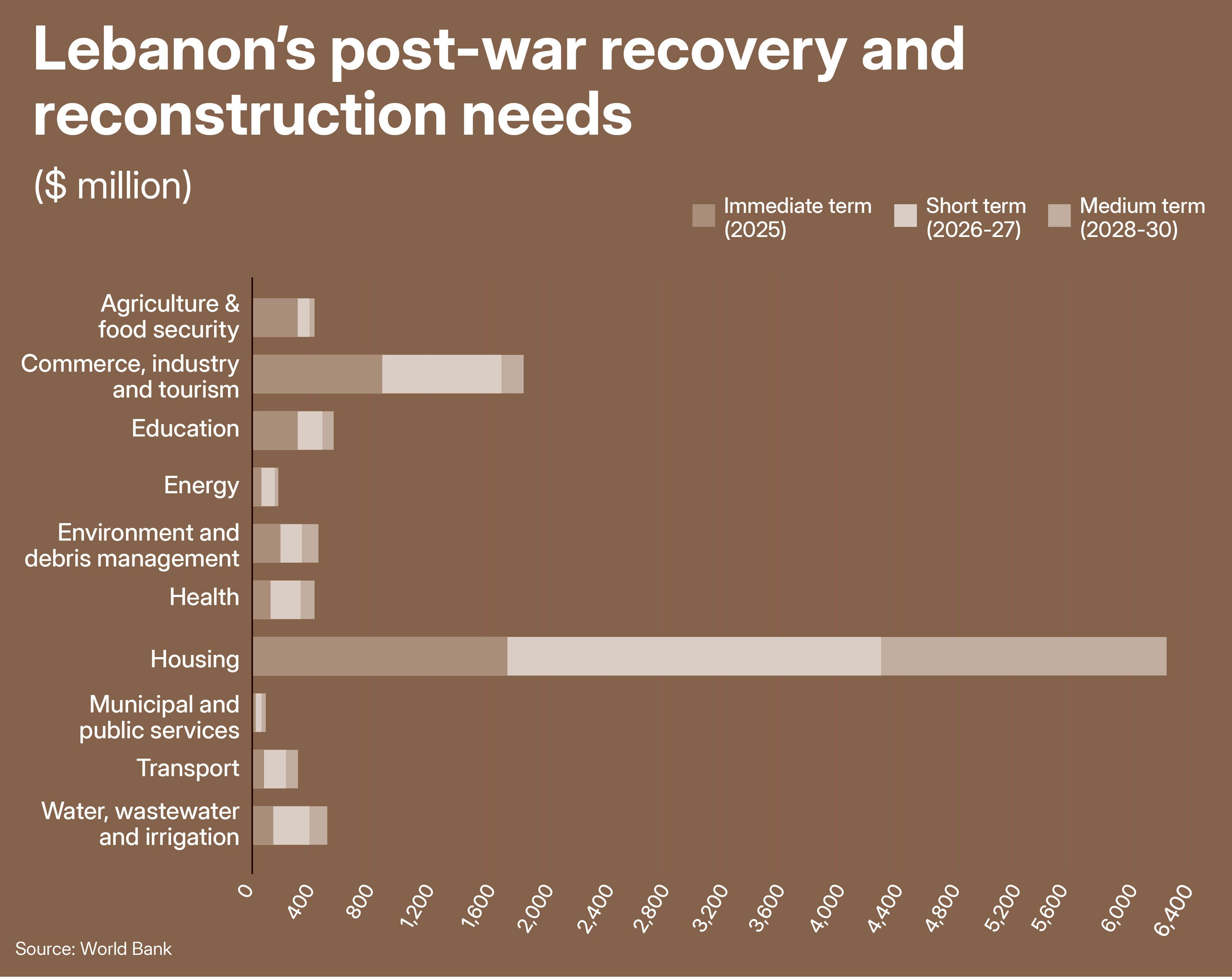
The World Bank this year estimated the economic cost of Israel's war on Lebanon to be $14 billion, including $6.8 billion in damage to physical infrastructure.
About $4.6 billion of the damage costs were to the housing sector – with around 100,000 homes partially or fully damaged, the World Bank said. Almost all of these are in areas where Hezbollah can typically count on its largest support base.

One resident of Dahieh, whose home was partially damaged, has had a $3,000 cheque cashed through Al Qard Al Hasan to pay six months of rent, but not the second tranche.
A relative whose home was destroyed in south Lebanon has had their full payment.
"The problem is what happens at the end of the year. Who will pay and what will happen?" they ask, aware that the payments were only intended to cover a year's rent.
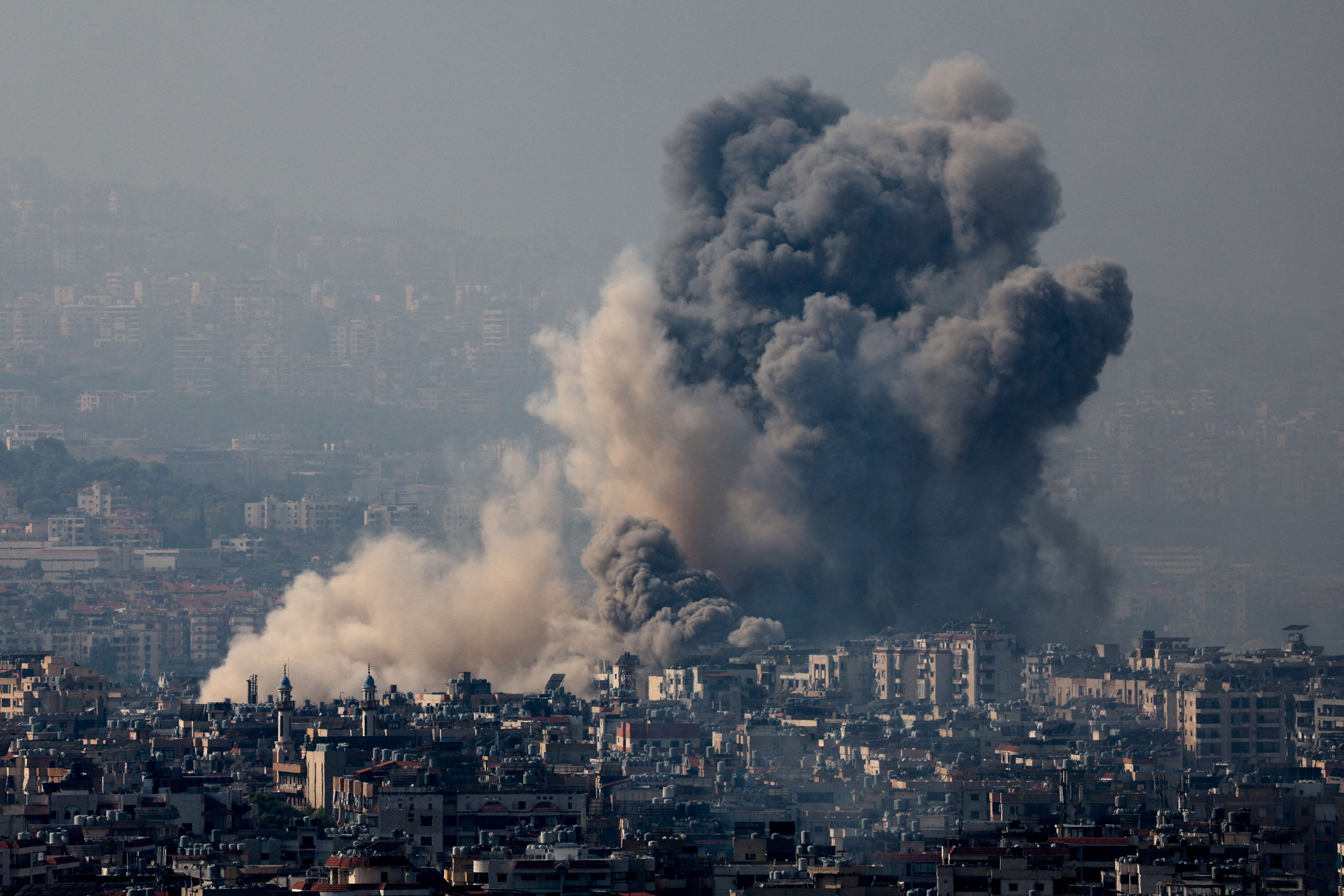
Smoke rises over Dahieh after Israeli strikes on Beirut's southern suburbs in October 2024. Reuters
Smoke rises over Dahieh after Israeli strikes on Beirut's southern suburbs in October 2024. Reuters
In the southern city of Tyre, a resident of the suburb of Hosh also raised problems. "When they were doing it for the people in our neighbourhood, including my house, they offered us a cheque for barely anything. It didn't even cover all the costs, but it is all that they could do. We refused to take the money anyway."
These packages are not intended to cover reconstruction costs. Hezbollah says this duty should lie with the government.
"The state has not taken responsibility as it should and the nations which are pressuring us have until now not given Lebanon any kind of assistance," Hezbollah spokesman Mr Zein tells The National.
"People don’t trust the state, which is not providing anything for its people [in the south]."
"It was requested from the Prime Minister $37 million for structural restoration in [Beirut's southern suburbs] that would send 7,000 families to their homes ... but there were ministerial excuses and so on," he says.

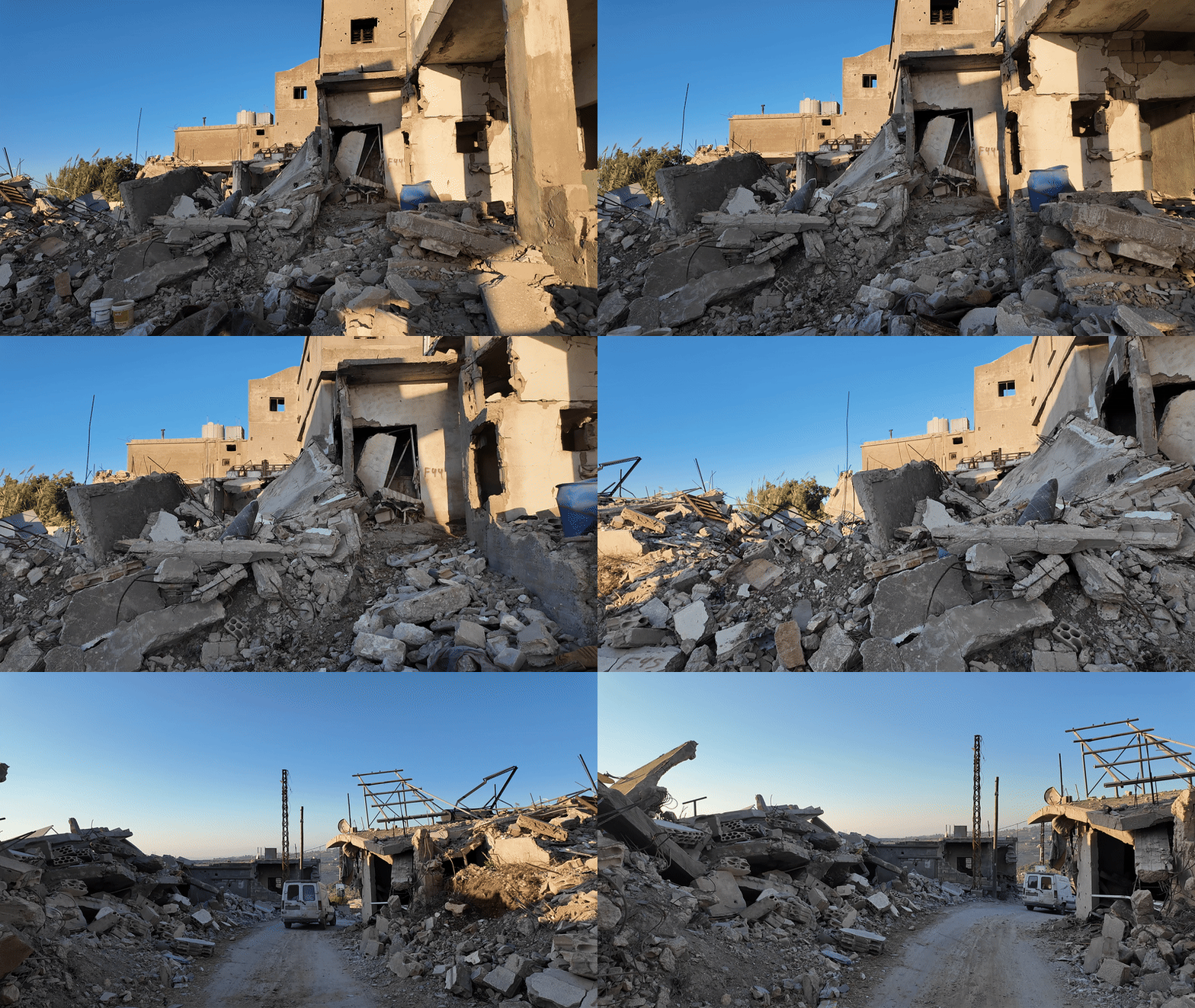
Life in Houla, caught in the middle
Today, the residents in the south are trying to get on with life as best they can.
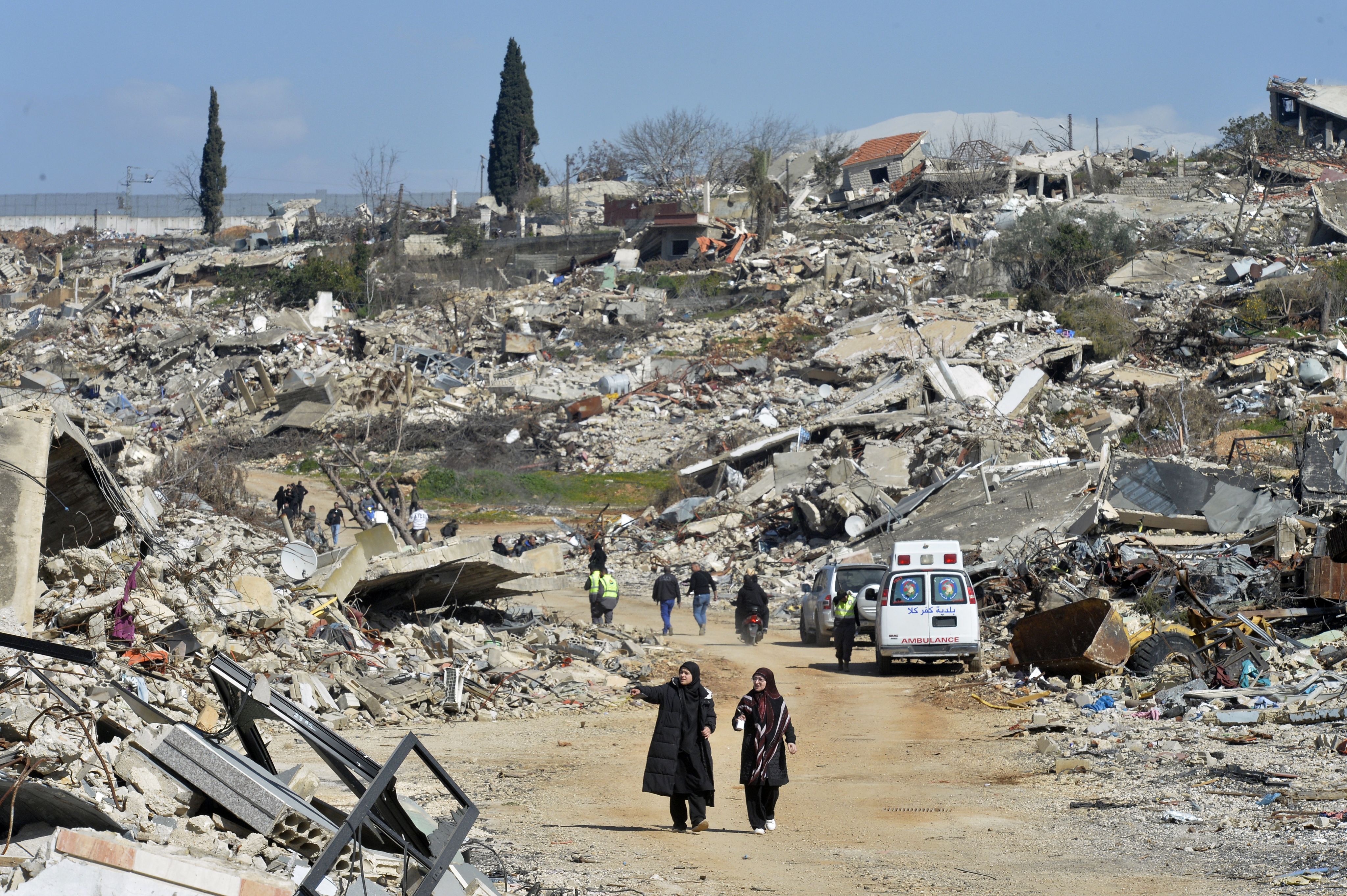
People return to Kfar Kila after Israel withdrew from parts of Lebanon in February 2025 but remain stationed in five areas. EPA
People return to Kfar Kila after Israel withdrew from parts of Lebanon in February 2025 but remain stationed in five areas. EPA
Those in Houla are conscious of how isolated they are and their proximity to the illegal Israeli outpost that has made a third of their village inaccessible to them. Only around 800 of the original 12,000 residents have returned, according to the mayor.
Without proper funding and full autonomy over the south, Mr Koteish questions who can protect the people now, given the limitations of the army.
"We’ve always had an army and the entire time the Israeli [army] could get all the way up to Jouaiyya and Kfar Kila and assassinate whoever they wanted to. All of this is in front of the [Lebanese] army. What could the army do back then and what can it do now?"
But when Hezbollah was armed to the teeth, after expelling the Israelis in 2000, “we were strong and able to stand in their faces”, he said.
"With all my respect to the Lebanese army, it has equipment that breaks down on the side of the road [and] doesn’t own missiles. How are they going to protect us? With their phones and their binoculars?"
Mr Koteish points to the spot in the road where he and his cousin, who was able to escape, were shot in February. On top of the rubble of a destroyed home is a memorial bearing the image of 14-year-old Khadija Attoue, who the Israelis also shot when her family returned to Houla.
She lay on the ground, bleeding out overnight because the Israeli army prevented emergency services from reaching her. Her family could only recover her body the following evening.

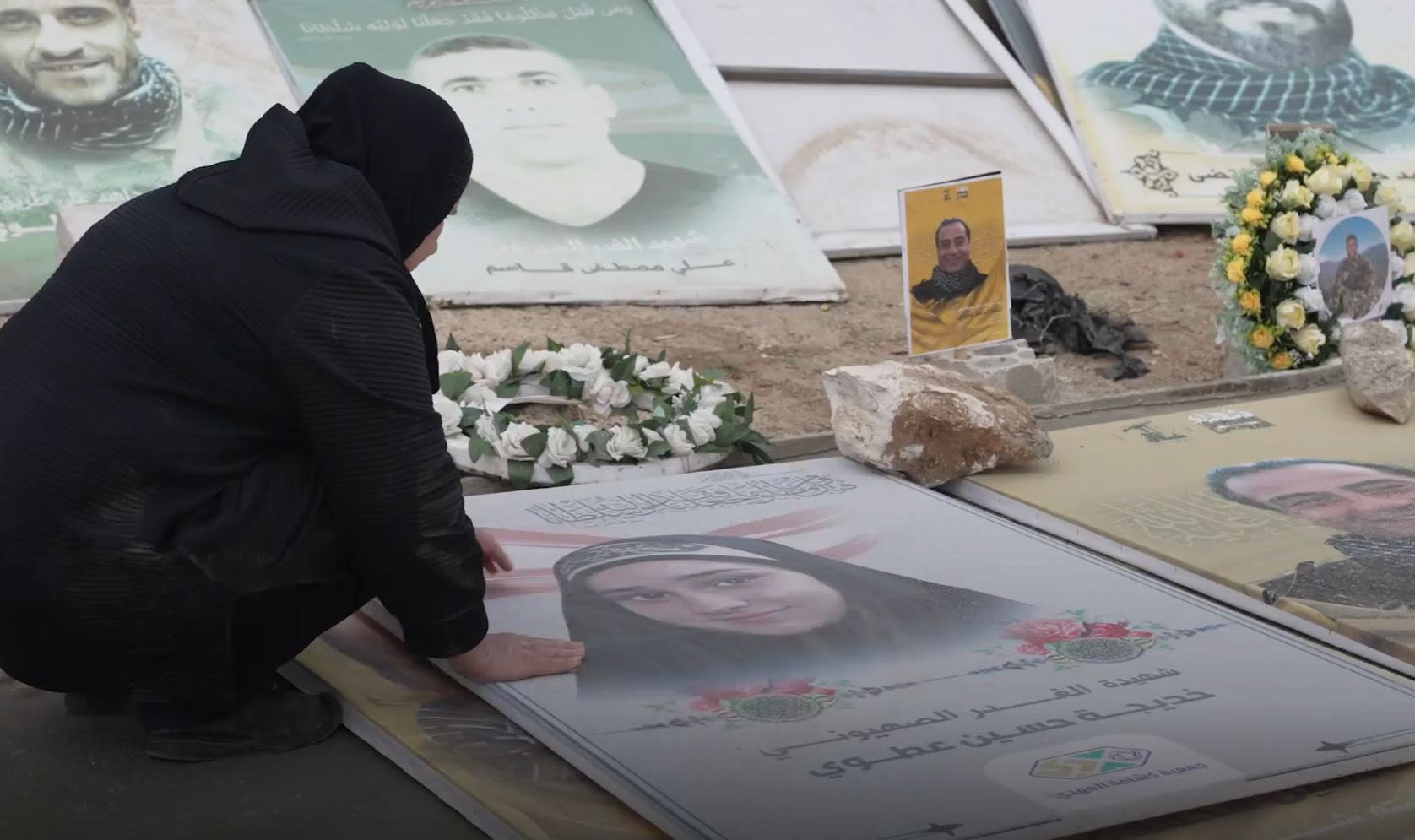
Khadija Attoue's mother, Haifa Atwi, visits a memorial in Houla to residents killed during the war with Israel, including her daughter. The National
Khadija Attoue's mother, Haifa Atwi, visits a memorial in Houla to residents killed during the war with Israel, including her daughter. The National
“We wish there would be sovereignty in Lebanon,” says Mr Koteish. "All we want is sovereignty. But is there anything to guarantee that our sovereignty won't be breached by the Israelis?
"Even the Americans didn’t give any guarantees to the politicians that in exchange for disarming, we can guarantee that the Israelis won't reach your territory."
Israel has carried out attacks on southern Lebanon since its establishment. In the autumn of 1948, a brigade from the recently created army crossed into Houla with little resistance. Dozens of men were rounded up and killed.

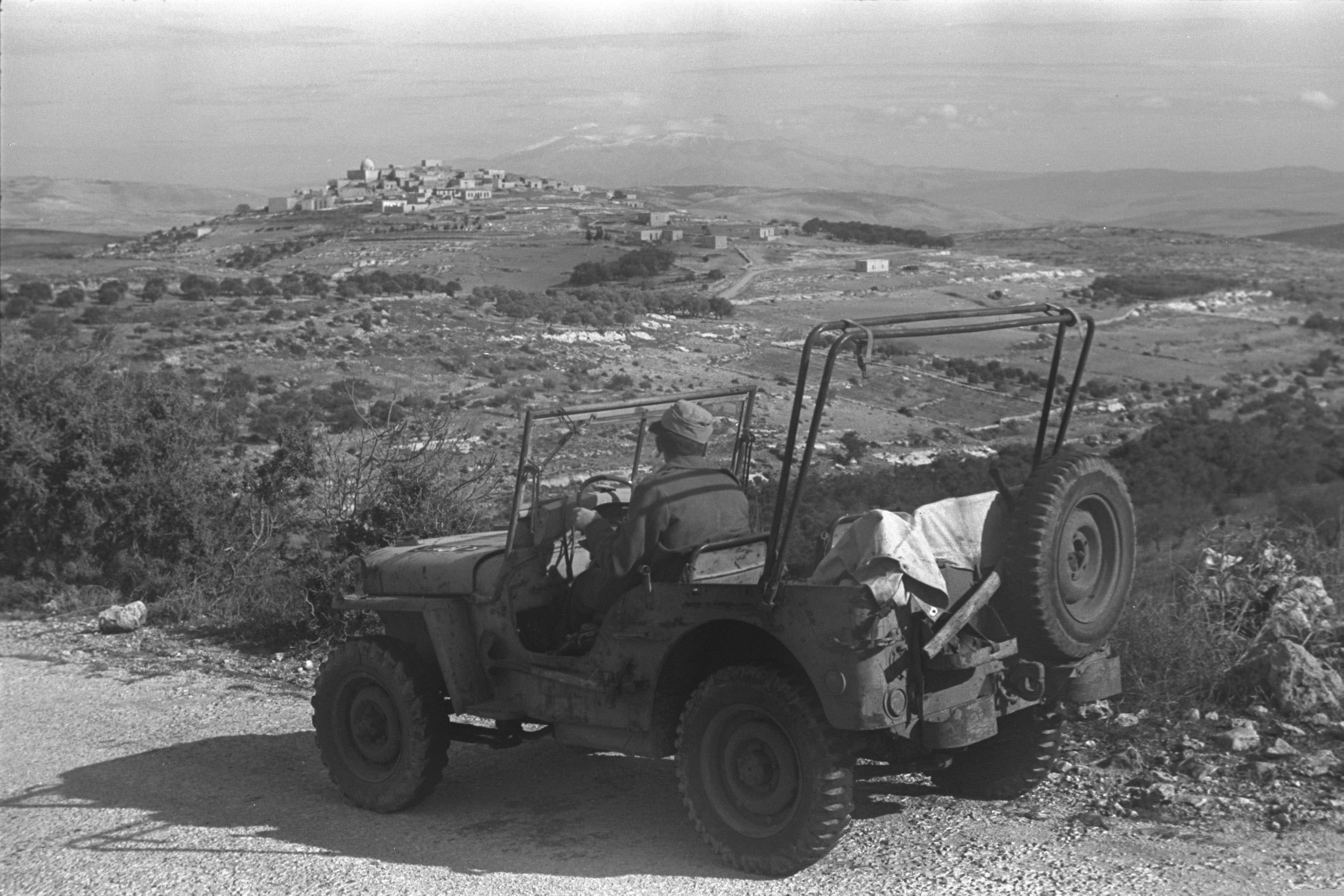
An Israeli soldier patrols the border near southern Lebanon in 1948. Getty Images
An Israeli soldier patrols the border near southern Lebanon in 1948. Getty Images
When the Israelis invaded Lebanon again in 1982, this time on the pretext of eliminating Palestinian guerrillas but in a move that would ultimately lead to the creation of Hezbollah, they occupied Houla again.
"[The Israelis] have to withdraw, I don’t know how," says Mr Koteish. "[Either] with politics, with force, with resistance, maybe a new resistance, it doesn’t have to be the resistance of Hezbollah.
"Maybe it’ll be a popular resistance, maybe a national resistance. As long as there’s an occupation, there’s going to be resistance. Or there has to be an army that can face-off against them.”
Accusing the US and Europe of providing the Lebanese army with old or used military aid, he is interrupted by a military vehicle pulling up to buy food from his niece’s shop.
"Oh, here you go, here they are.”


 Built with Shorthand