
A century of Ramadan in 25 photographs
One hundred years of images show many different people and places from around the world, but all united by the holy month

A century of Ramadan in 25 photographs
One hundred years of images show many different people and places from around the world, but all united by the holy month
For more than 1,400 years, Muslims around the world have observed Ramadan on the ninth month of the Islamic calendar. The rhythm of fasting from dawn to dusk, in prayer and charity, has endured through wars that redrew borders, pandemics that claimed millions of lives and waves of technological change that reshaped daily lives. But the essence of the holy month – community, faith and reflection – is constant.
This photo essay revisit Ramadans throughout the 20th century, when photography was widespread enough to capture these moments of celebration and devotion.
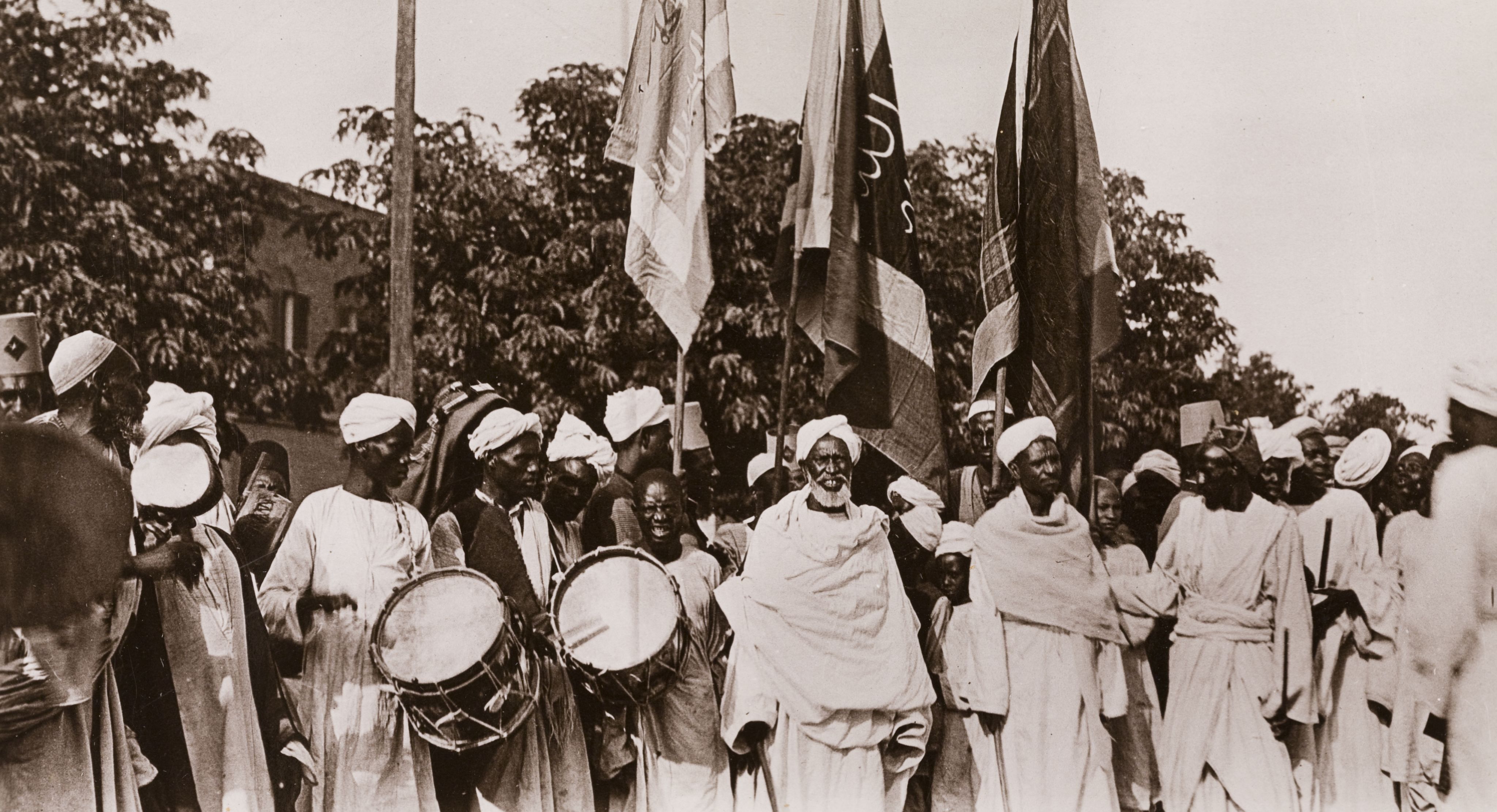
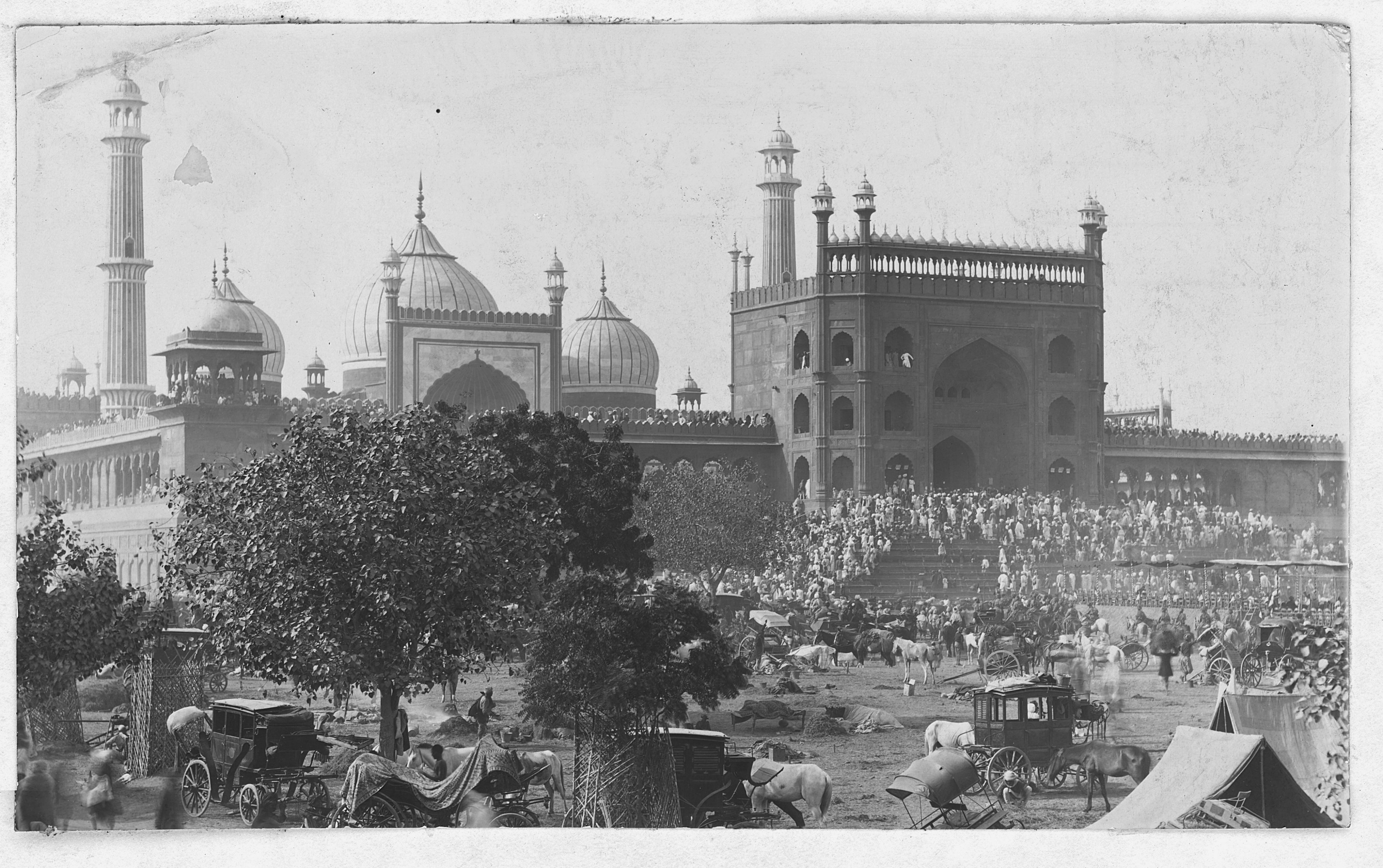
The sources for these photographs span continents and decades. In one, taken in 1903, worshippers gather in prayer at a mosque in Delhi. Three years later, in Khartoum, Sudanese men parade through the streets in traditional dress to mark the holy month. In 1937, Muslims in South Shields in northern England marched in a public procession – a reminder of the faith’s long presence in Europe.
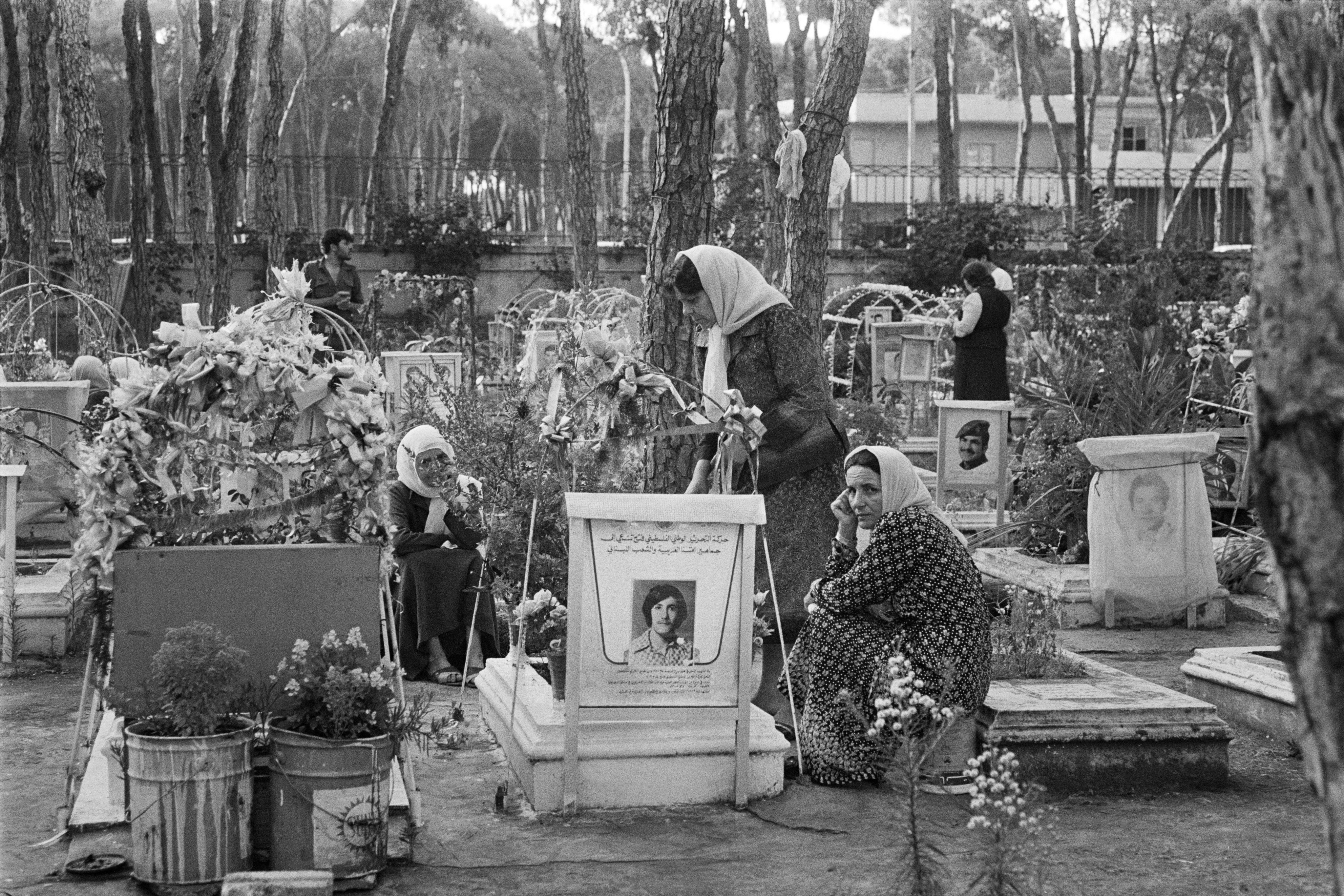
Other photographs reflect the political climate of their time: a young King Hussein of Jordan in 1957, shortly after surviving a coup attempt; Moroccan Spahi cavalrymen outside a mosque in Paris during the Second World War; and, decades later, Palestinian women visiting graves in West Beirut during the Lebanese Civil War.
Together, the images capture moments spanning a century in far-flung places and contrasting circumstances but all united by the holy month.

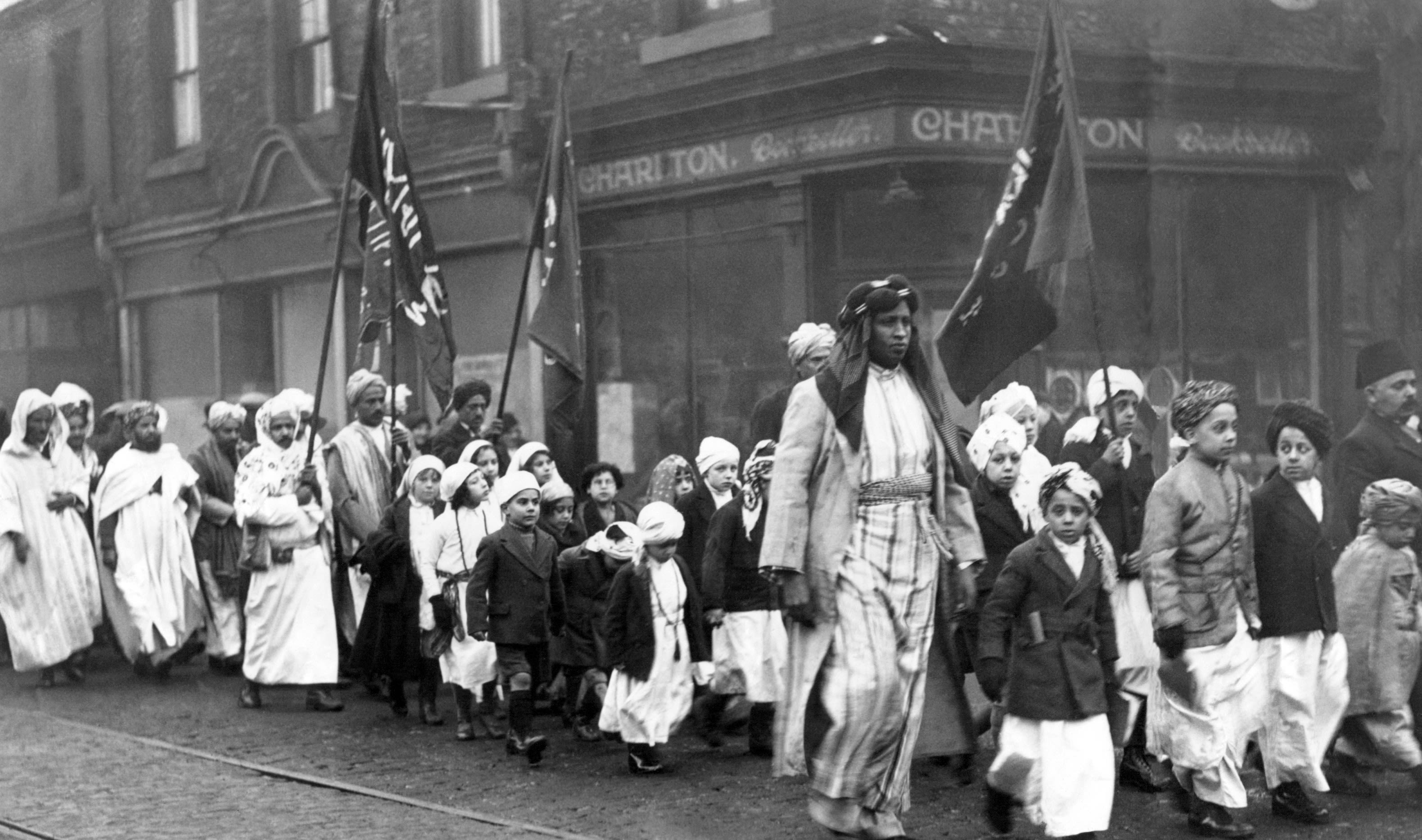
























An eye-catching procession marks the beginning of Ramadan in the northern English town of South Shields in December 1937. Through its shipping connections with Aden, the Tyneside town has long been home to a large Yemeni community. Getty Images
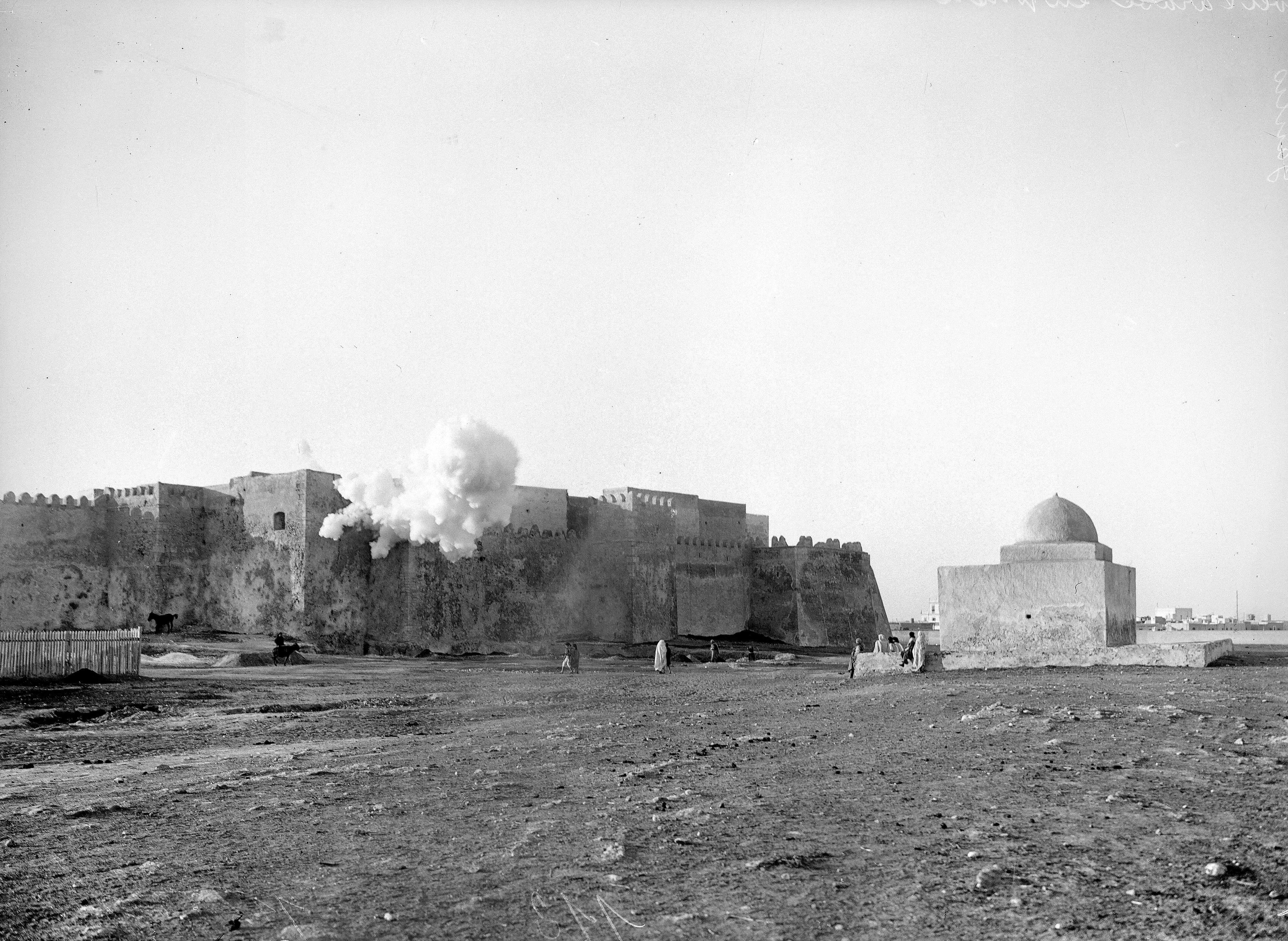
Ramadan cannon fired in Sfax, a port city to the south-east of Tunis, Tunisia, date unknown. In the early 1900s, Tunisia was a French protectorate and during the Second World War it was used as a major base by the Axis powers. AFP
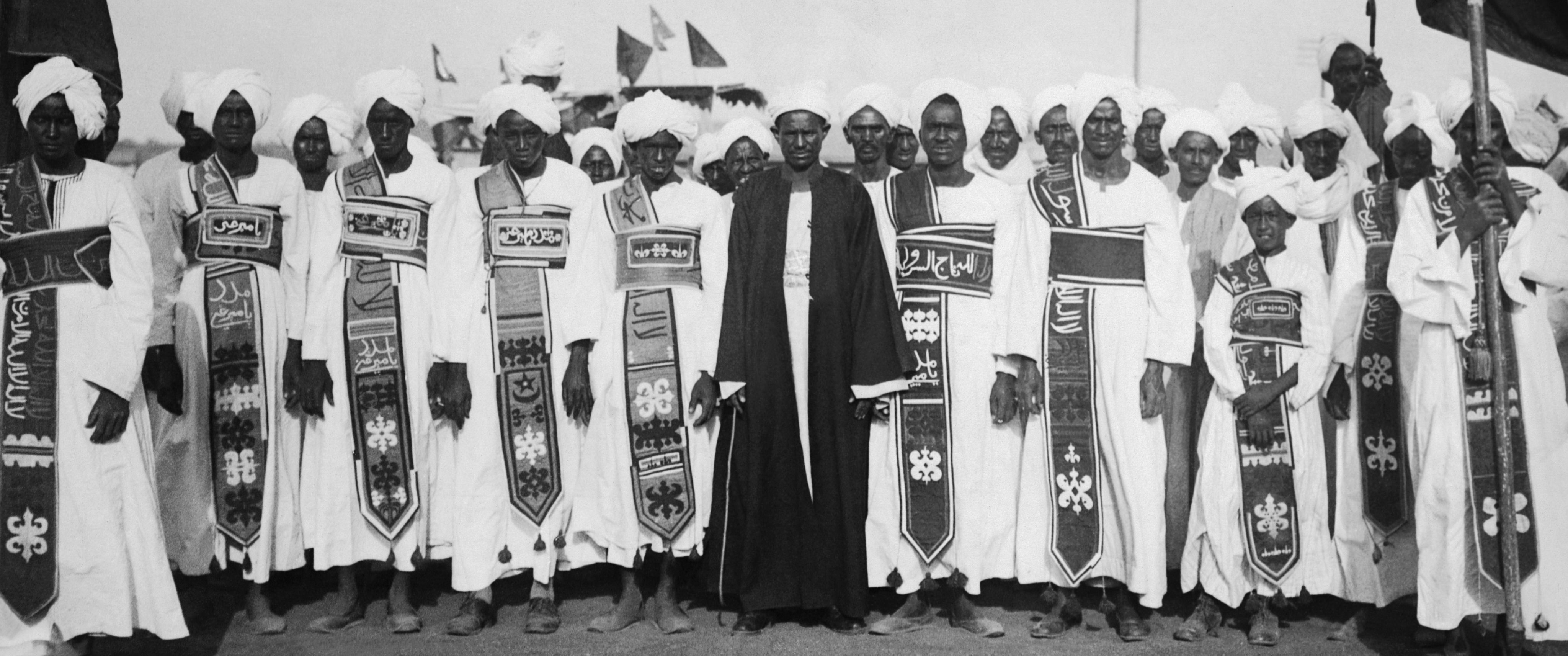
Sudanese Muslims wear ceremonial clothing and stand for a portrait on the first day of Ramadan in April 1925, when Sudan was under British and partial Egyptian occupation. Getty Images
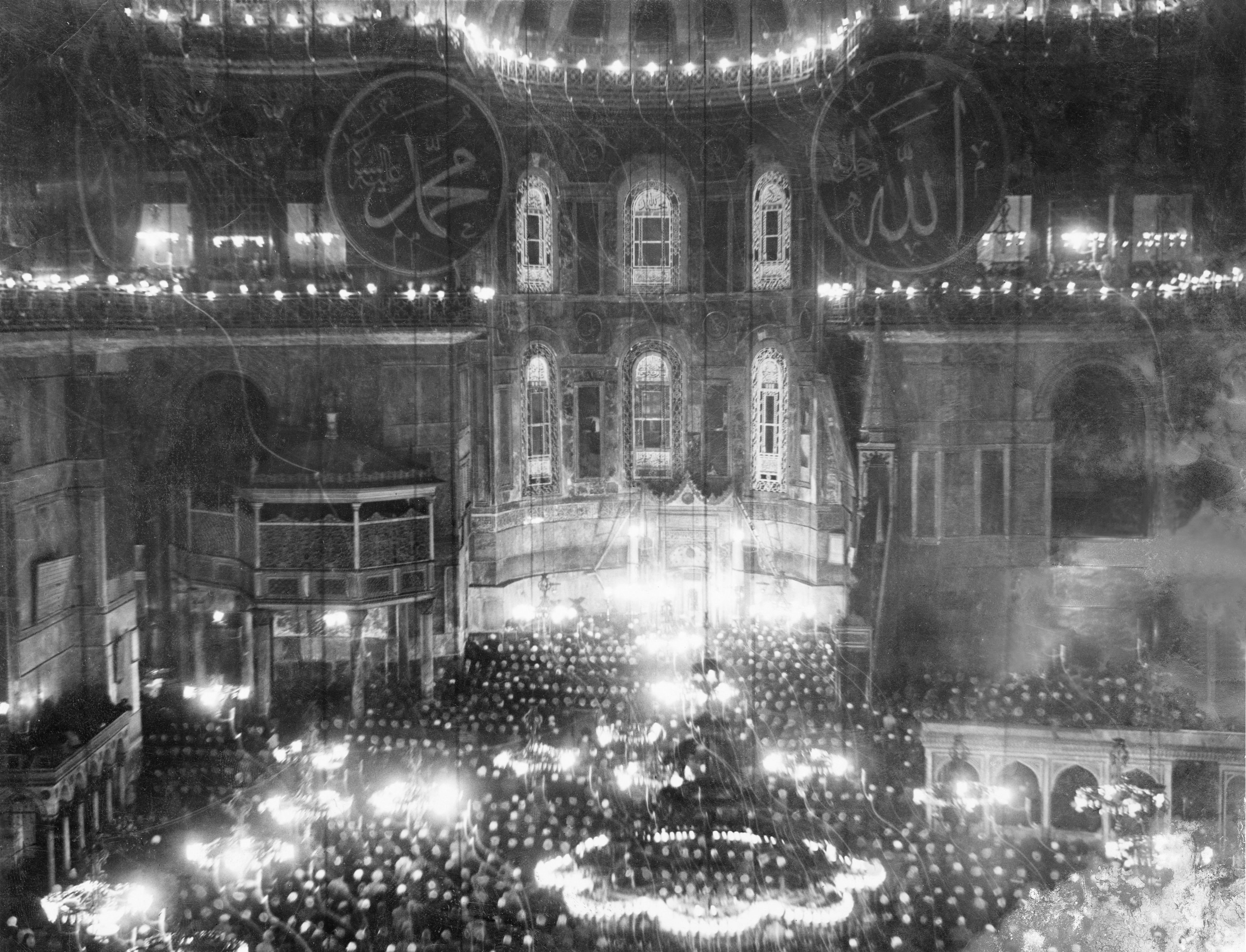
Ramadan prayers held at Hagia Sophia Mosque in Istanbul in 1933. That year, the holy month began at the end of August. The city was officially renamed from Constantinople three years earlier. Getty Images
Muslims gather at Loudoun Square in Cardiff, the capital of Wales, to break their fast during Ramadan in December 1969. Getty Images
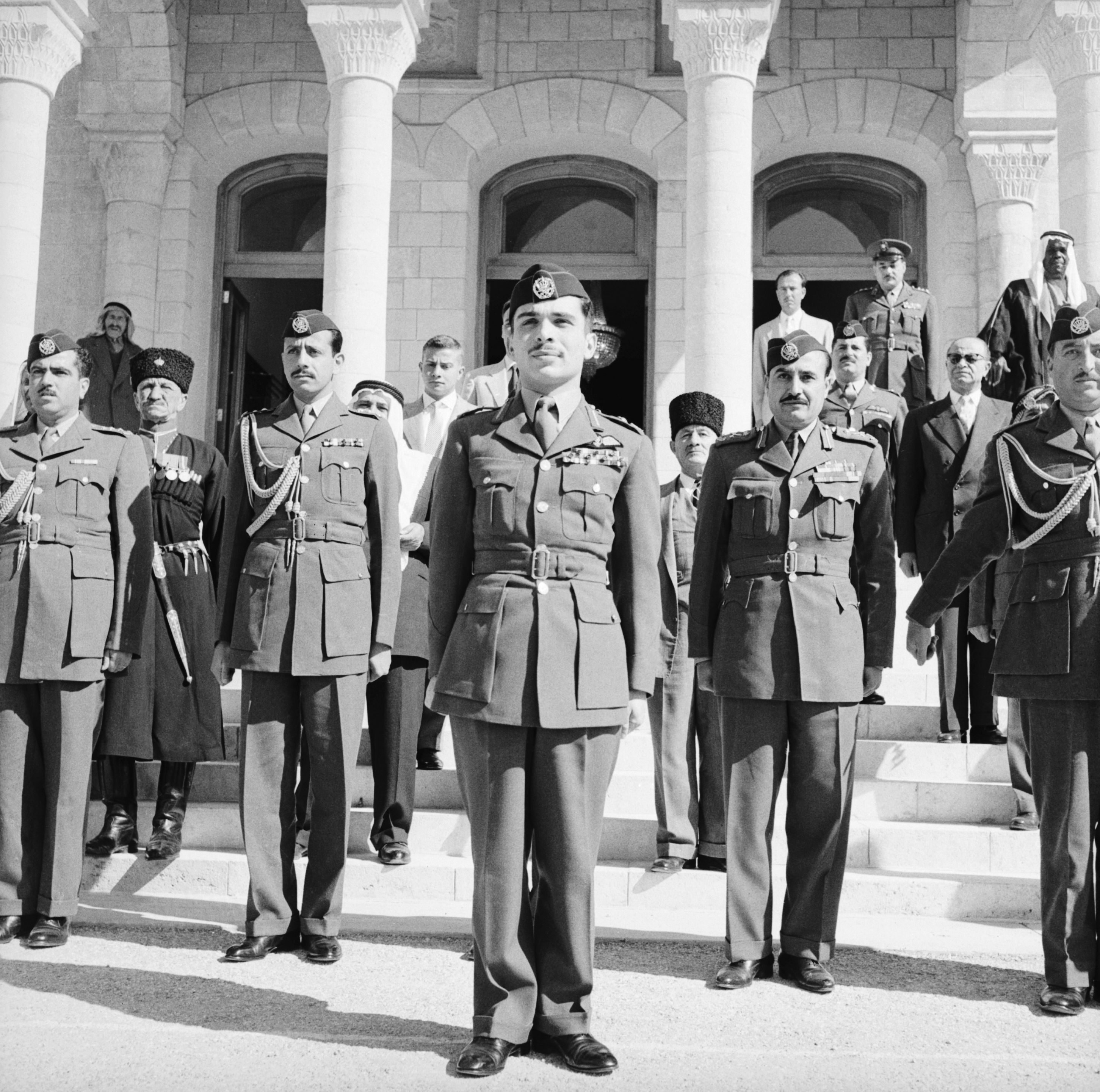
King Hussein of Jordan is pictured outside Amman Royal Palace before going to mark the end of Ramadan with Eid Al Fitr celebrations at a mosque in April 1957 – days after surviving an attempted coup by Arab nationalists in Zarqa. Getty Images
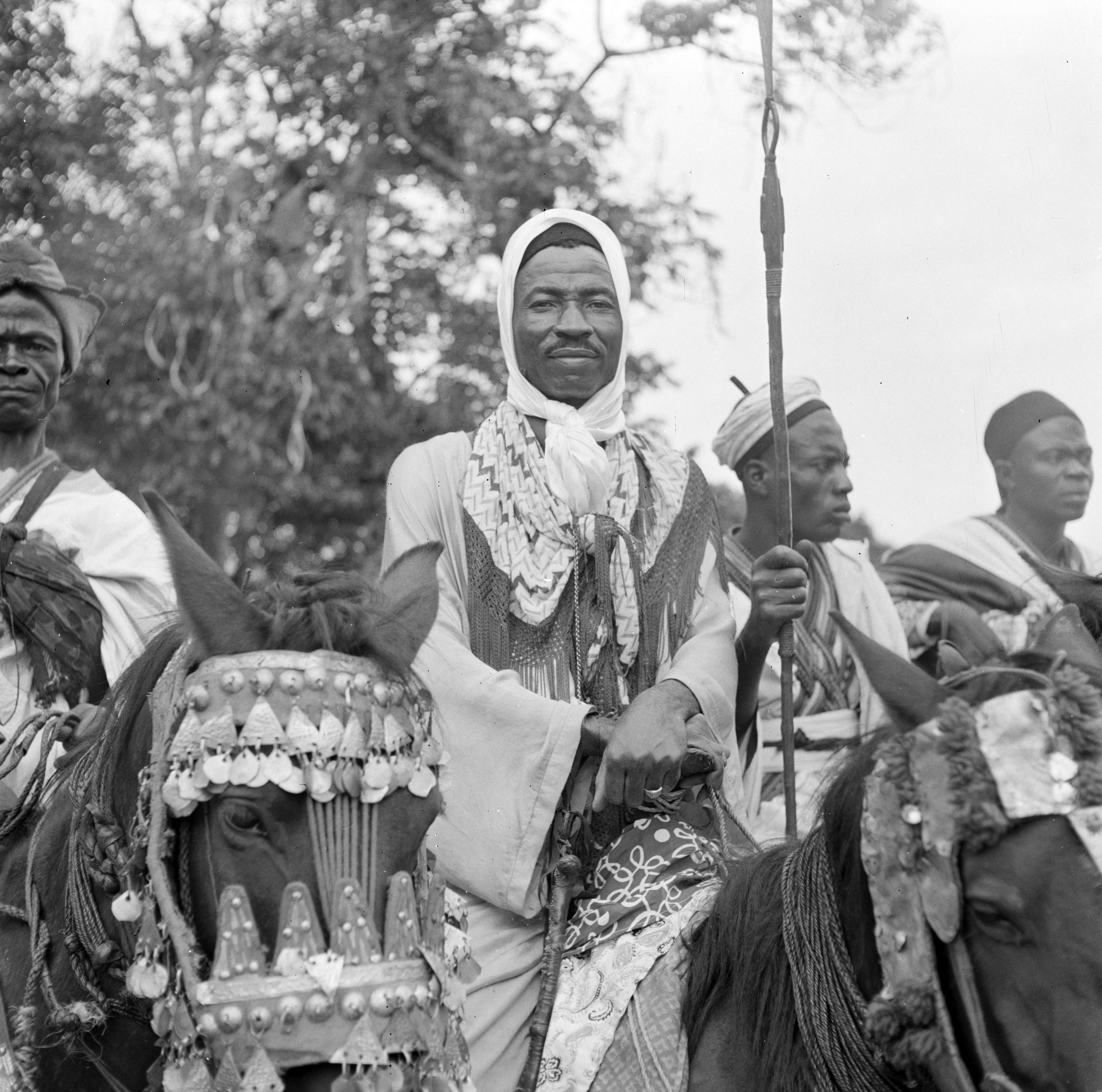
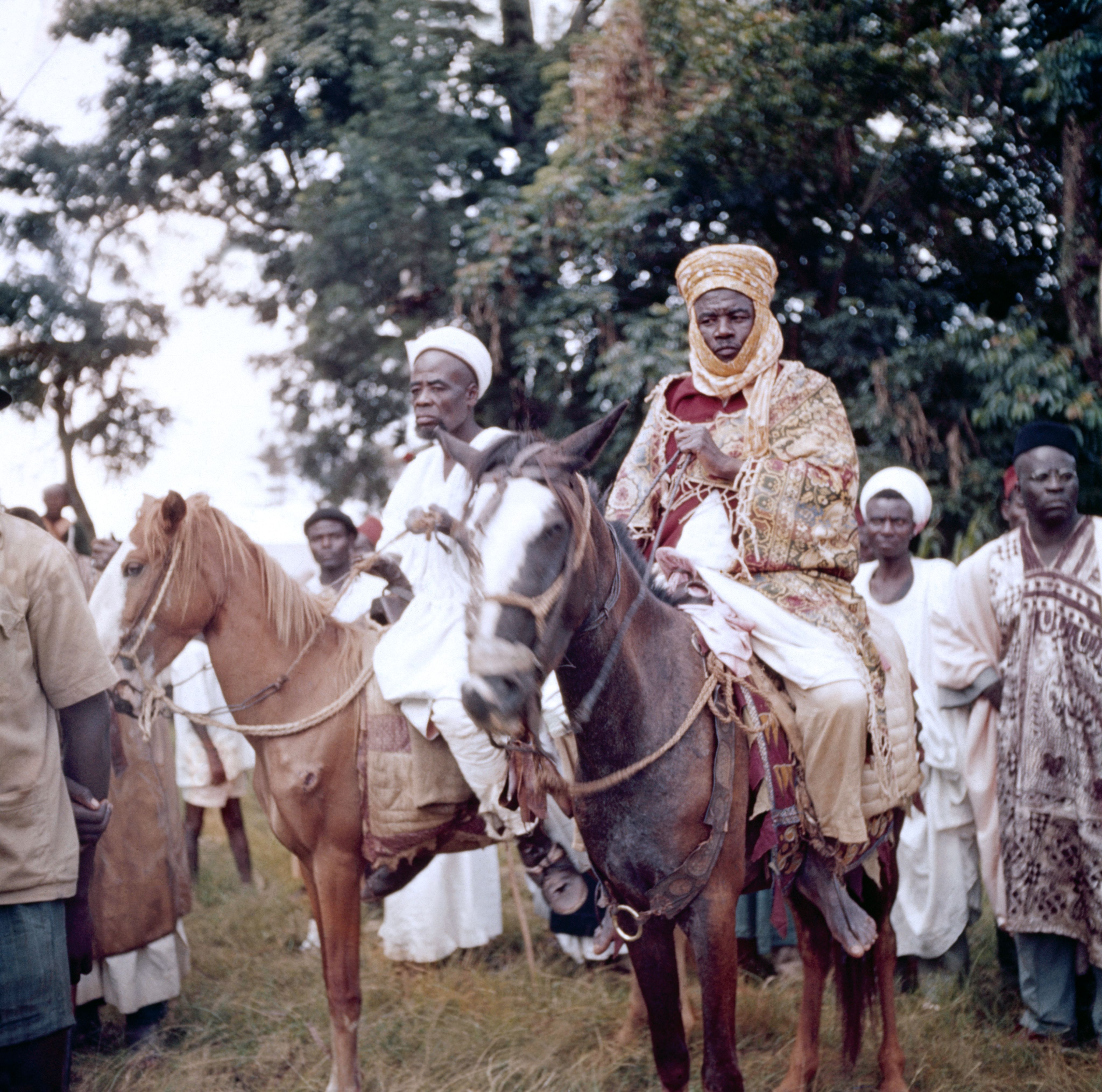
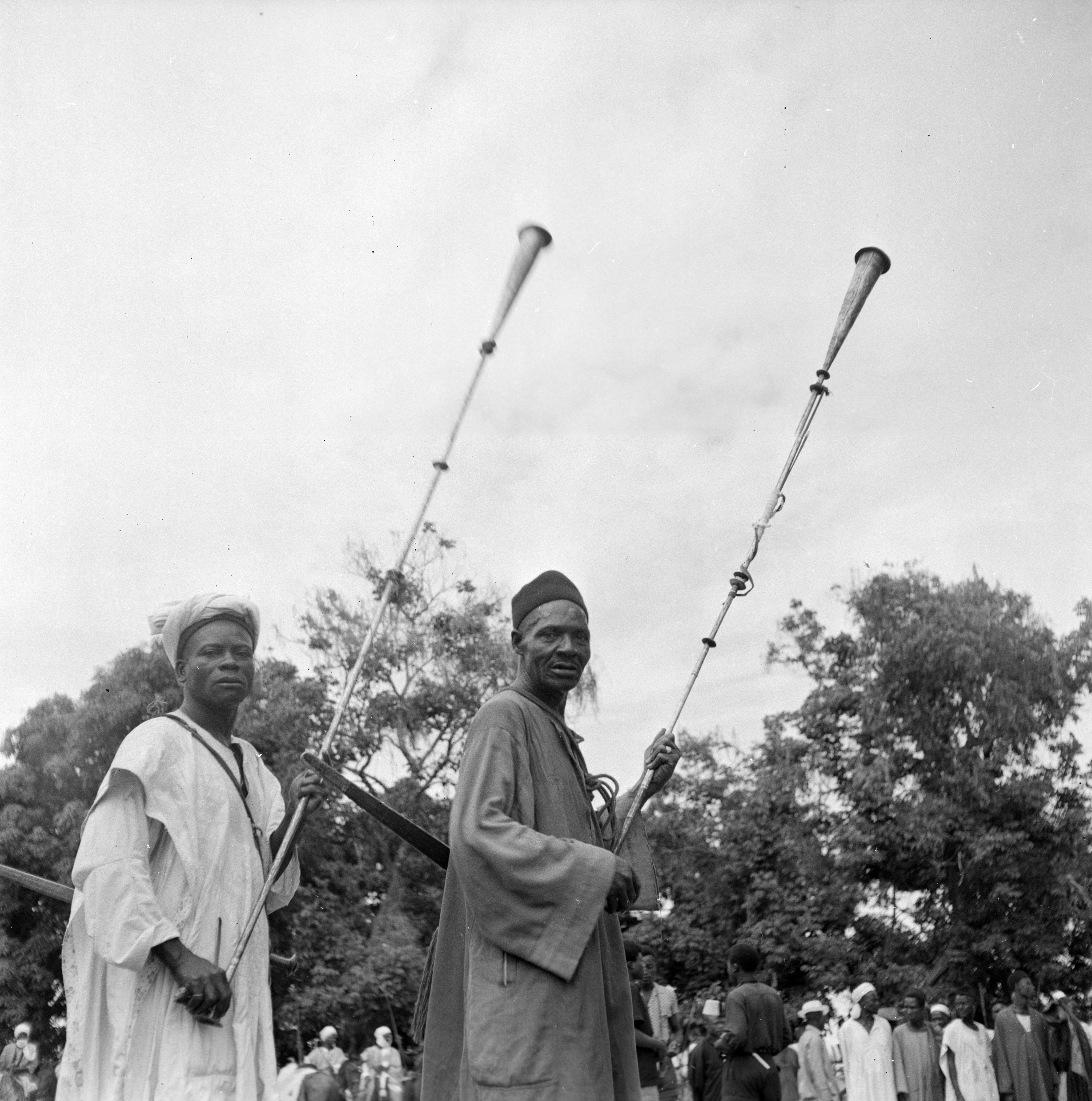
Bamoun horsemen during Eid Al Fitr celebrations in Foumban, Cameroon, about 1950. At the time, the country was under French and British occupation and would gain its independence a decade later. Getty Images
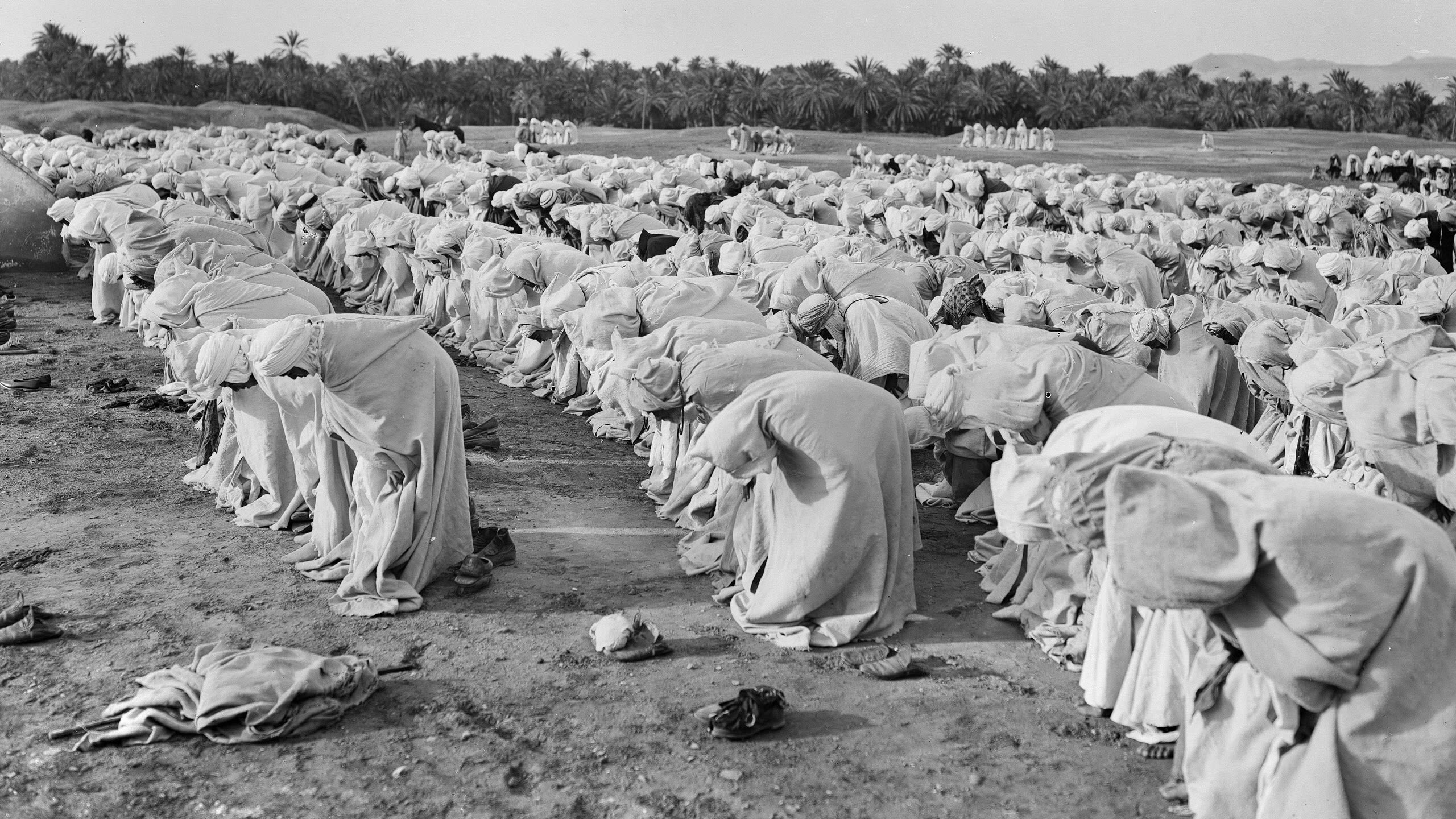
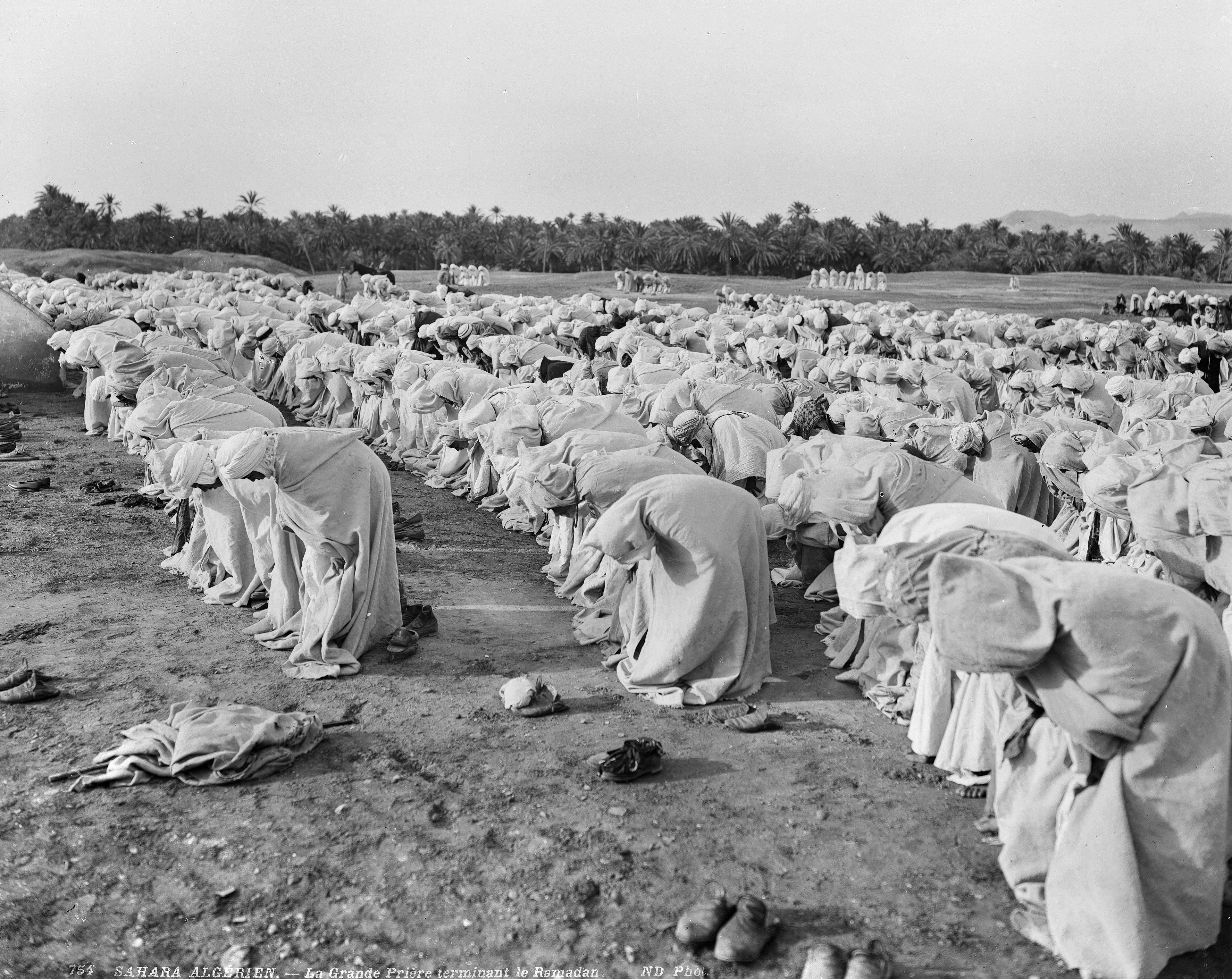
Worshippers perform Eid Al Fitr prayers in the Sahara, Algeria. The year is not known but during most of the 20th century, Algeria was under French occupation. It gained its independence after a war that killed between 400,000 and 1.5 million Algerians. AFP
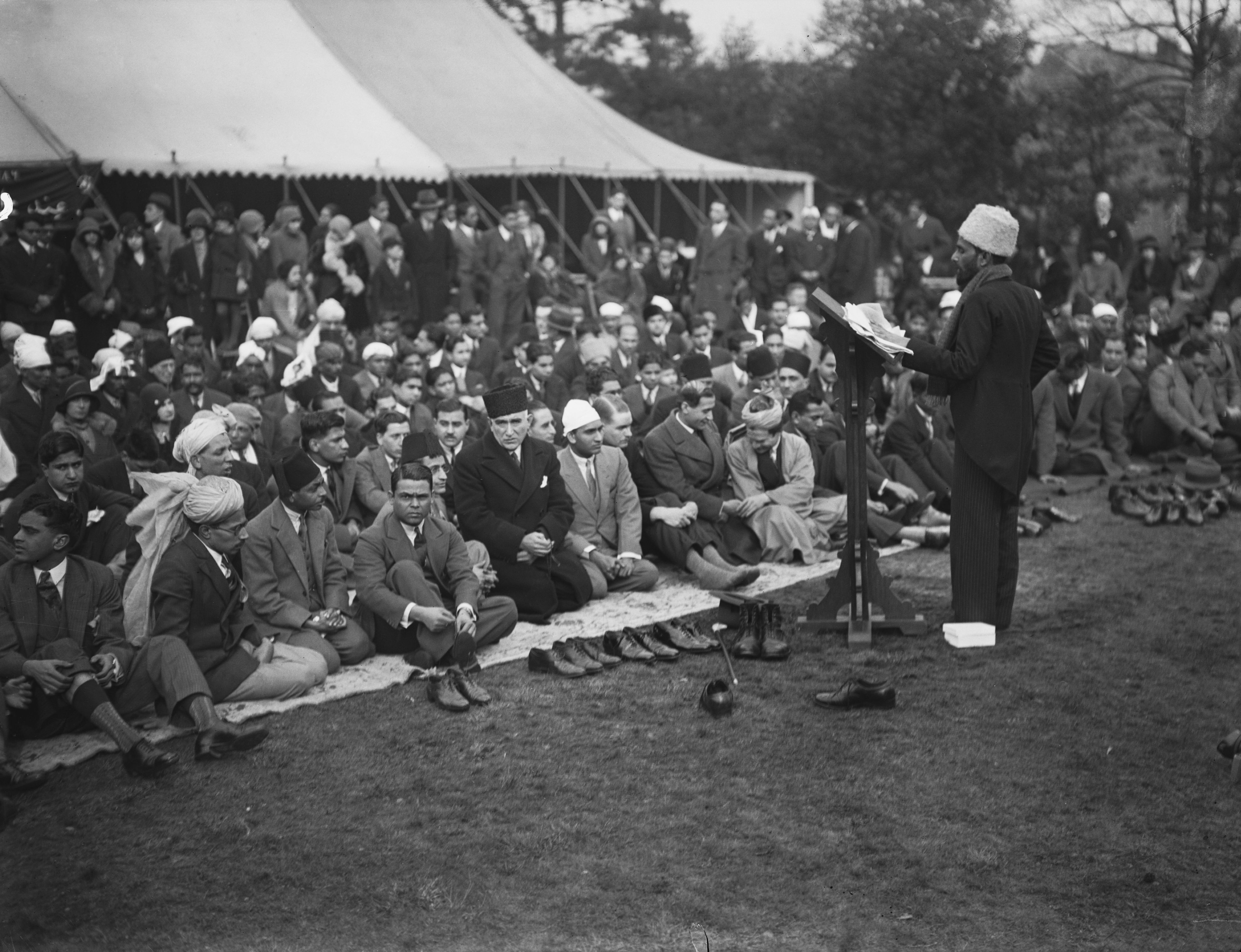
In March 1930, an imam addresses worshippers outside Shah Jehan Mosque in Woking, England, on the first day of Eid Al Fitr, signalling the end of Ramadan. Getty Images
The King of the Bamum people of Cameroon photographed during Eid Al Fitr in Foumban about 1950. Getty Images
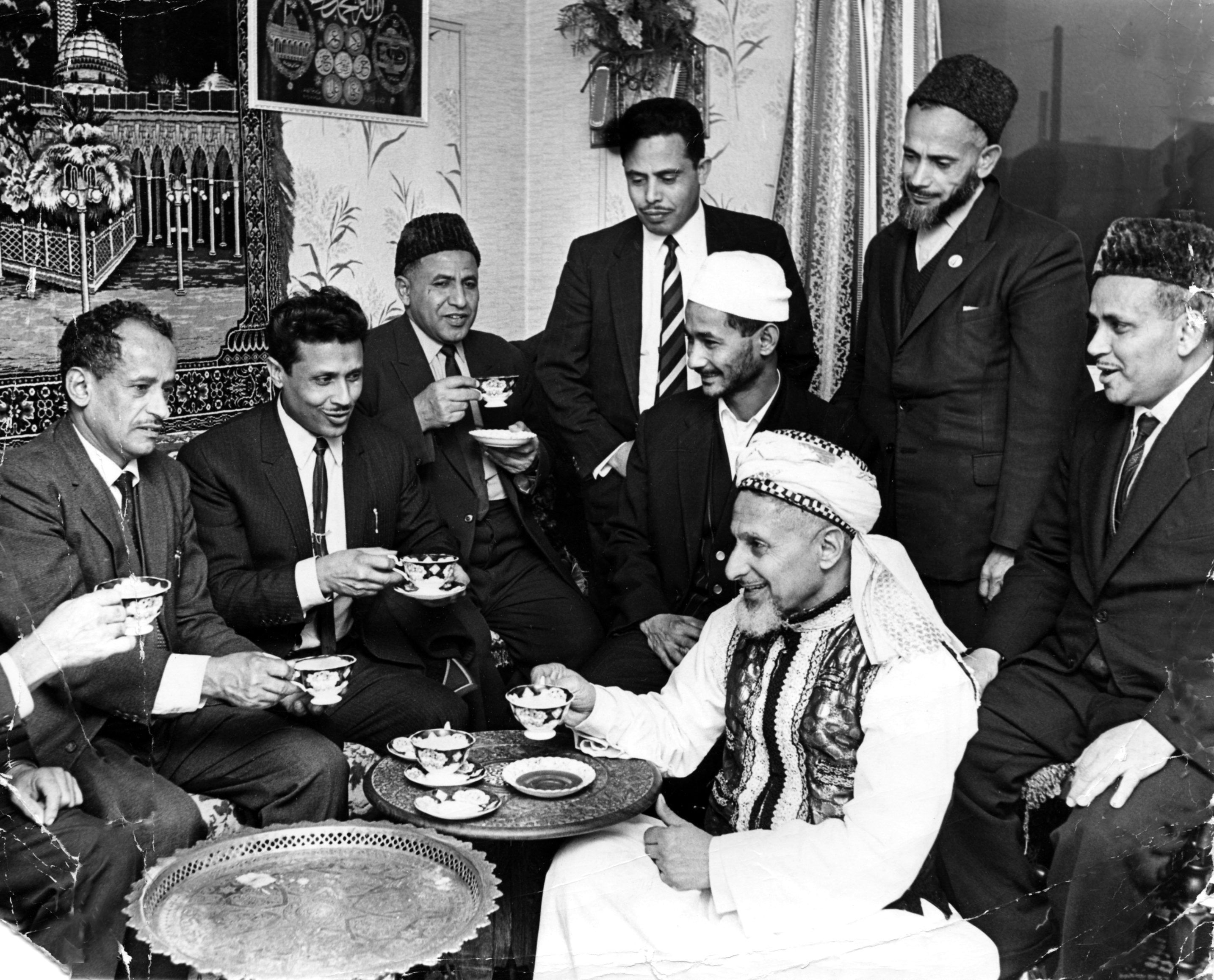
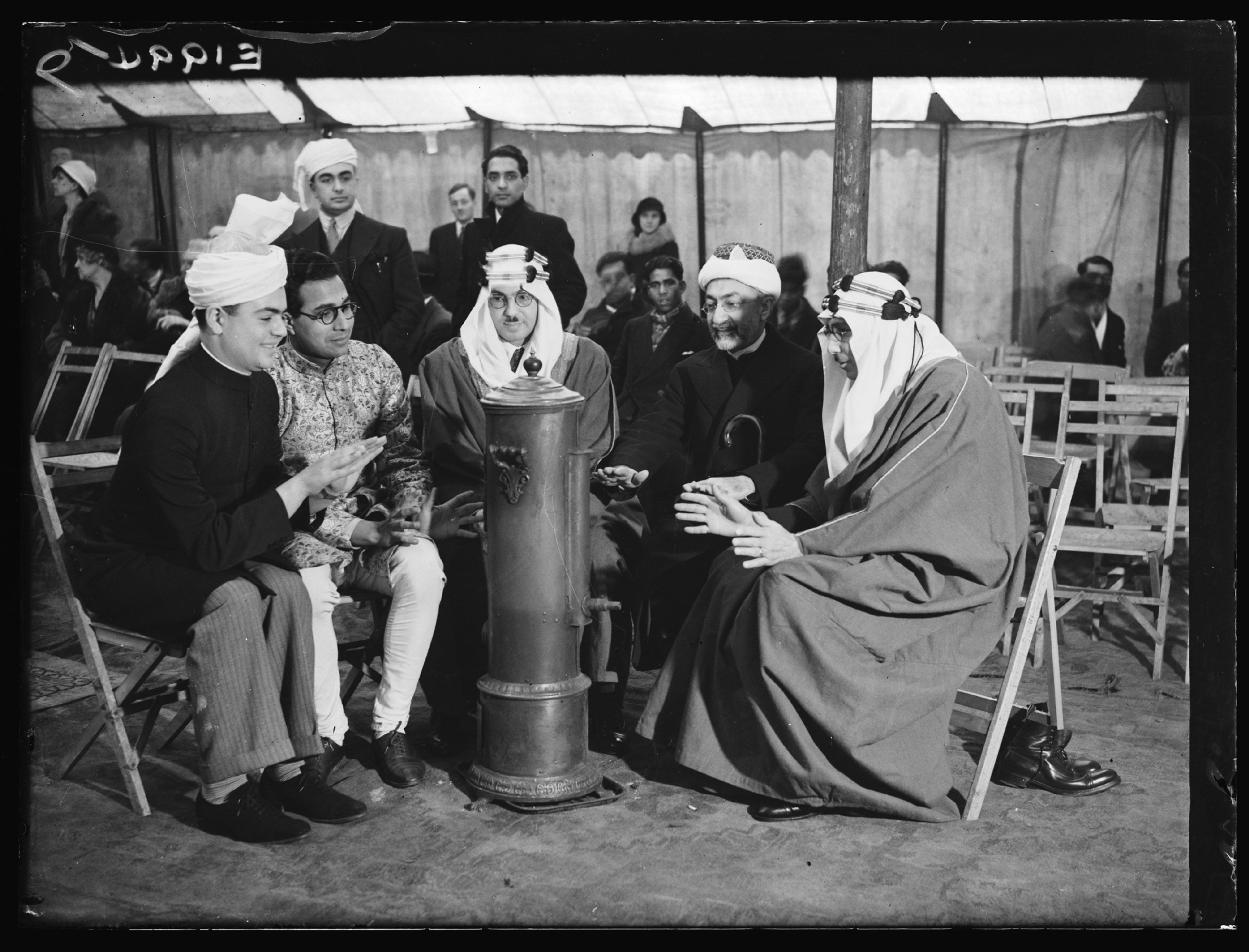
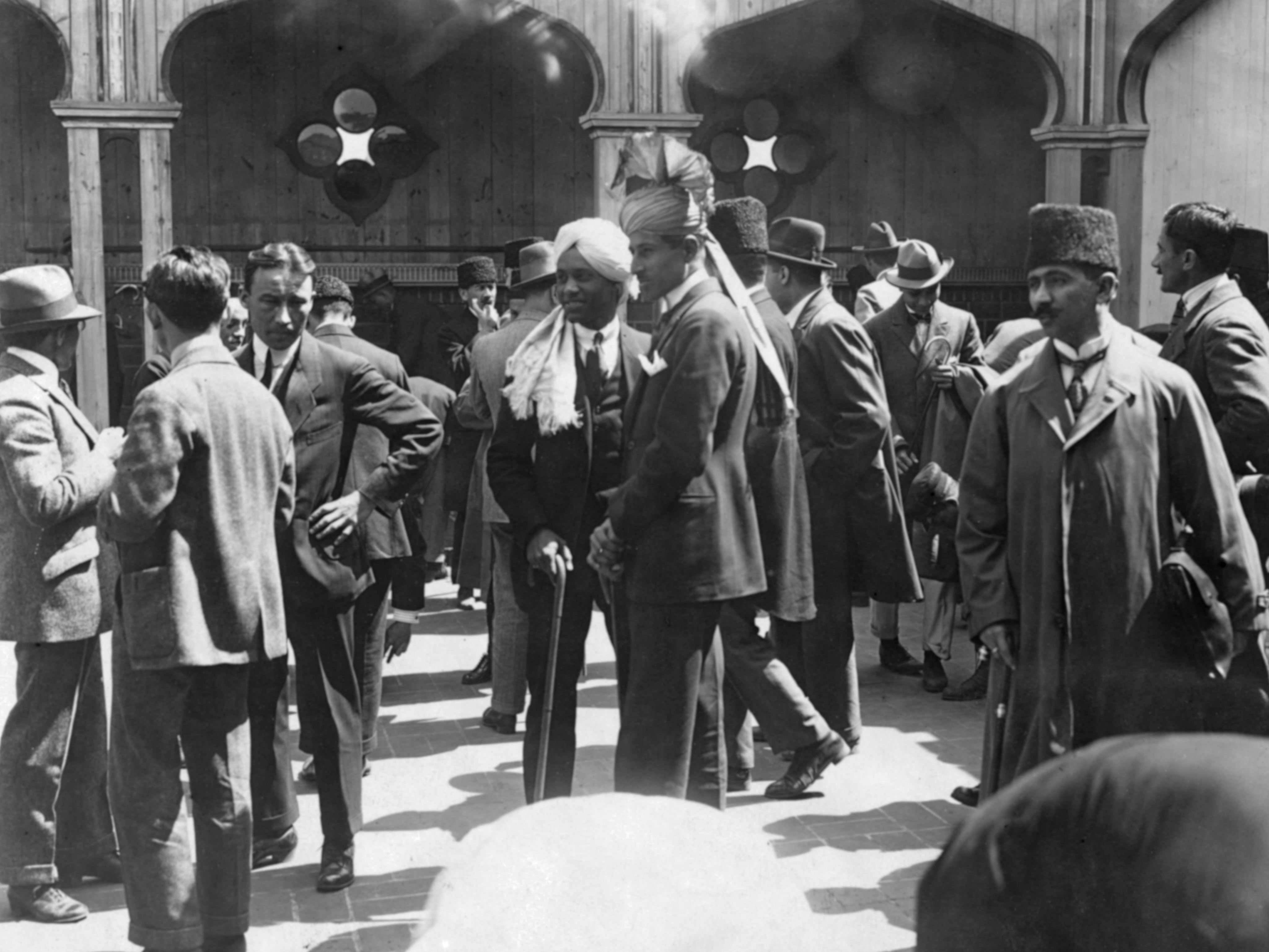
Muslim leaders warm themselves by a heater at the Shah Jehan Mosque in Woking, England, where they were marking Eid Al Fitr in January 1935. Getty Images
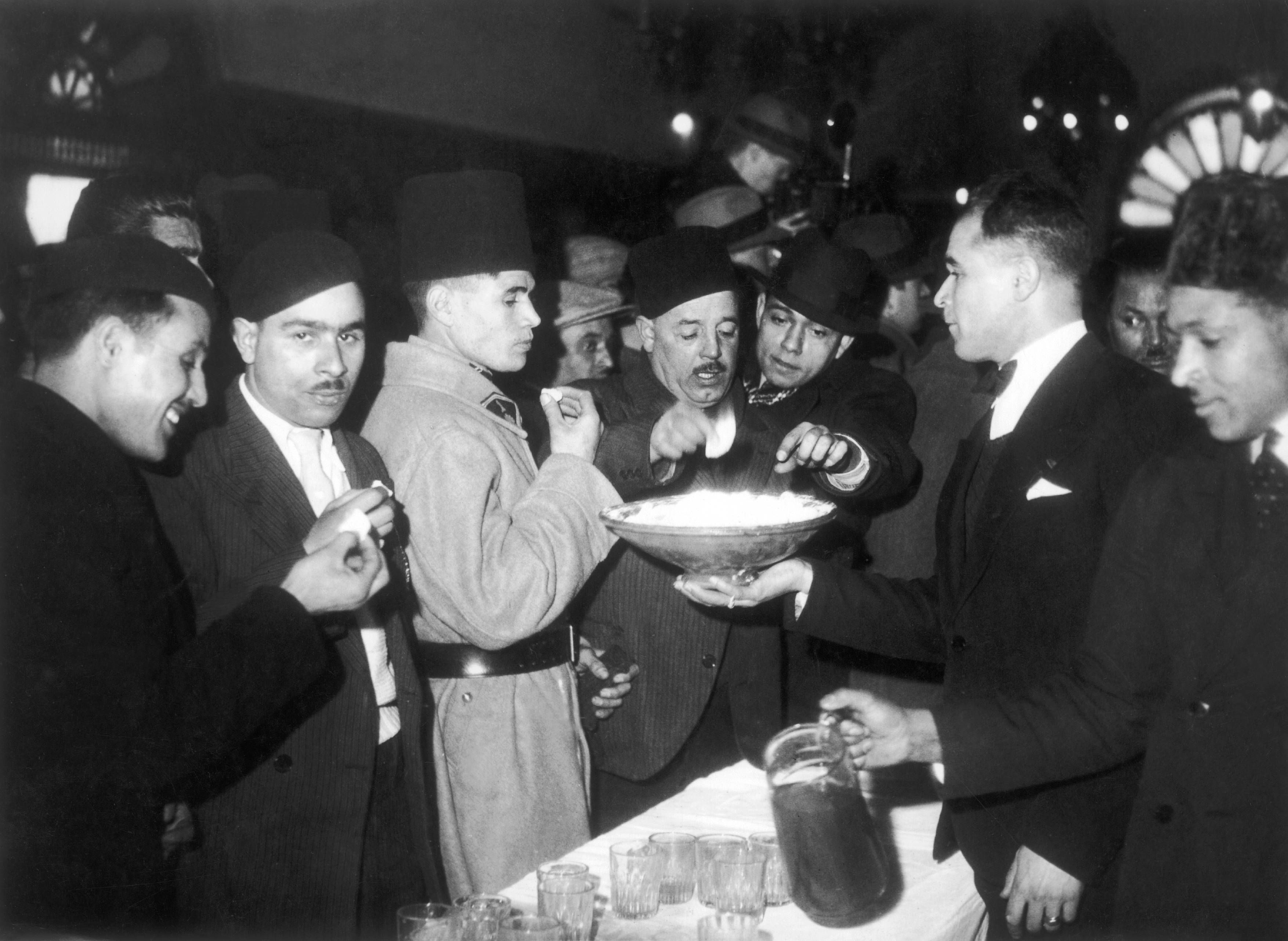
Muslim soldiers celebrate Eid Al Fitr at the Grand Mosque of Paris in December 1935, four years before the outbreak of the Second World War. Getty Images
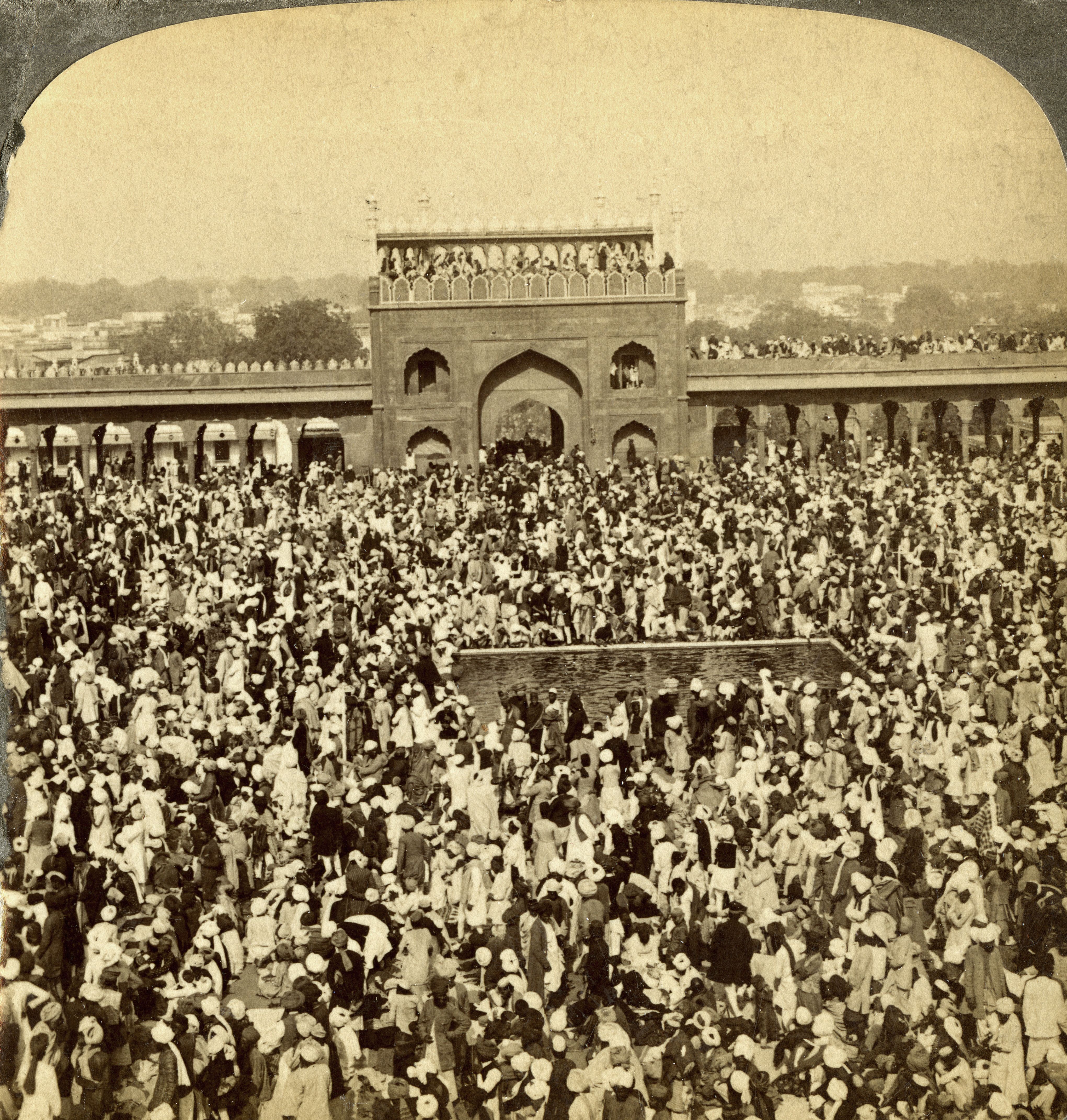
Muslims break their fast at Jama Masjid in what became New Delhi, India in 1903 – then under British occupation. At the time, Calcutta was the capital of India, moving to New Delhi in 1931. Getty Images
Eid Al Fitr celebrations held to mark the end of Ramadan in Foumban, a city in Cameroon, about 1950. At the time, the nation was under French and British occupation. A decade later, after a long guerrilla war, Cameroon would gain independence. Getty Images
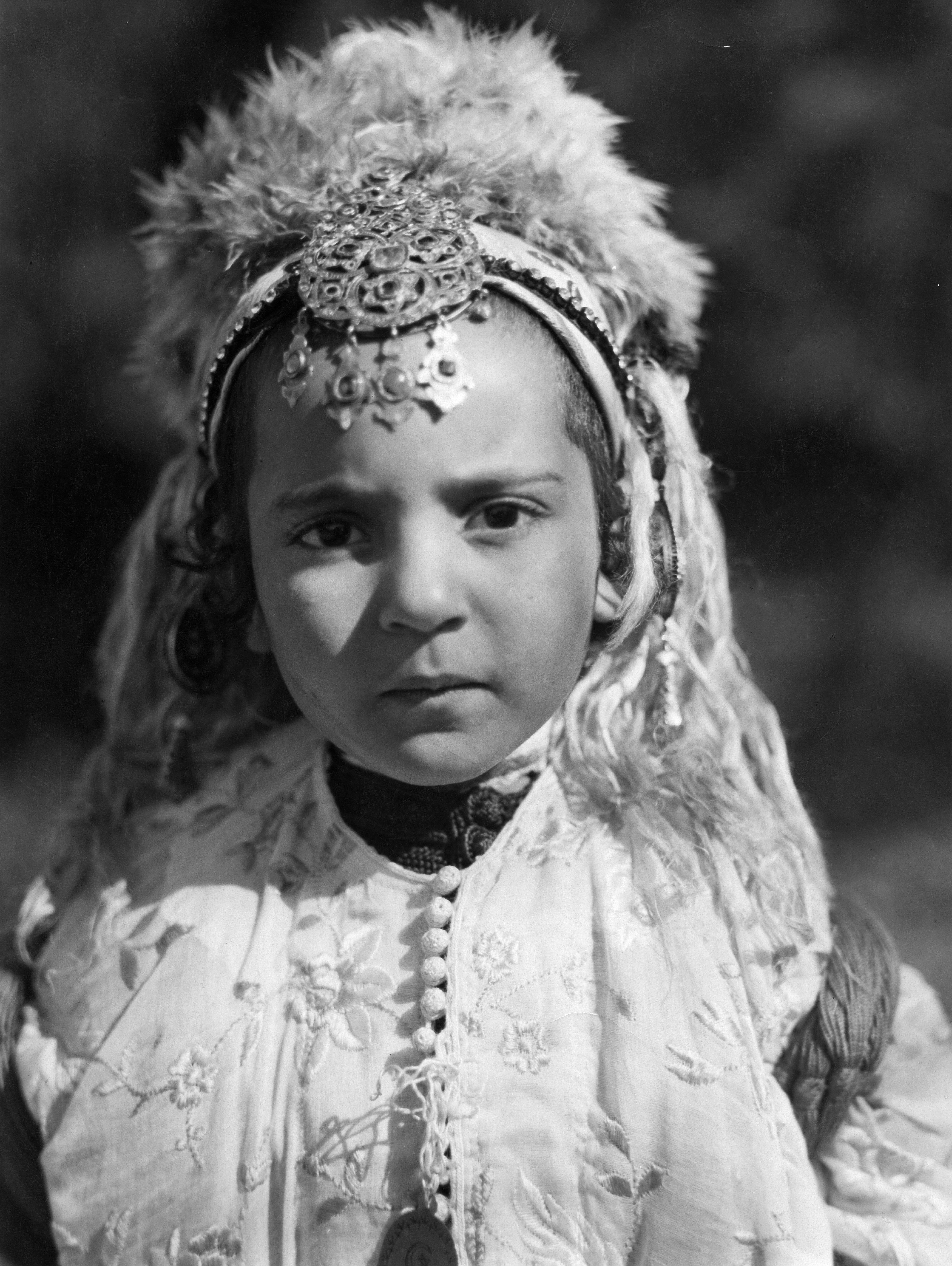
A young Amazigh girl in costume during Ramadan in Morocco, then under French and Spanish control, circa 1932. Getty Images
Palestinian women visit Martyr's Cemetery in West Beirut in last days of Ramadan in July 1982 during the 15-year-long Lebanese Civil War when Israel invaded Lebanon and besieged Beirut. AFP
Sudanese men mark the start of Ramadan with a celebration in Khartoum, about 1906. At the time, Sudan was under British and Egyptian control, gaining independence in 1956. Getty Images
People gather in front of Jama Masjid Mosque in New Delhi to break their fast on the first day of Ramadan some time in the early 20th century. Getty Images
People attend a Ramadan festival in Wunstorf, a town near Berlin, in April 1922. Immediately after the First World War, Germany – then the Weimar Republic – sought to recover from the war but struggled with hyperinflation, political extremism and international isolation before enjoying the Golden Twenties. Getty Images
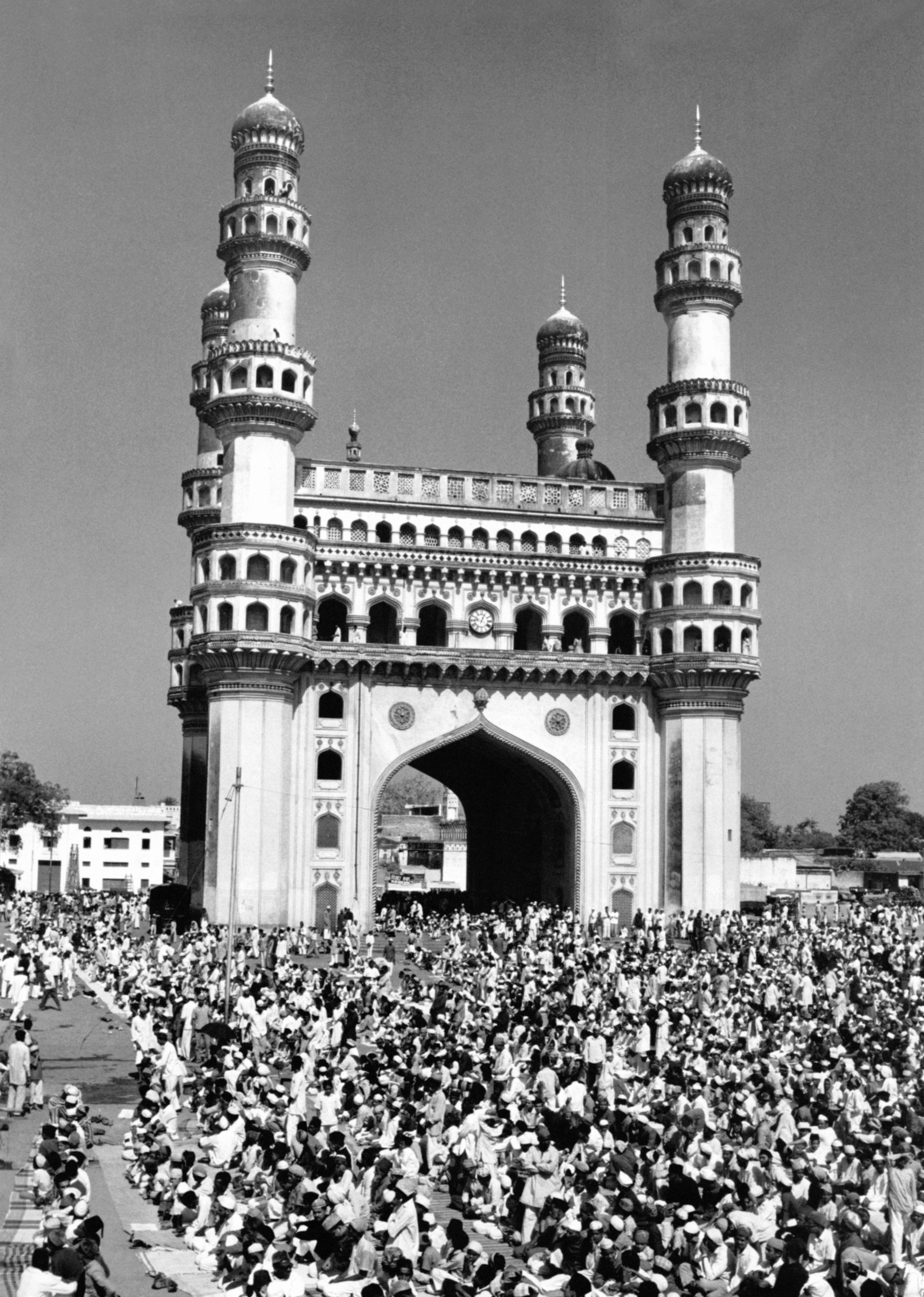
Hundreds of worshippers perform Eid Al Fitr prayers at Charminar Mosque – built in 1591 – in Hyderabad, India, in October 1975. Getty Images
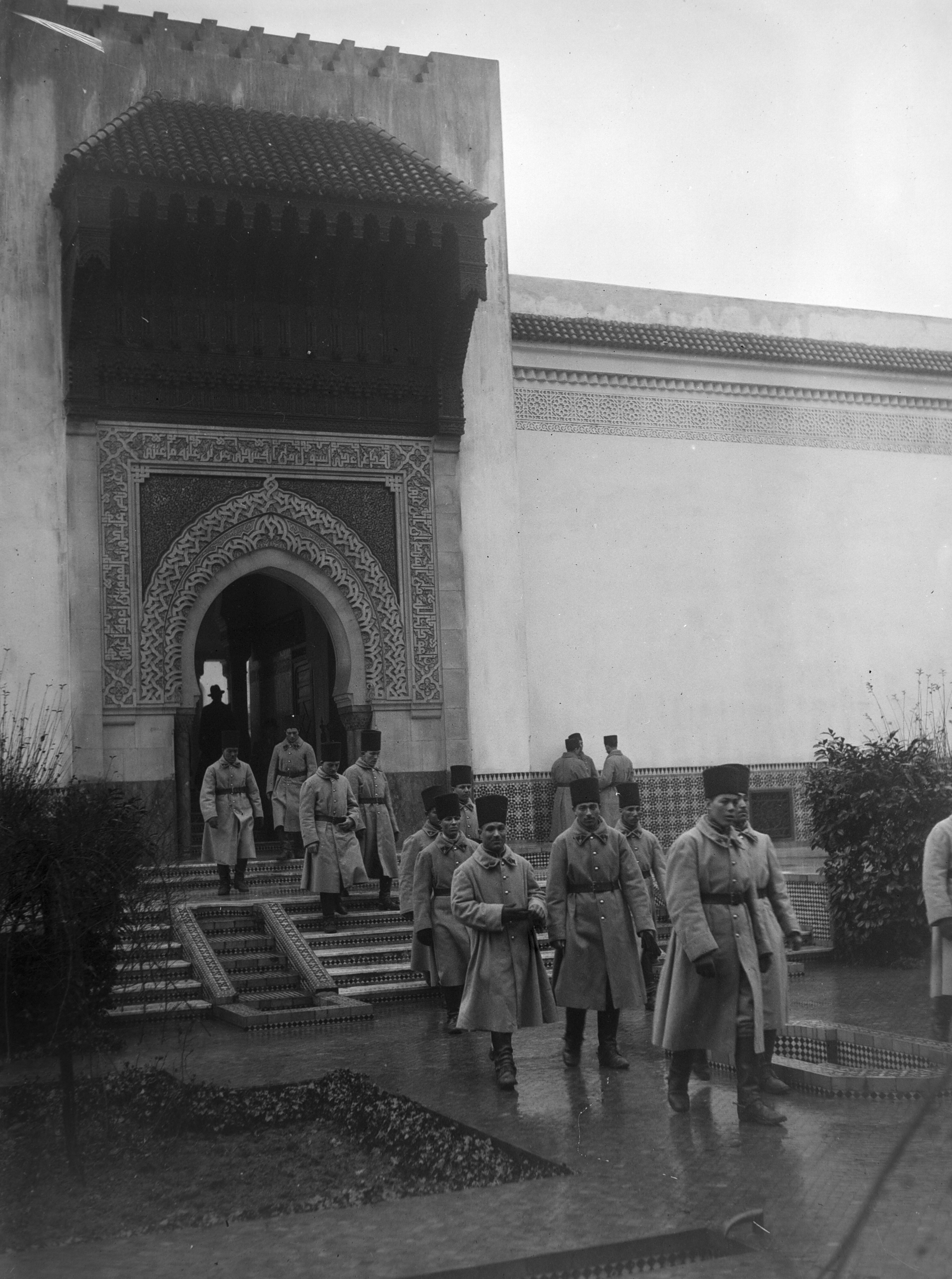
Algerian soldiers leave the Grand Mosque of Paris – built eight years earlier – after marking Eid Al Fitr in January 1934. Getty Images
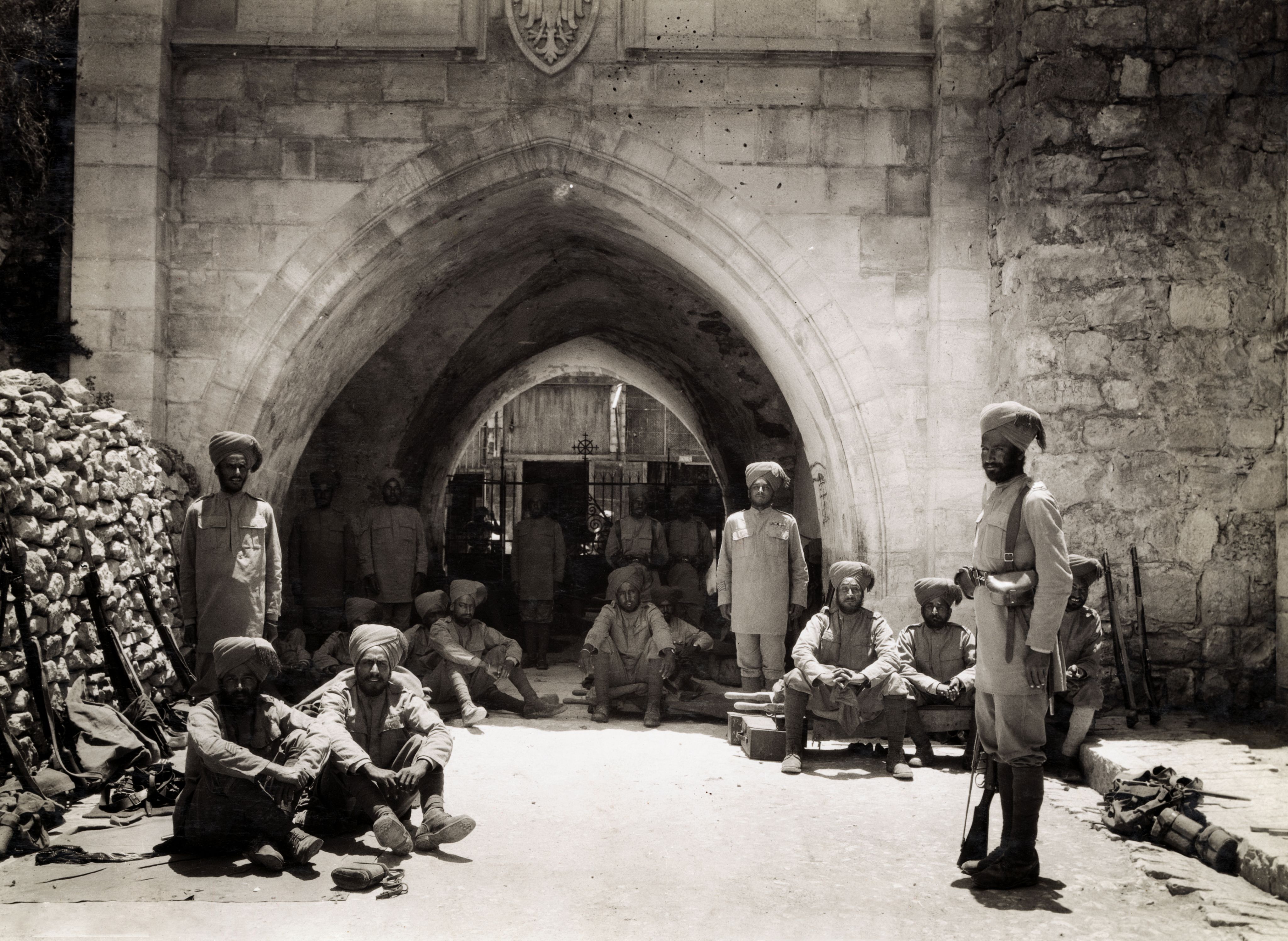
Sikh guards, who were members of the British Army and served in the First World War, outside Jerusalem at Ramadan in June 1917. At the time, Britain was attempting to seize control of Palestine from the Ottomans with the aid of Arabs during the Arab Revolt. Getty Images
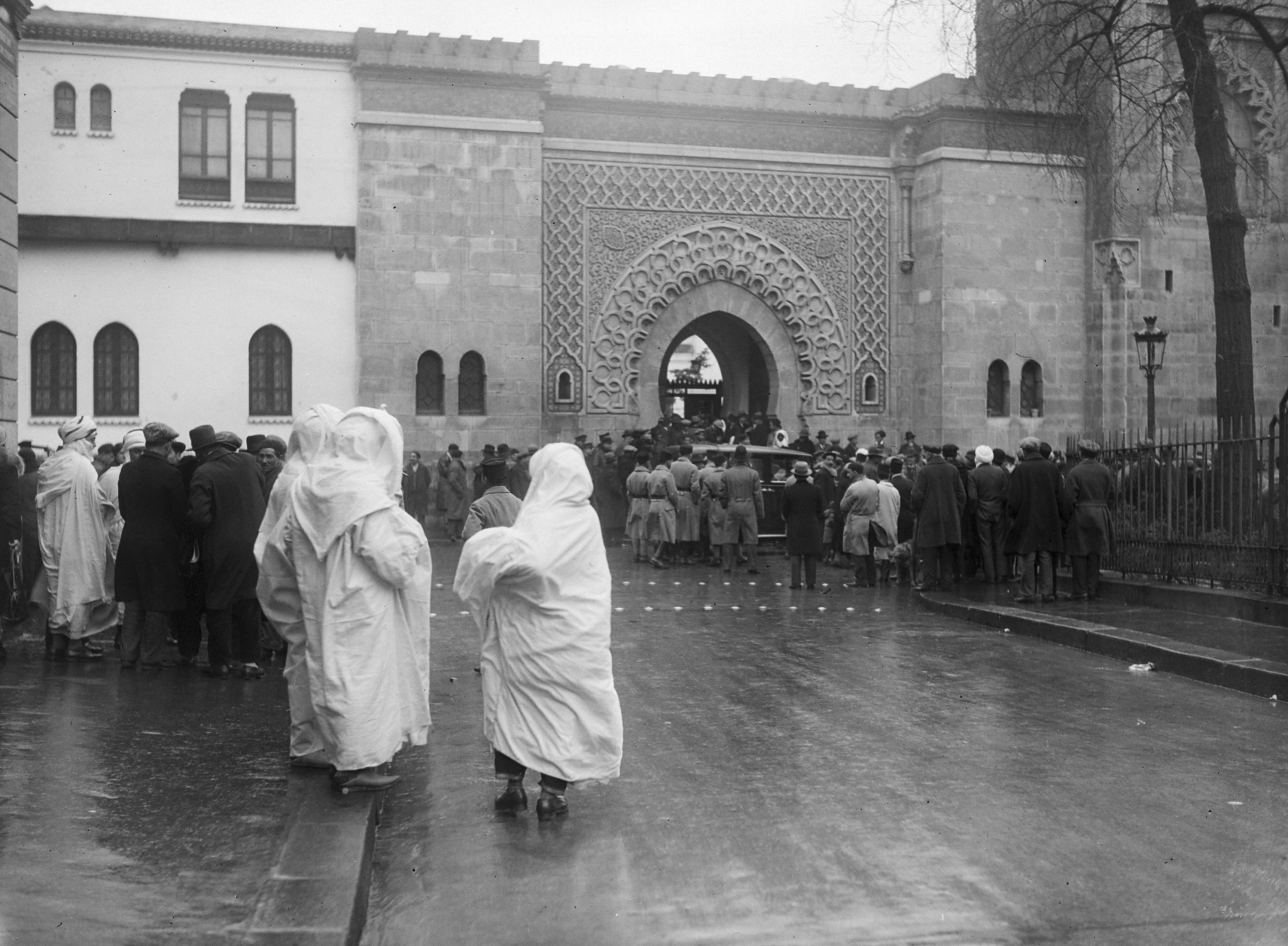
Muslims go to the Mosque of Paris to mark the end of Ramadan by celebrating Eid Al Fitr in January 1934. Getty Images
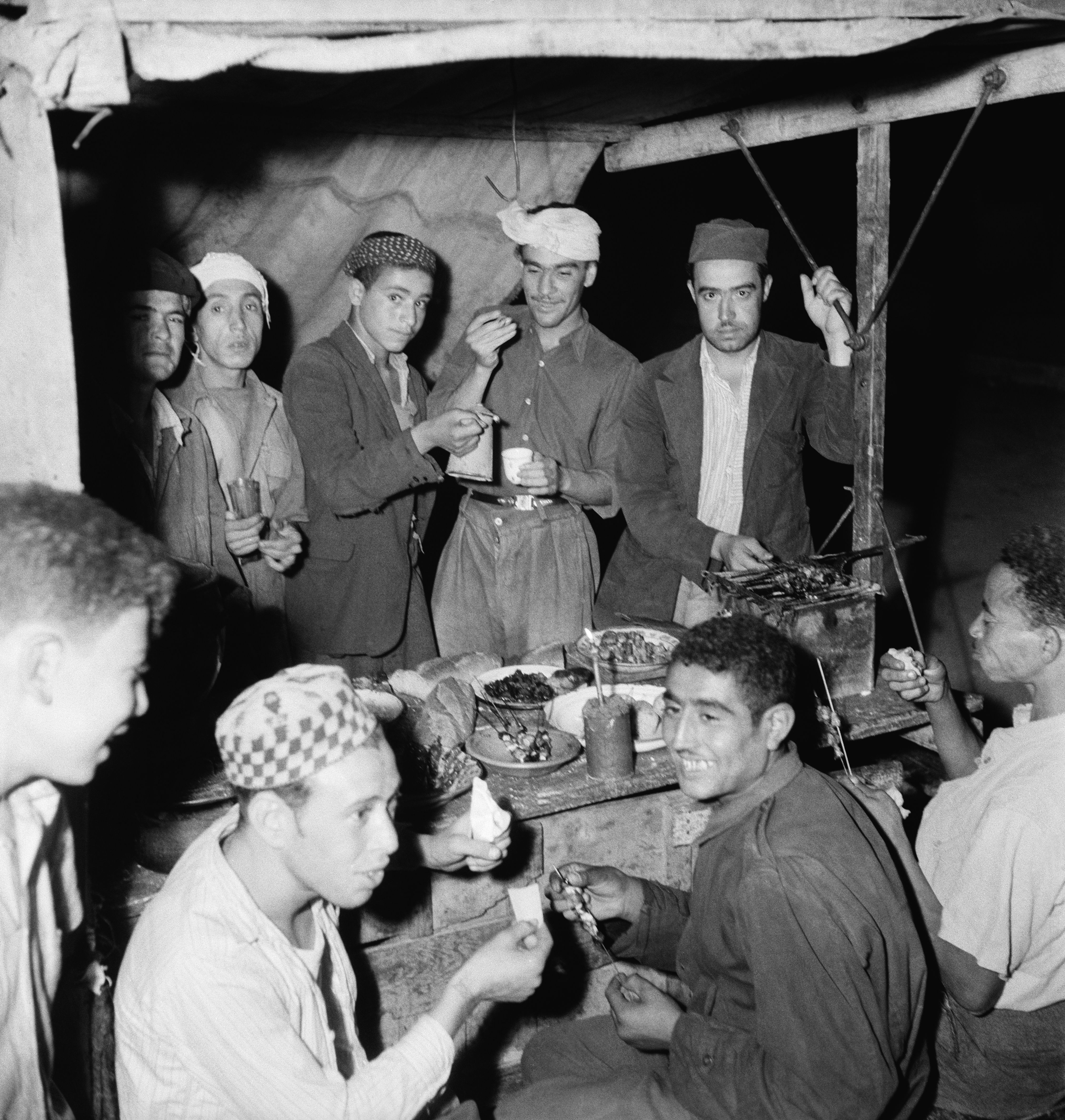
Algerian men break their fast at sunset during Ramadan in Setif, Algeria, in August 1946, a year after thousands of Algerians were massacred for attempting to rise up against French settlers. Algeria would gain its independence in 1962. Getty Images
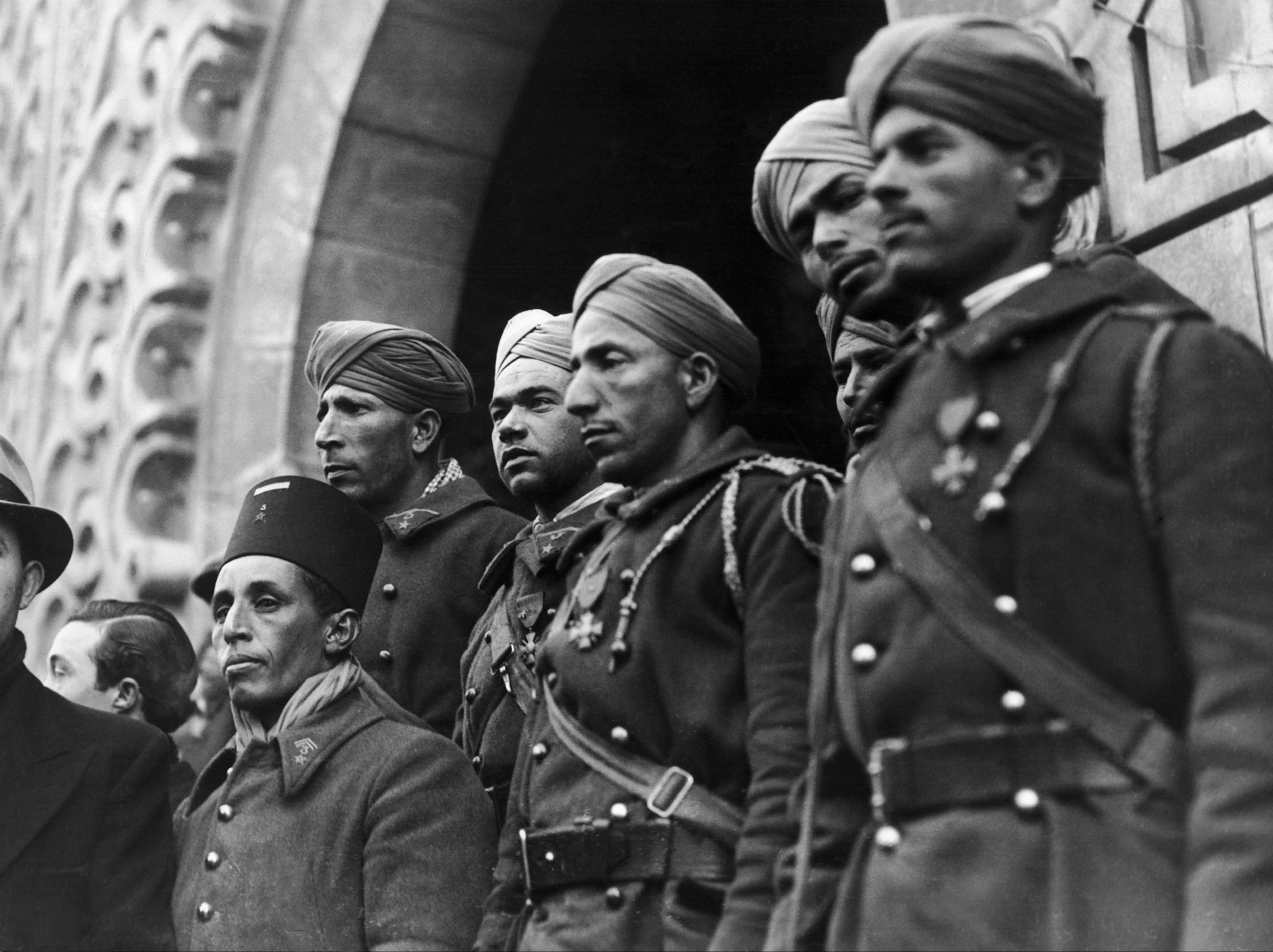
Moroccan Spahis – a mounted indigenous cavalry unit that fought in the First and Second World Wars – on the doorstep of the Grand Mosque of Paris during Ramadan in October 1940. Getty Images


 Built with Shorthand