
The year we lost the queen
Queen Elizabeth II was Britain's longest-reigning monarch
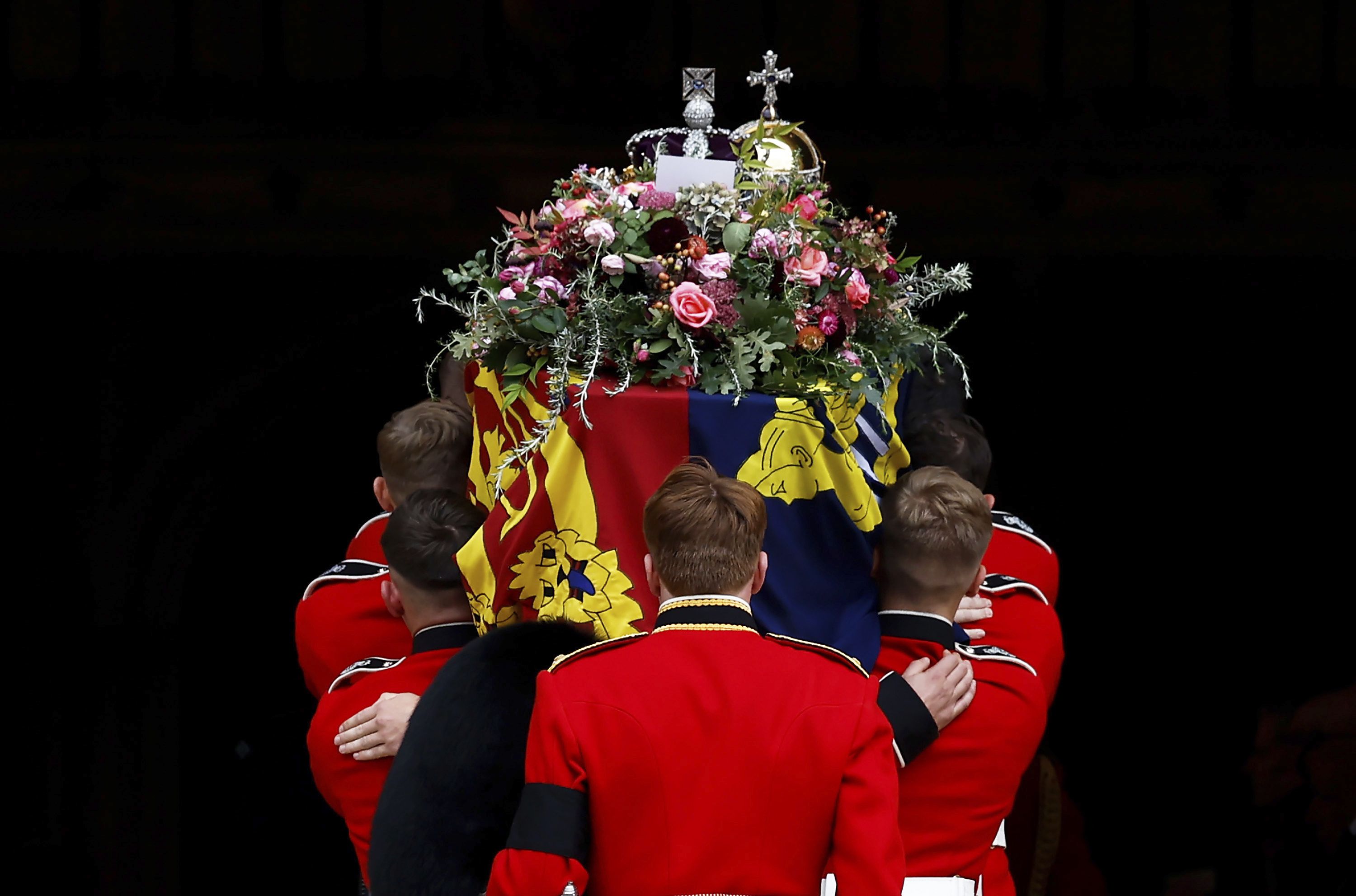

On the eve of her Platinum Jubilee, on Wednesday, June 1, 2022, Queen Elizabeth II unexpectedly settled one of the final issues facing her seven decade-long reign.
How Camilla would be known once the-then Prince Charles acceded to the throne had been a subject of debate for 17 years, since the couple’s wedding.
The day before she became the first British monarch to rule for 70 years, the queen let it be known that it was her “sincere wish” that her son’s second wife be known as queen consort on his accession.

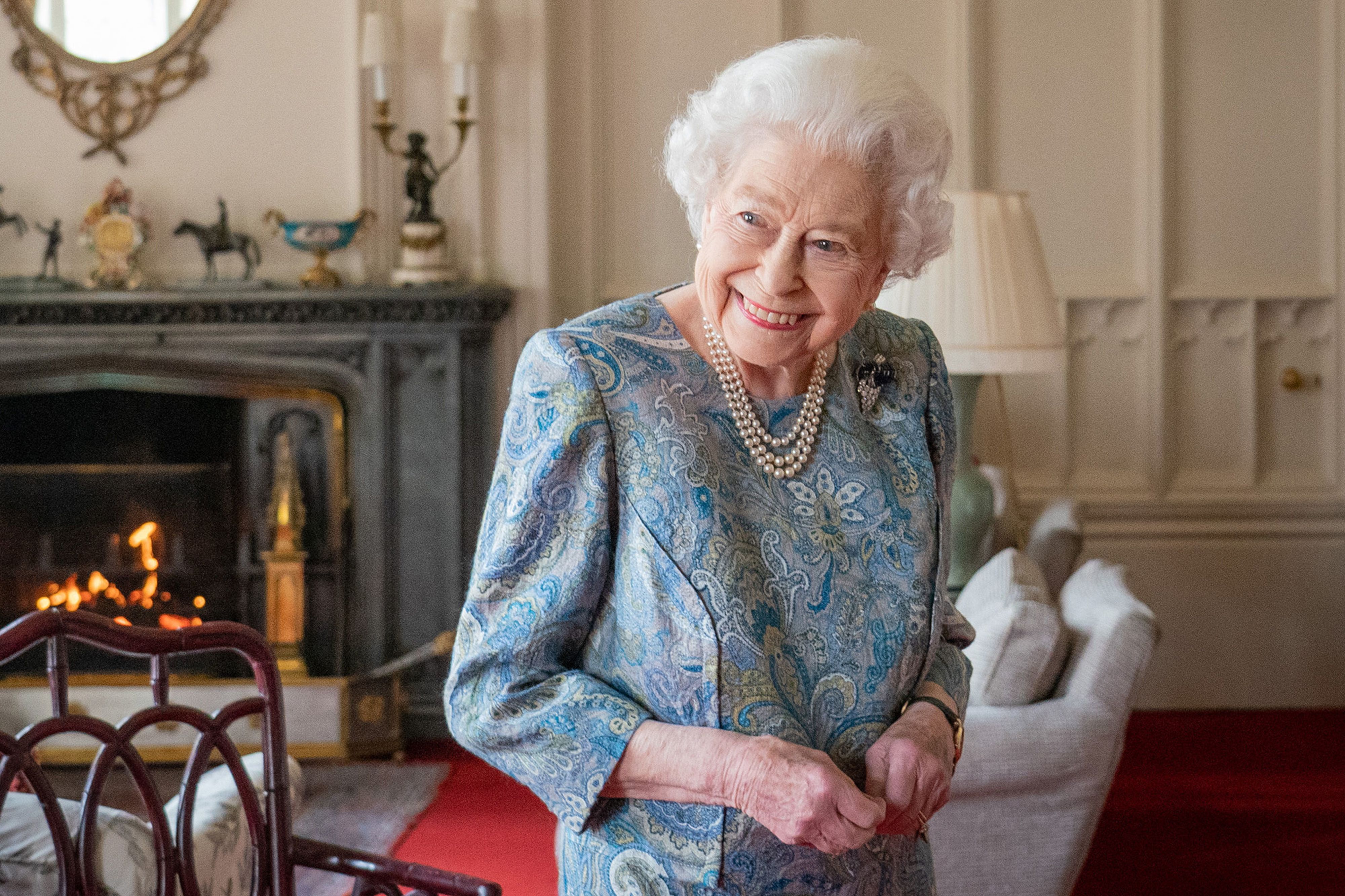
Queen Elizabeth II meets the President of Switzerland at Windsor Castle on April 28, 2022. Getty
Queen Elizabeth II meets the President of Switzerland at Windsor Castle on April 28, 2022. Getty
Little did the public know how soon the clarification would matter.
Just seven months later, after the heat of the summer finally faded, the country marked what former British prime minister Boris Johnson called its “saddest day”.
At the age of 96, Britain’s longest-serving monarch had died.
Here, The National looks back at her final year of service.
The jubilee
The year began with much of the world reeling from the highly-contagious Omicron variant of Covid-19. In the UK, more than 1.2 million cases were recorded within the first week of 2022.
During her annual Christmas broadcast, Queen Elizabeth lamented the loss of her husband, Prince Philip, who died earlier in the year, but spoke of the importance of traditions and celebrating with family.

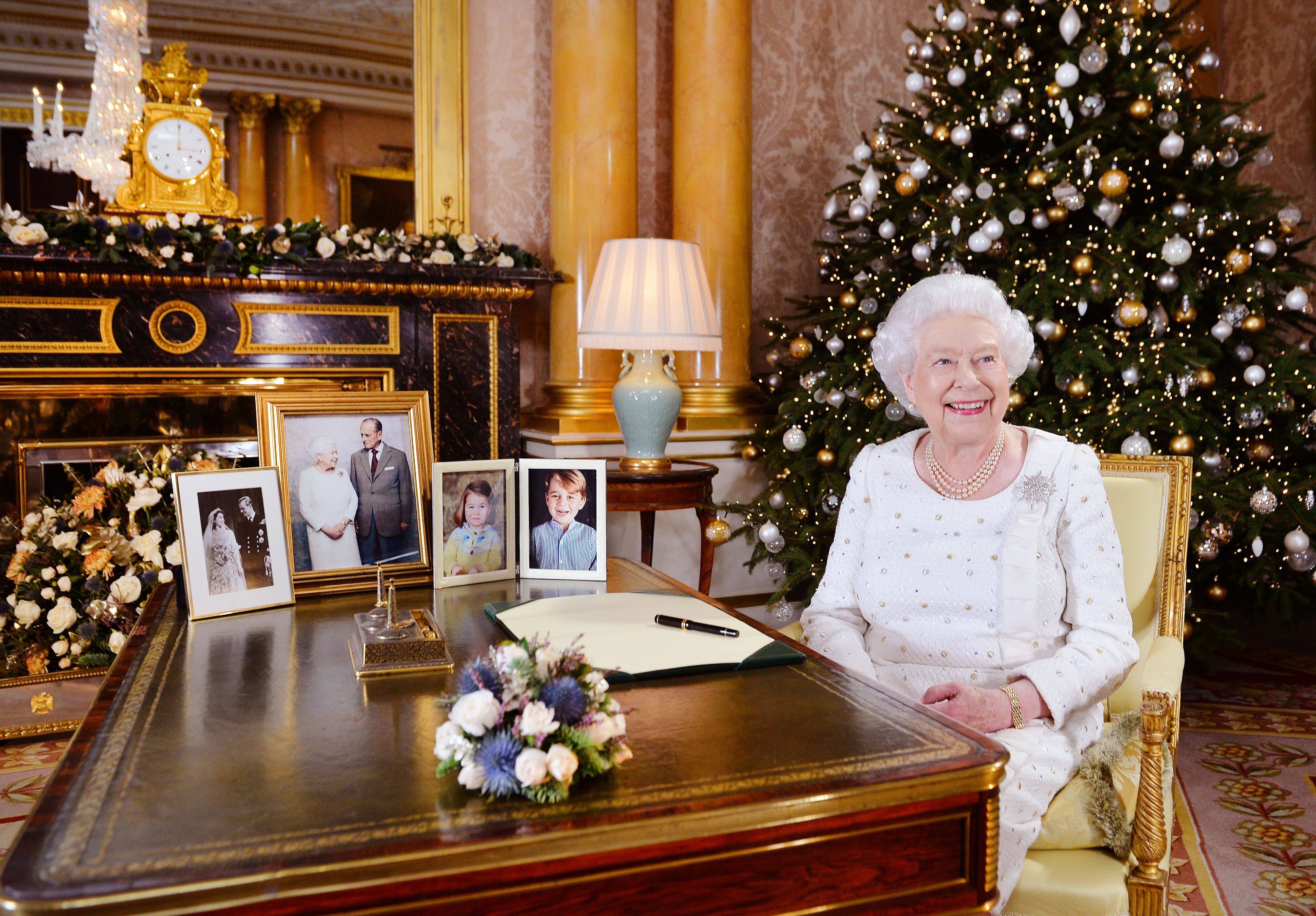
Queen Elizabeth II sits at a desk in the 1844 Room at Buckingham Palace after recording her Christmas Day broadcast at Buckingham Palace, London. Getty
Queen Elizabeth II sits at a desk in the 1844 Room at Buckingham Palace after recording her Christmas Day broadcast at Buckingham Palace, London. Getty
A month prior, she had announced she would be entering a quieter phase of her reign. Although the queen had stepped back from public duties, her presence still loomed large.
Ahead of the official February anniversary of her 70-year reign, she penned a letter to the public.
In it she announced Camilla's future title. She wrote: "I remain eternally grateful for, and humbled by, the loyalty and affection that you continue to give me.
“And when, in the fullness of time, my son Charles becomes king, I know you will give him and his wife Camilla the same support that you have given me; and it is my sincere wish that, when that time comes, Camilla will be known as queen consort as she continues her own loyal service."
In an emotional response, Prince Charles, 73, said he was “deeply conscious of the honour” bestowed on his wife of 16 years.
An estimated 16,000 street parties were held across the country to celebrate the jubilee in June. Councils were flooded with requests by people to celebrate the queen’s 70 years on the throne.

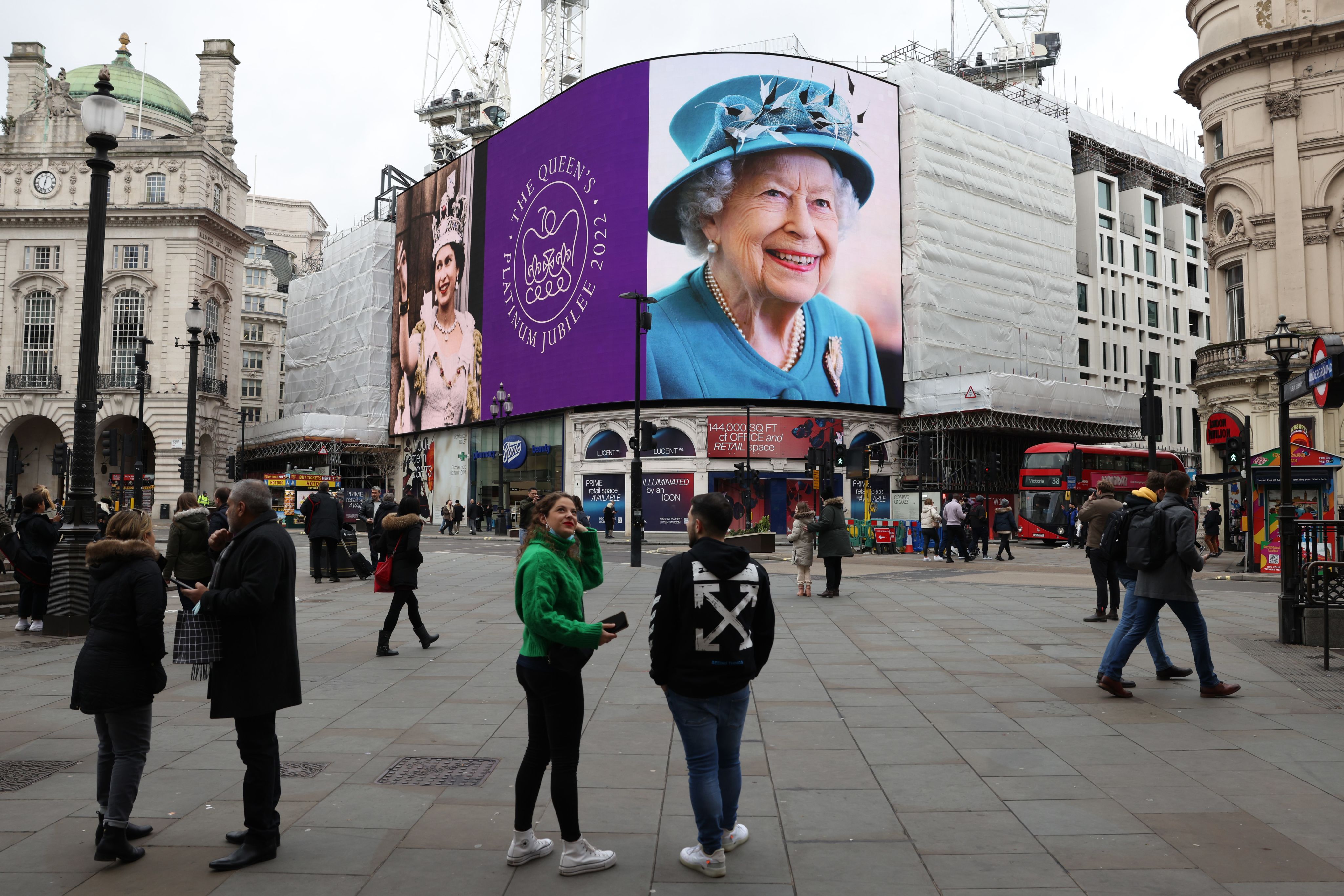
A portrait of Queen Elizabeth II at Piccadilly Circus to mark the platinum jubilee, on February 6, 2022. Getty
A portrait of Queen Elizabeth II at Piccadilly Circus to mark the platinum jubilee, on February 6, 2022. Getty
Roads were closed and schools and businesses shut as the country came to a halt for a four-day bank holiday weekend to mark the milestone.
Never before, and likely never again, had a monarch reigned over the UK for so long.
And for the first, but not the last time in 2022, British pageantry was on full display.
The spectacle included Trooping the Colour, a display of horsemanship and military precision on Horse Guards Parade by the 1st Battalion, Irish Guards and more than 1,200 officers and soldiers from the Household Division as the queen watched on.
The appearance was one of the few she made over the summer.

The decline
Signs that the queen’s health was fading had been apparent for some months before her death.
In late February, she contracted Covid-19, suffering from "mild cold-like symptoms". She cancelled all virtual engagements and was barely seen in public until May.
She missed a planned platinum jubilee church service in June due to physical discomfort.
In July, the queen travelled to Scotland, as usual, but skipped a longstanding tradition to inspect the military at Balmoral Castle, which normally marked the start of her summer holiday.
She held a small private ceremony instead, which was “in line with adapting [her] schedule for her comfort,” said Buckingham Palace.
The monarch also uncharacteristically missed the Braemar Highland Games at the start of September, with reports citing “mobility problems” as the cause.
She was still at Balmoral when Liz Truss was announced as the new leader of the Conservatives and therefore the country's new Prime Minister.

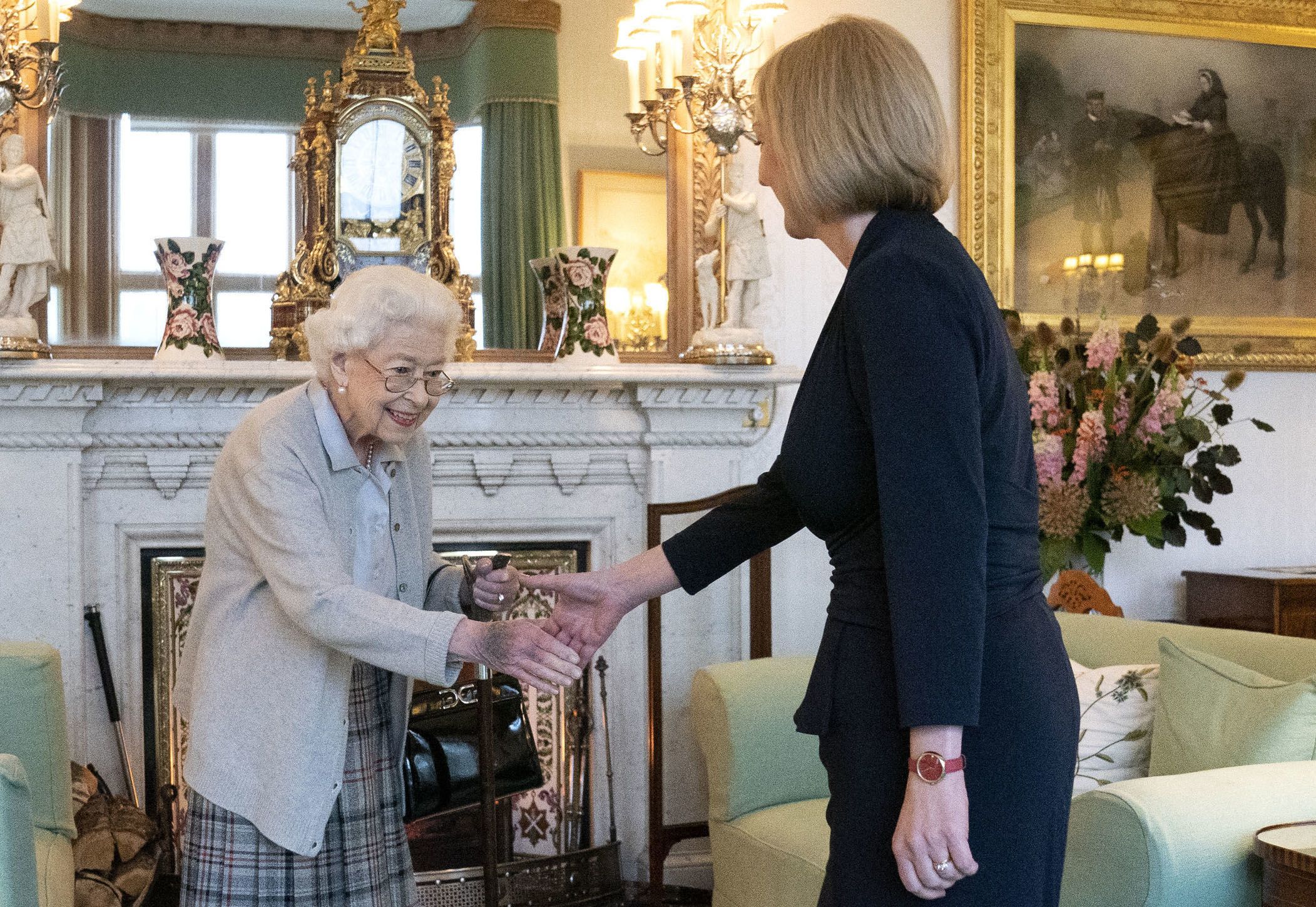
Queen Elizabeth greets newly elected leader of the Conservative party Liz Truss at Balmoral Castle on September 6, 2022, in Aberdeen. Getty
Queen Elizabeth greets newly elected leader of the Conservative party Liz Truss at Balmoral Castle on September 6, 2022, in Aberdeen. Getty
But for the first time during her seven decade-long reign, it was announced that the monarch would not swear in the new prime minister – her 15th – at Buckingham Palace.
She had been scheduled to travel back to London but the plan was later changed.
Instead, the traditional first meeting was conducted at Balmoral.
Royal sources said the move was made to avoid having to make further alternations in the schedule in case the queen developed mobility issues.
When pictures emerged of the audience, the queen appeared frail, using a cane and sporting a large bruise on her right hand. It would be her final royal engagement.
Just two days later, on September 8, BBC One suspended regular programming as news presenters changed into black clothing to make a sombre announcement.
Doctors had become concerned for the queen’s health, they said.
Her death was announced a few hours later, at 6.30pm that evening.

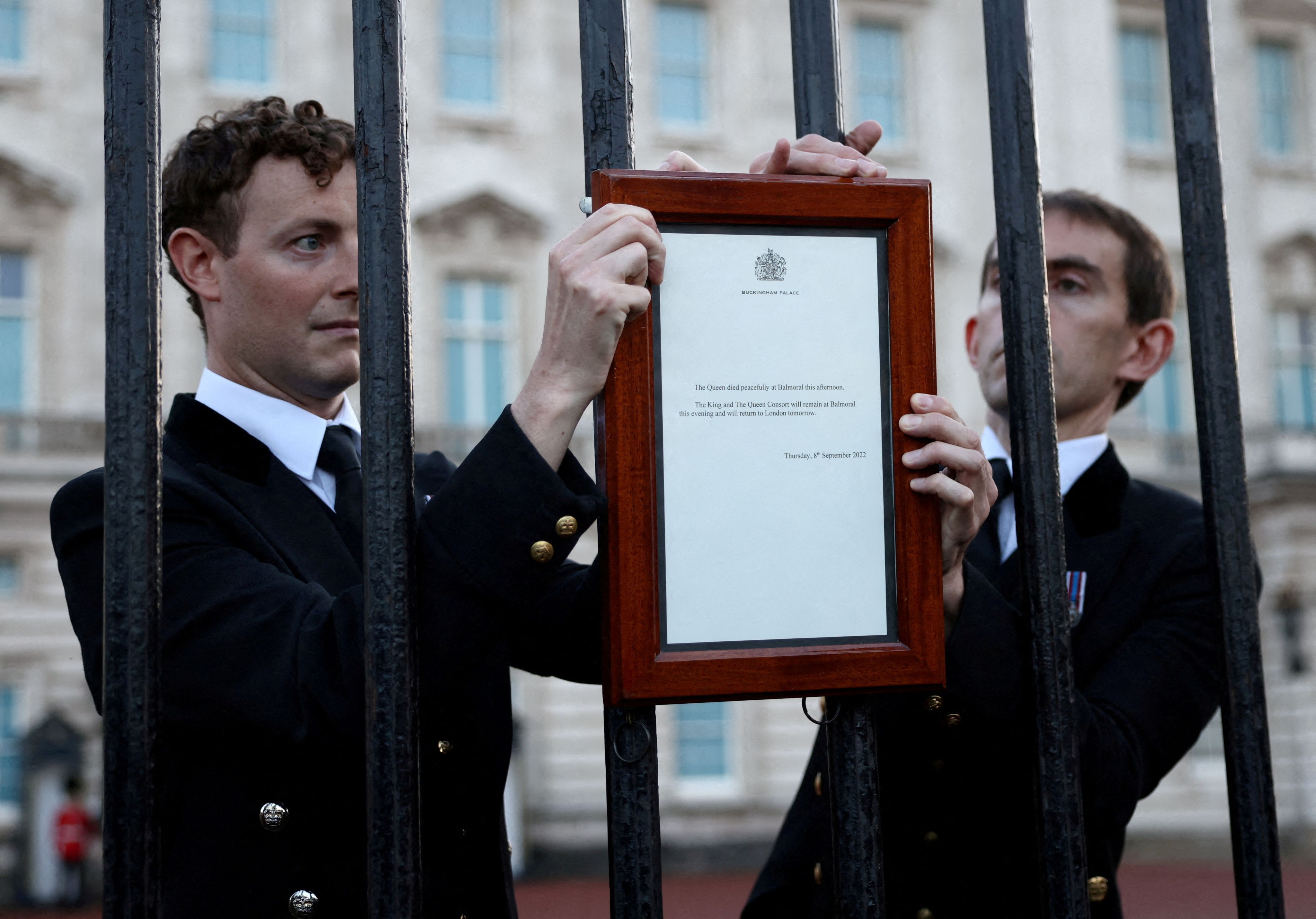
Personnel place a sign announcing the death of Queen Elizabeth II on a fence outside Buckingham Palace on September 8, 2022. Henry Nicholls / Reuters
Personnel place a sign announcing the death of Queen Elizabeth II on a fence outside Buckingham Palace on September 8, 2022. Henry Nicholls / Reuters
She died at 3.10pm with the now King Charles and her only daughter, Princess Anne, by her bedside, as other family members made their way to Scotland.
“Her death was something we were trying to will ourselves into thinking it wasn’t going to happen,” said royal commentator Richard Fitzwilliams.
“Her legacy was truly unique. She was remarkable, the way she was to the end a symbol of duty and unity.”
Former prime minister, Boris Johnson, who had been ousted days previously, summed up the mood of a nation, when he said: “In the hearts of every one of us there is an ache at the passing of our Queen, a deep and personal sense of loss — far more intense, perhaps, than we expected.”

The funeral
In London, where the queen lived most of her life, piles of flowers were laid in front of Buckingham Palace, at Green Park and Hyde Park.
The sites were also flooded with hundreds of Paddington Bear teddies in honour of a short film released as part of the jubilee celebrations, where the pair had tea together and discussed their love of marmalade sandwiches.
Her death in Scotland triggered Operation Unicorn – the codename for the plan if the monarch died at Balmoral.
And on Sunday, September 11, the queen’s cortege began its sombre journey south.
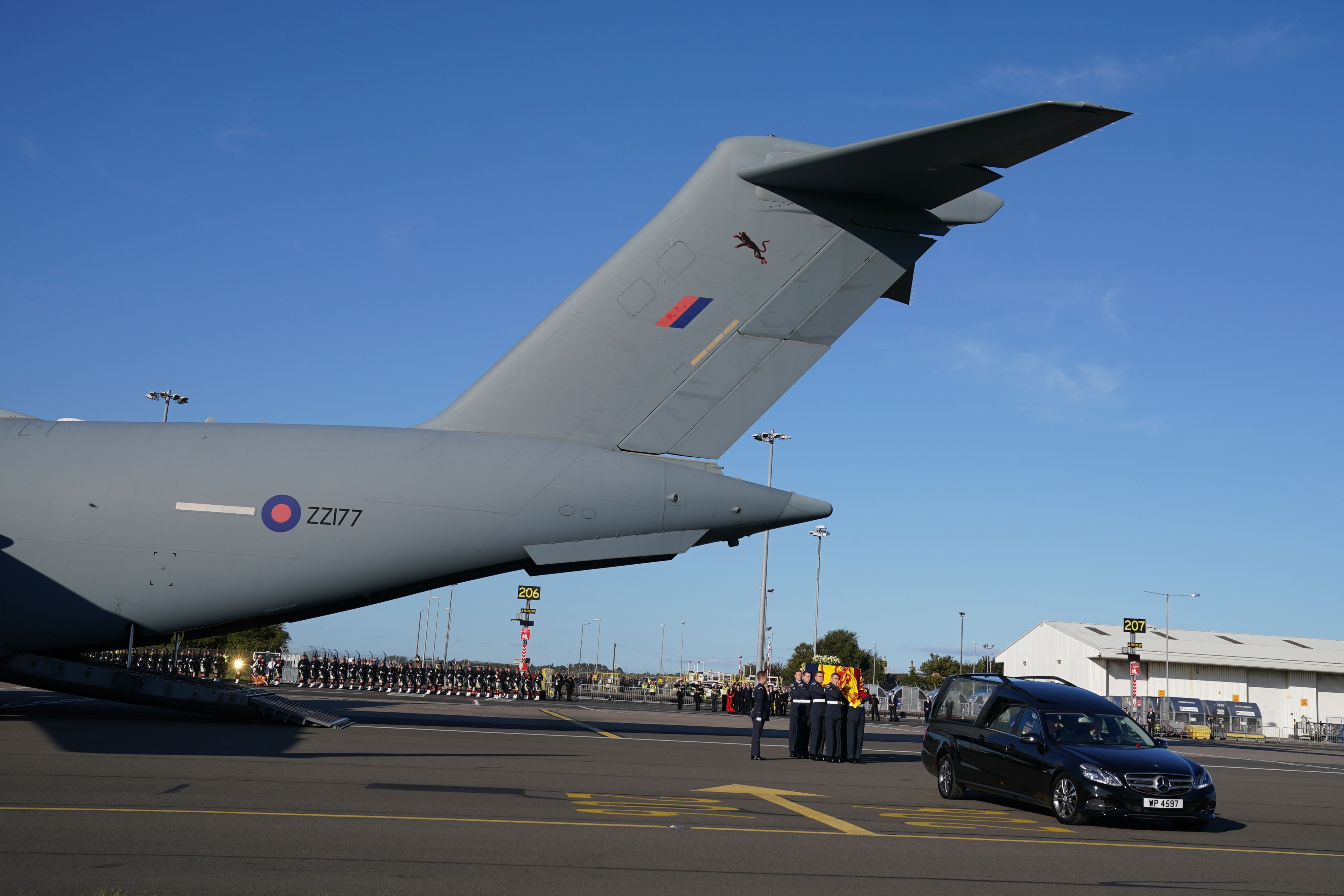
The coffin of Queen Elizabeth II at Edinburgh Airport from where it will be flown by the RAF to London, on September 11, 2022. PA
The coffin of Queen Elizabeth II at Edinburgh Airport from where it will be flown by the RAF to London, on September 11, 2022. PA
Tractors and horse riders joined members of the public lining the route to pay their respects as the cortege, accompanied by Princess Anne, made the six-hour journey from Balmoral to Edinburgh.
It is estimated that 25,000 people lined the streets as it made its way to the Scottish capital.
The queen’s children, led by the current monarch, King Charles III, walked in procession behind the queen’s coffin as it made its way to St Giles' Cathedral.
After lying in state for 24 hours, the queen left her beloved second home of Scotland for the final time, flying to RAF Northholt shortly after 5.30pm.
Her coffin, draped in the royal standard, was removed from the plane by a bearer party and placed in the state hearse for the cortege’s journey to Buckingham Palace.
Crowds lined the streets in the dark and rain to catch a glimpse of the illuminated hearse as it made its way to her official residence.

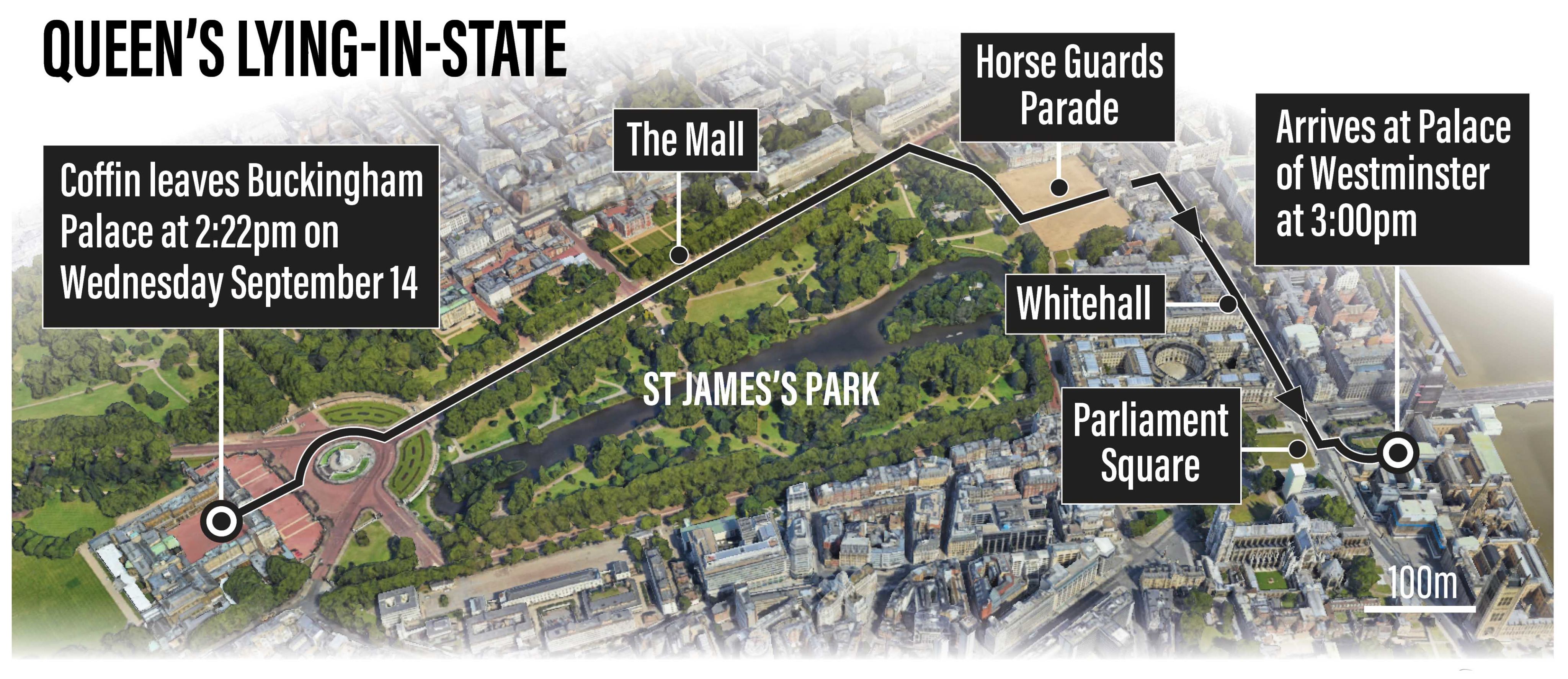
The coffin was later taken to lie in state at Westminster Hall, where around 250,000 people lined up in “the queue”, as it came to be known, to file past and pay their respects.
At its longest, the wait time was more than 24 hours.
A live queue tracker was launched by the government to provide updates, and the Met Office issued the line its own weather forecast.
Chrissy Heerey, the final person to see the queen’s coffin, called the experience “one of the highlights of her life”.
"I was the last person to pay my respects to the Queen and it felt like a real privilege to do that. I'd already been round once, I went in at 1.15am this morning. It's one of the highlights of my life and I feel very privileged to be here," she said.

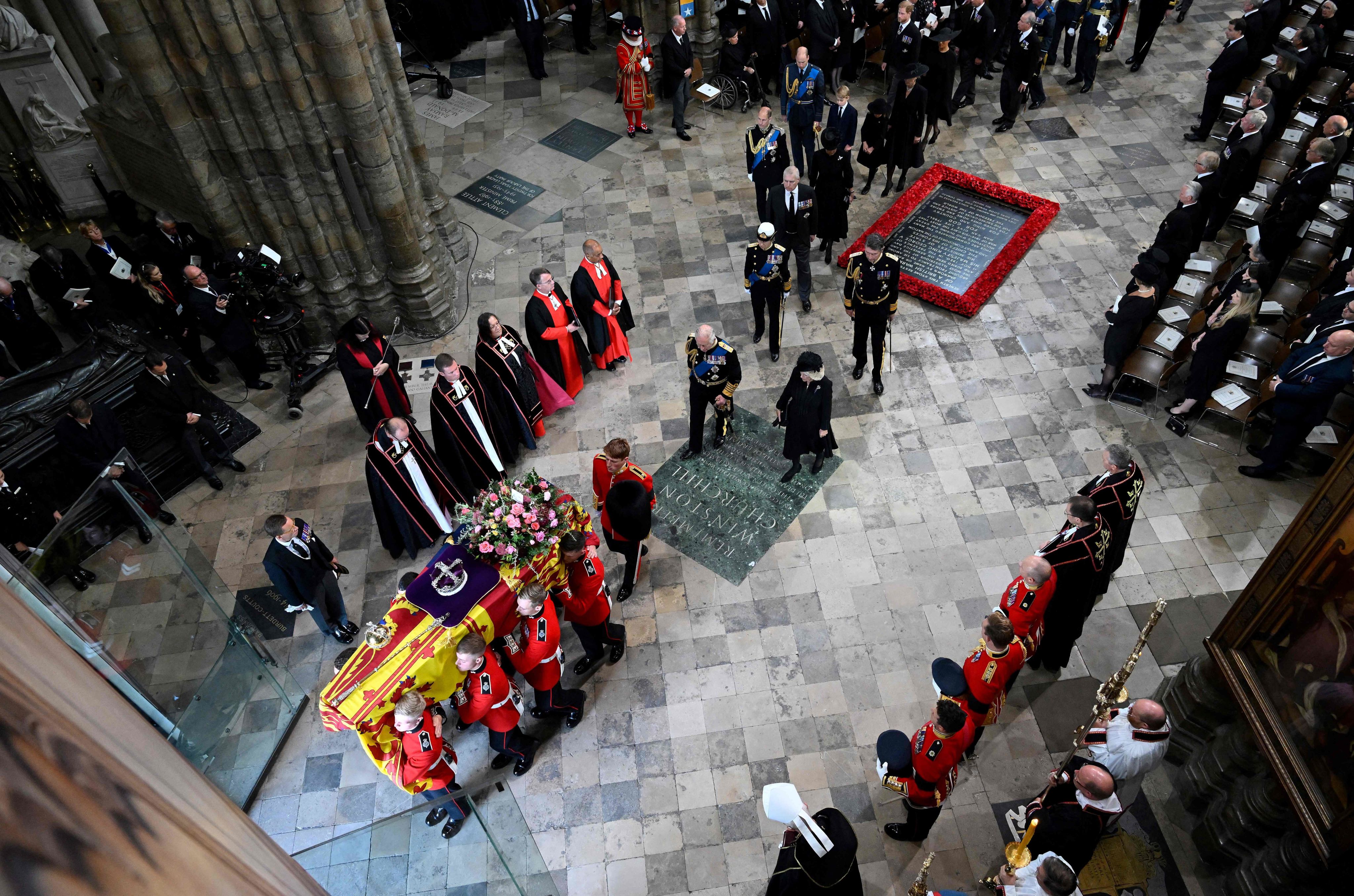
The queen's coffin is carried out of Westminster Abbey on September 19, 2022. AFP
The queen's coffin is carried out of Westminster Abbey on September 19, 2022. AFP
The queen’s state funeral was held in Westminster Abbey, with full British pomp and ceremony, in a service attended by around 2,000 people, including representatives from 168 countries, 18 monarchs, 55 presidents and 25 prime ministers.
Thousands of people filled the streets to get a last glimpse of the queen as the cortege made its final journey to Windsor for the burial.
Dozens of members of the royal household gathered outside the palace to bid farewell to the queen, bowing and curtsying as the cortege passed by.
Thousands lined the route once again, in scenes reminiscent of Scotland, as her coffin travelled south.

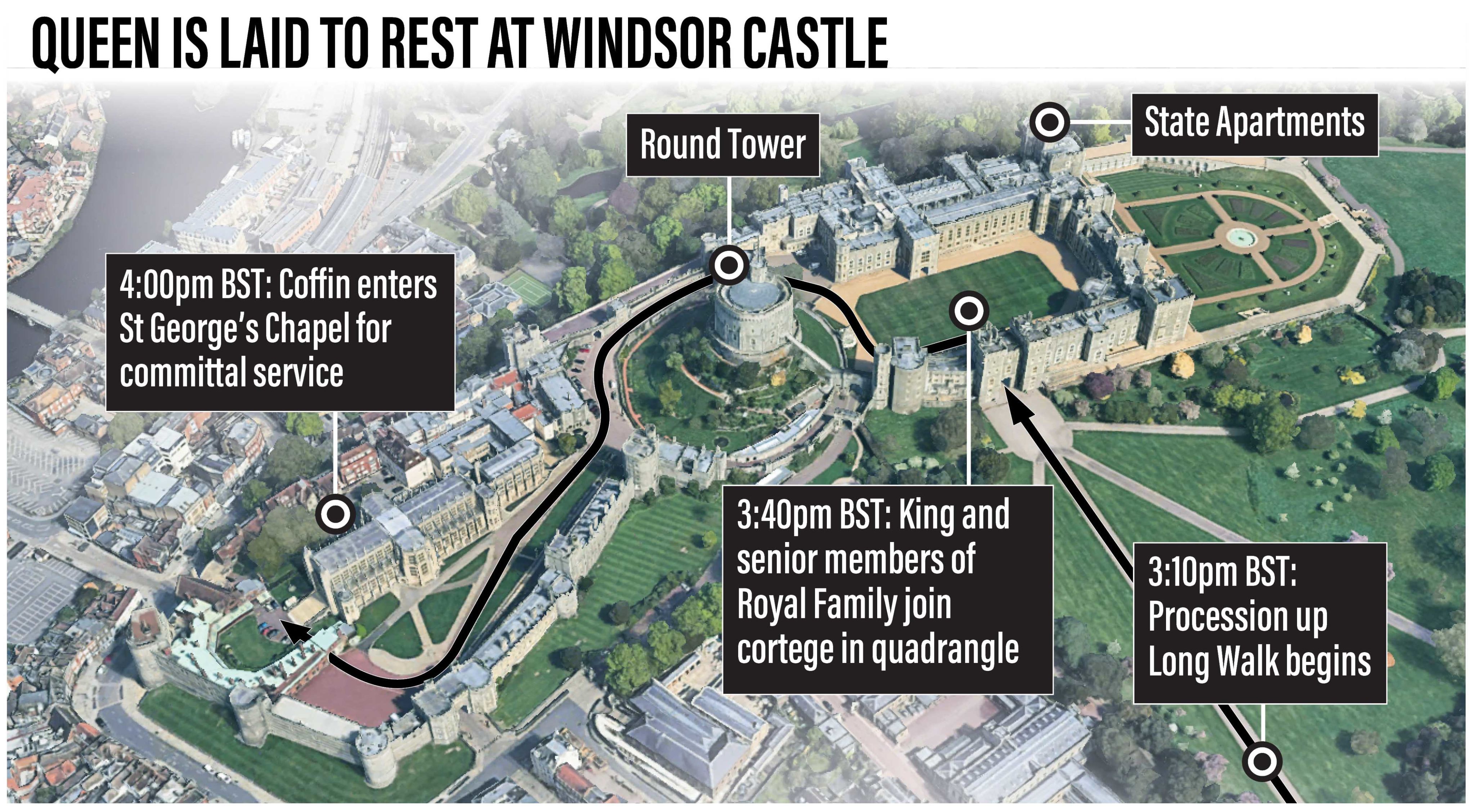
Crowds fell silent as the state hearse turned into the Long Walk in Windsor for the final stretch of the journey.
It came to a stop at the west steps of St George's Chapel, where a bearer party lifted the queen’s coffin and carried it up the steps for a committal service.

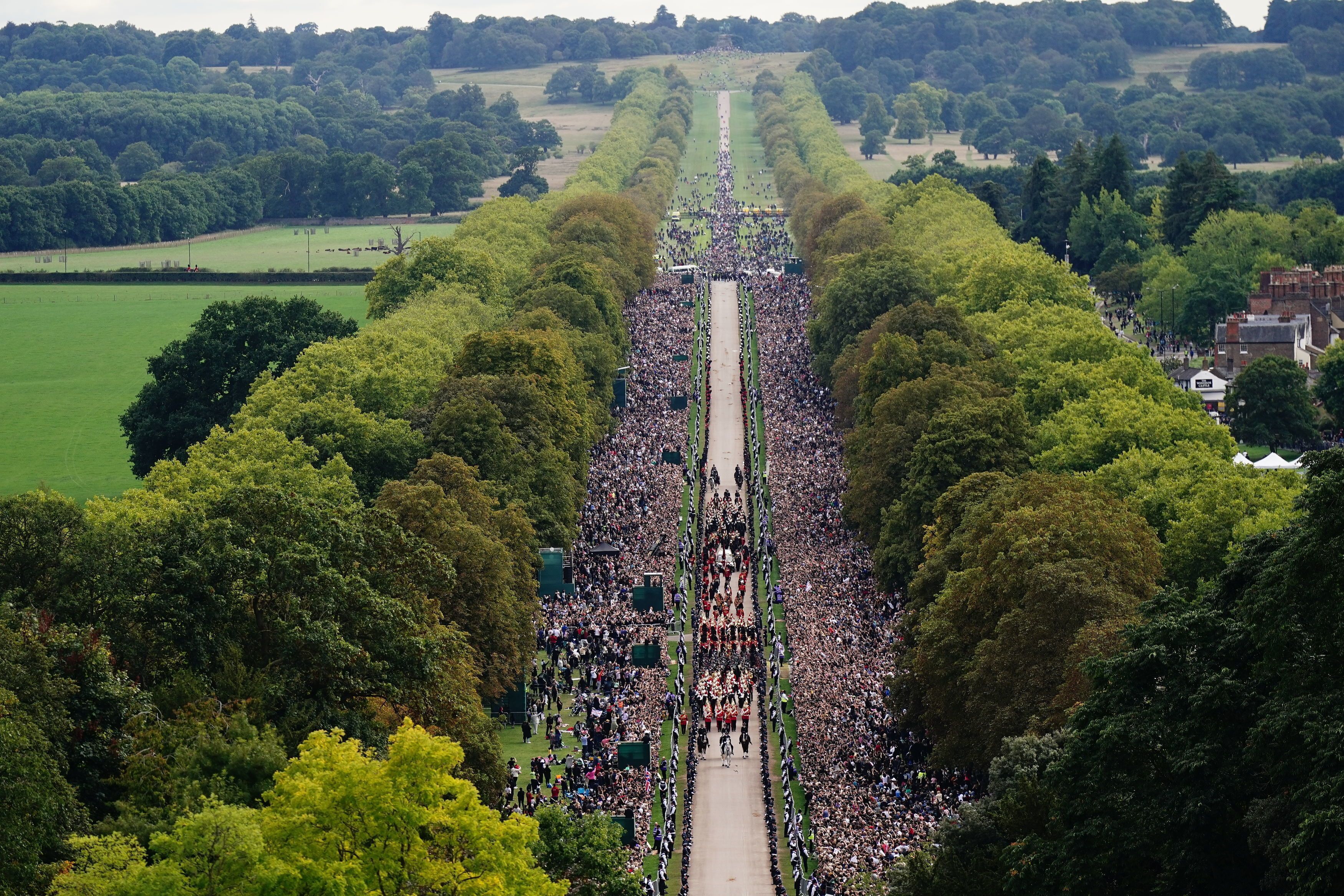
The queen's coffin travels down the Long Walk as it arrives at Windsor Castle on September 19, 2022. AP
The queen's coffin travels down the Long Walk as it arrives at Windsor Castle on September 19, 2022. AP
And in the final act of pageantry, the head of the queen’s household ceremoniously snapped his wand of office and placed it on her coffin, symbolically bringing the queen’s 70-year reign to an official end, at 4.57pm on September 19.
“The images of the Queen’s Funeral, in Edinburgh, London and Windsor will become part of our nations iconography,” Mr Fitzwilliams told The National.
“People will remember where they were when they heard of her death and a great many paid their respects as thousands filed past her coffin in Westminster Hall.

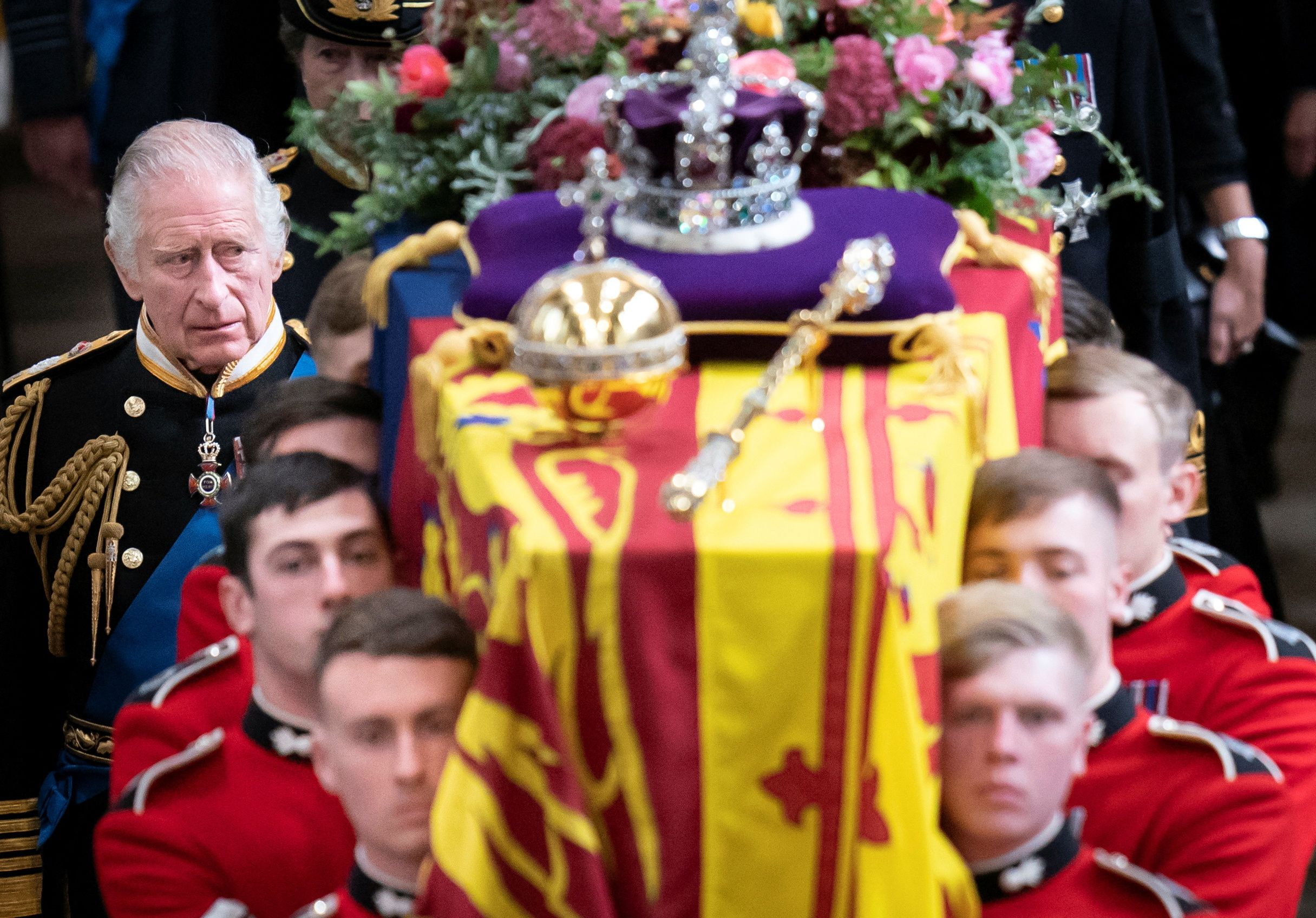
King Charles follows the coffin of Queen Elizabeth II as it is carried out of Westminster Abbey after her state funeral on September 19, 2022. Reuters
King Charles follows the coffin of Queen Elizabeth II as it is carried out of Westminster Abbey after her state funeral on September 19, 2022. Reuters
“Buckingham Palace too became a place of pilgrimage to honour a figure who seemed timeless and who has a special place in the nation’s affections and its collective memory.”
A lifetime’s duty finally over, the crown had already passed automatically to the queen’s eldest son at the moment of her death.
But from the earliest days of his reign, King Charles III appeared to be shaping up to be a very different monarch to his mother.
In less than a week after acceding to the throne, he had lost his cool in front of the cameras twice, betraying more emotion in days than his mother did in her entire seven decades-long reign.

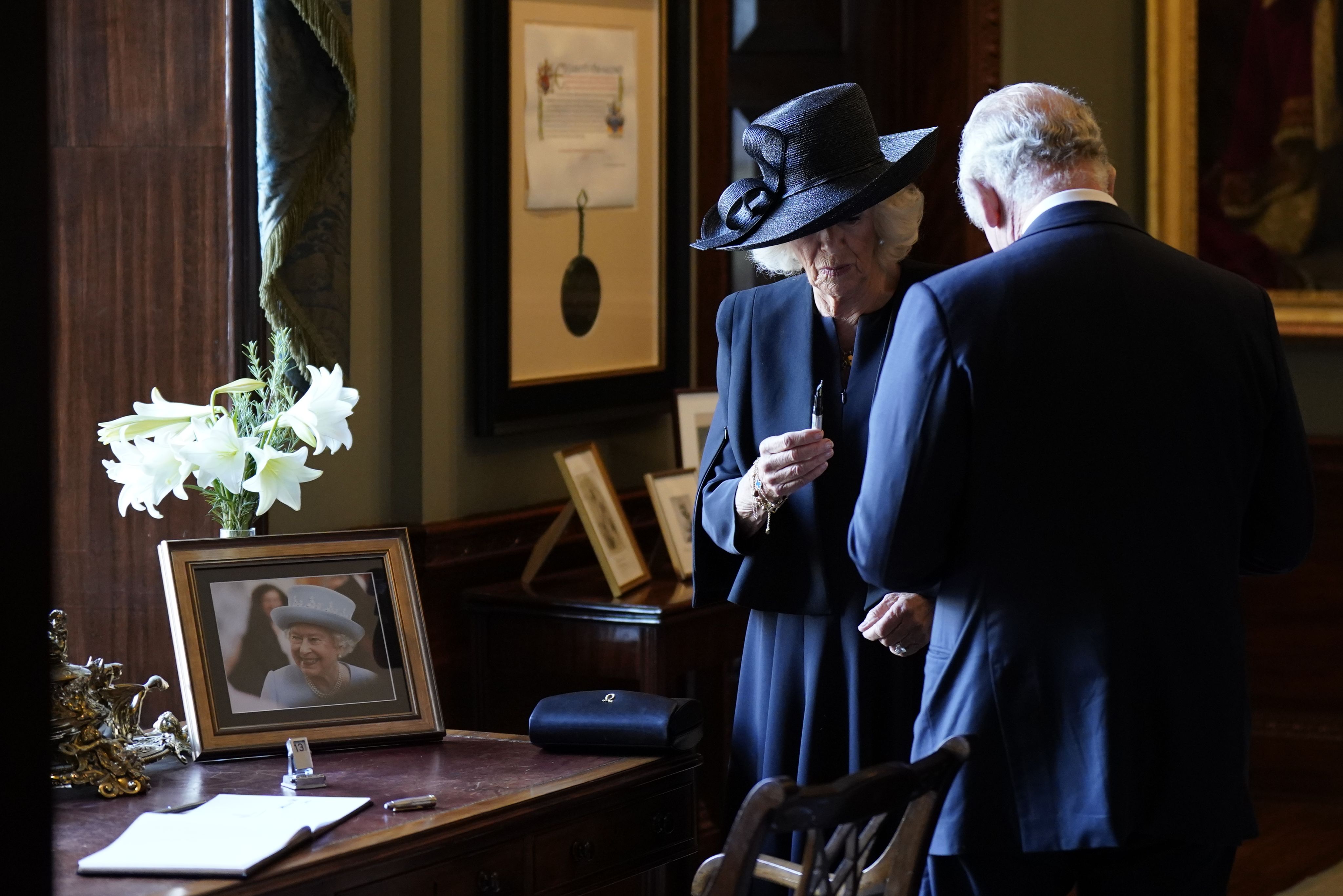
King Charles III and the queen consort have problems with a pen as they sign the visitors book at Hillsborough Castle on September 13, 2022. PA
King Charles III and the queen consort have problems with a pen as they sign the visitors book at Hillsborough Castle on September 13, 2022. PA
“Oh golly… Oh God, I hate this,” he said, as his pen began to leak while signing a visitors book at Hillsborough Castle, near Belfast in Northern Ireland.
The scene had echoes of four days earlier, when he became irritated at the accession council, waving his hands to aides to move a pen holder and pens, which were in his way.
Within days, the king and queen consort retreated to Scotland to grieve in private, leaving the public to come to terms with the loss of a monarch who ruled longer than most of them had lived.
The year was nothing short of extraordinary, showcasing the “the best of British”, said Ingrid Seward, editor-in-chief of Majesty Magazine.
“First the stunning ceremonial performances surrounding the Platinum Jubilee and the joy of the whole country coming together in mutual celebration of our 96-year-old Monarch.
“Then the sadness and emotion of the Queen’s state funeral.
“This kind of dramatic, measured ceremony - including the scenes in Scotland - had never been witnessed before. The combination of all kinds of people united in grief and love was remarkable.
“The country felt unified and it is particularly sad this patriotic feeling fails to have any enduring legacy.”

Key moments: 70 years of Queen Elizabeth II
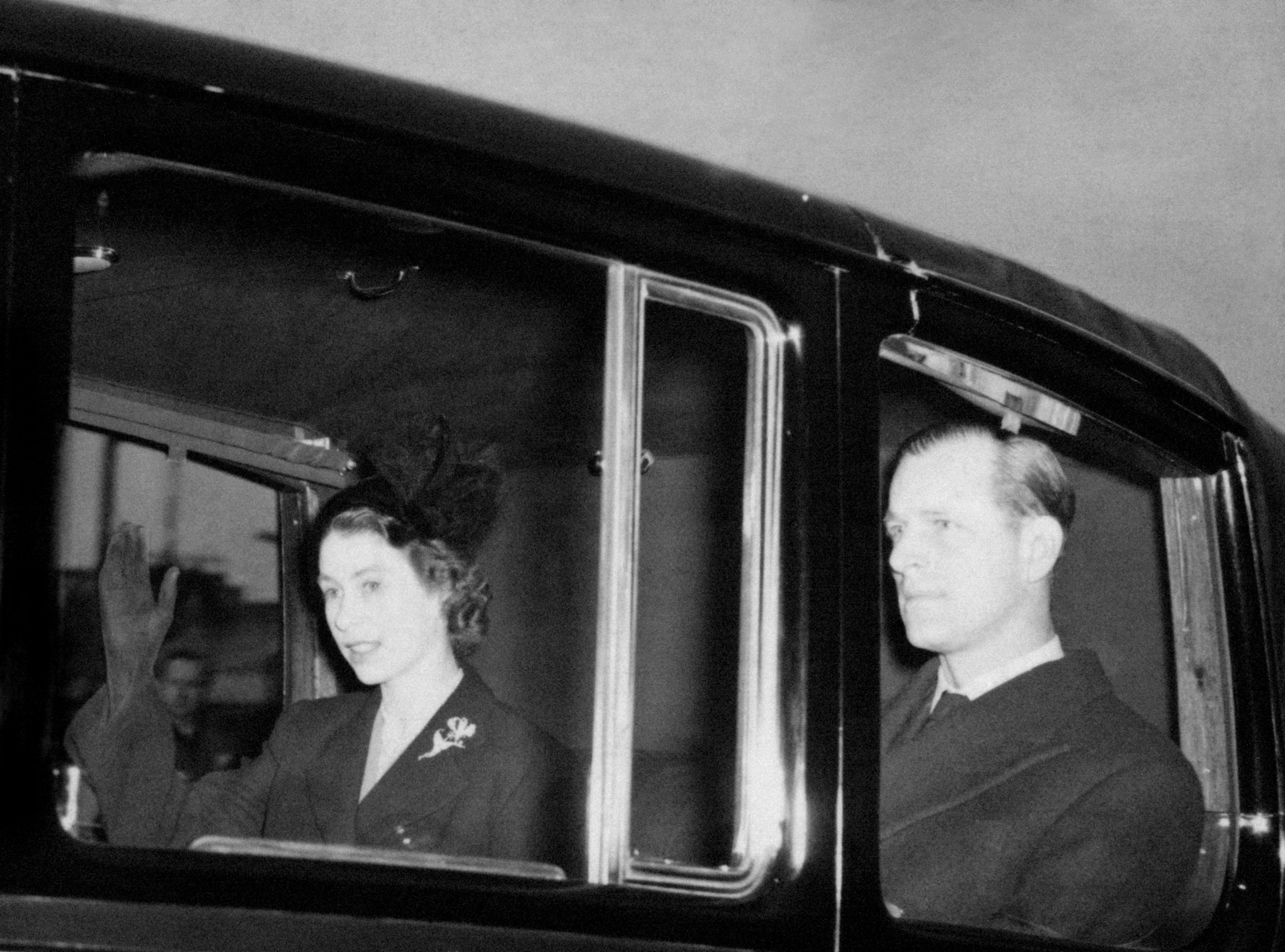
1952
George VI dies and Princess Elizabeth becomes queen, aged 25, while on a visit to Kenya
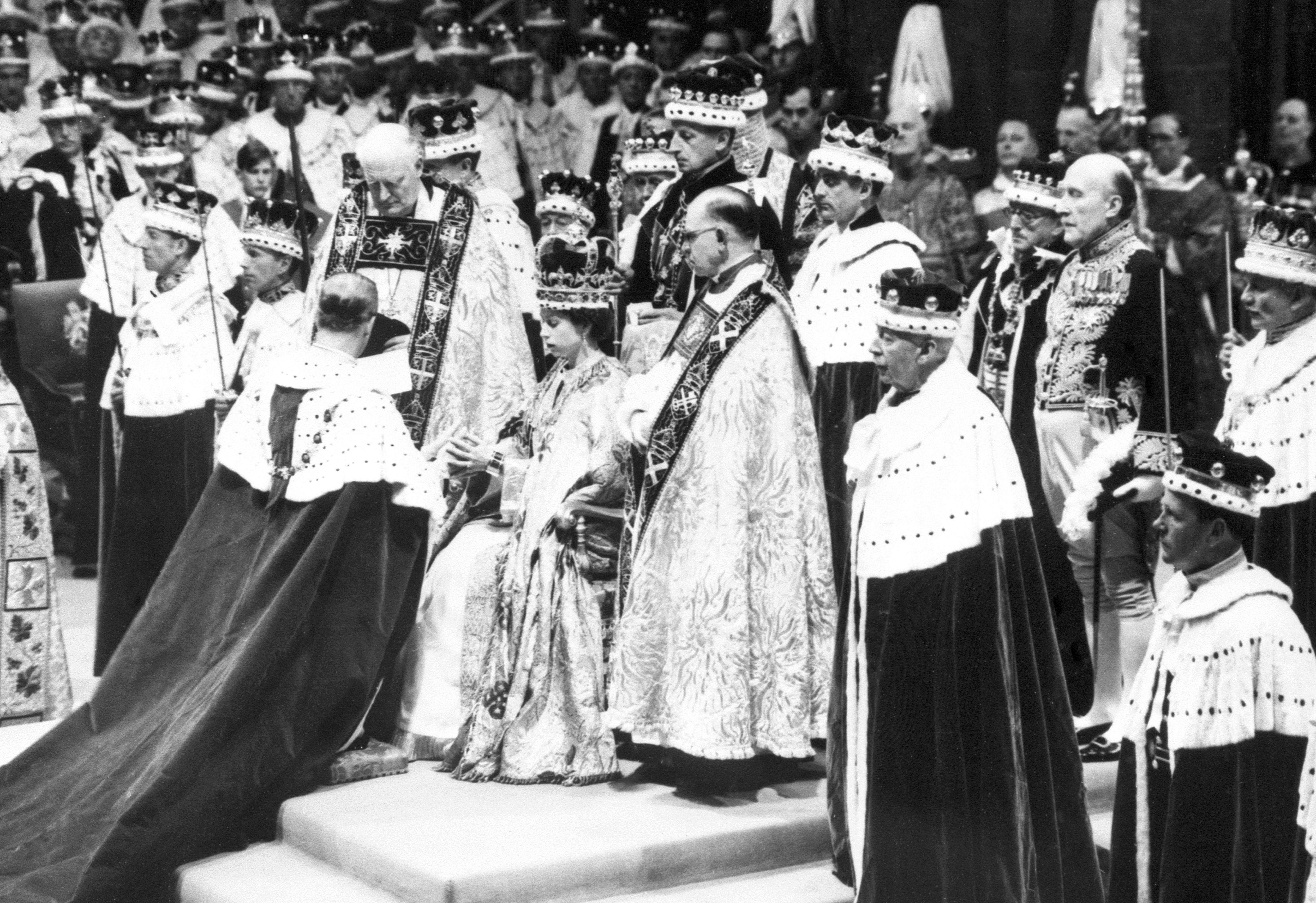
1953
The queen's coronation takes place at Westminster Abbey as millions watch on TV
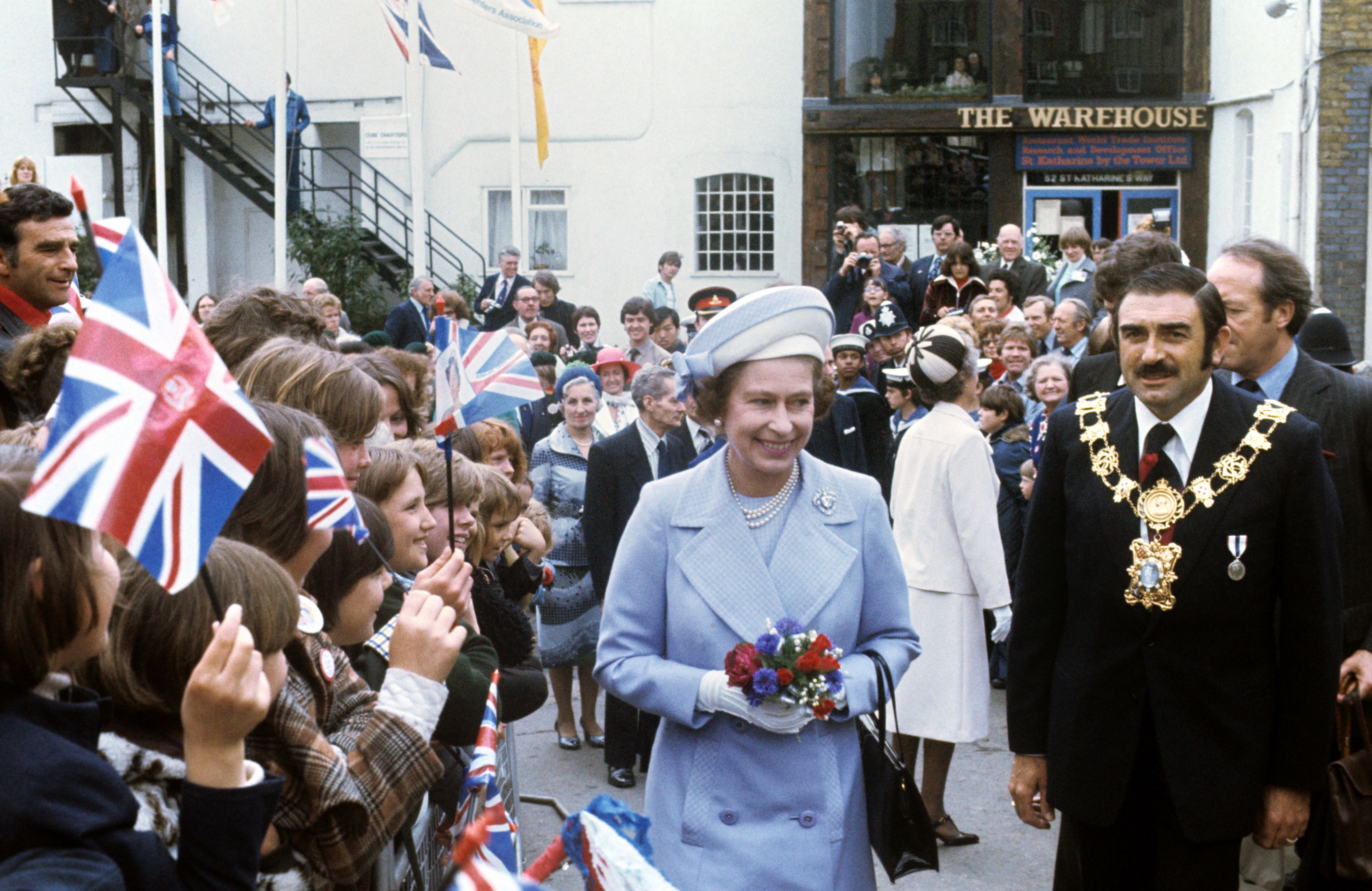
1977
The queen celebrates her silver jubilee and becomes a grandmother for the first time
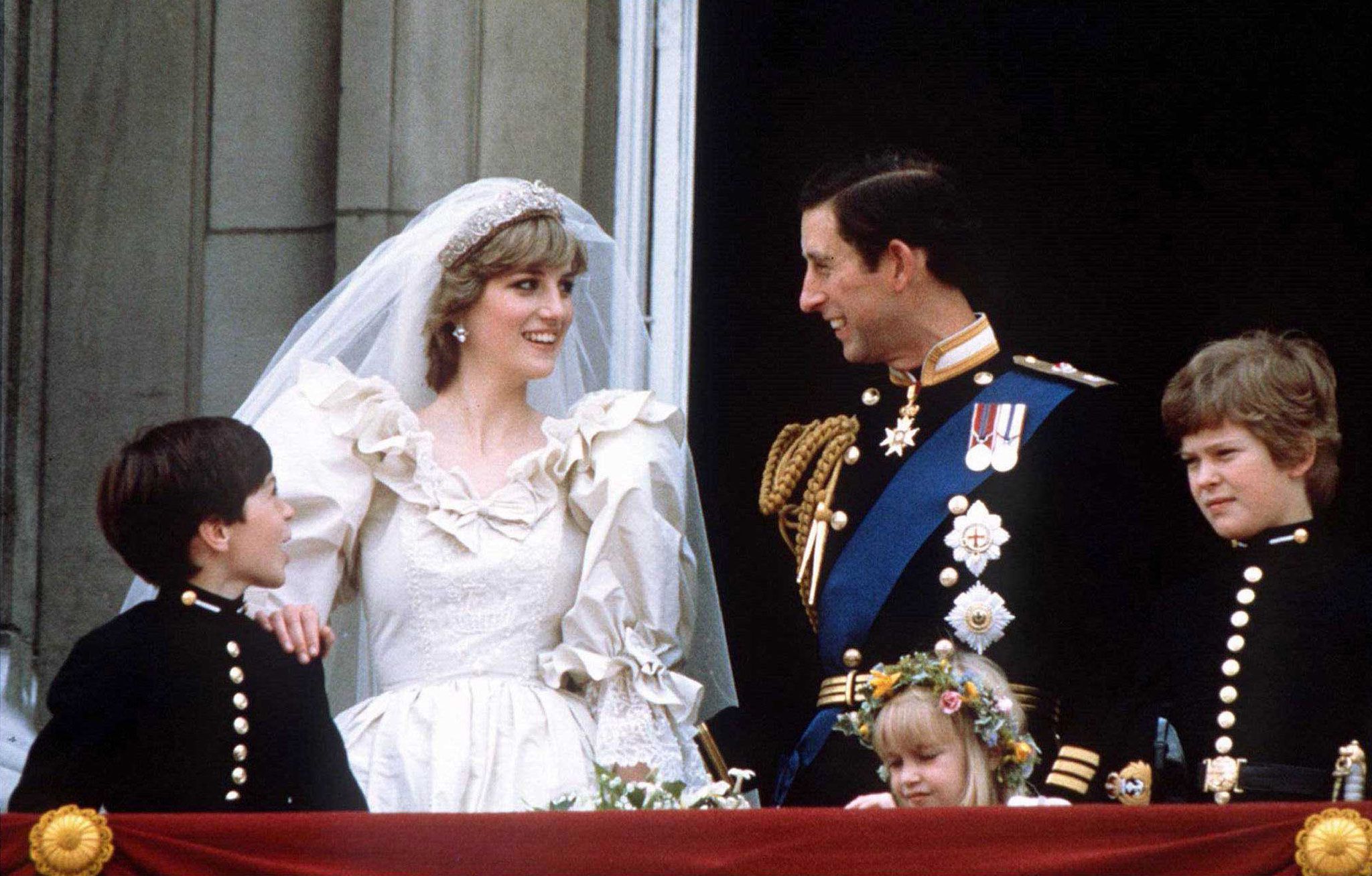
1981
Prince Charles, her heir apparent, weds Lady Diana Spencer at Westminster Abbey
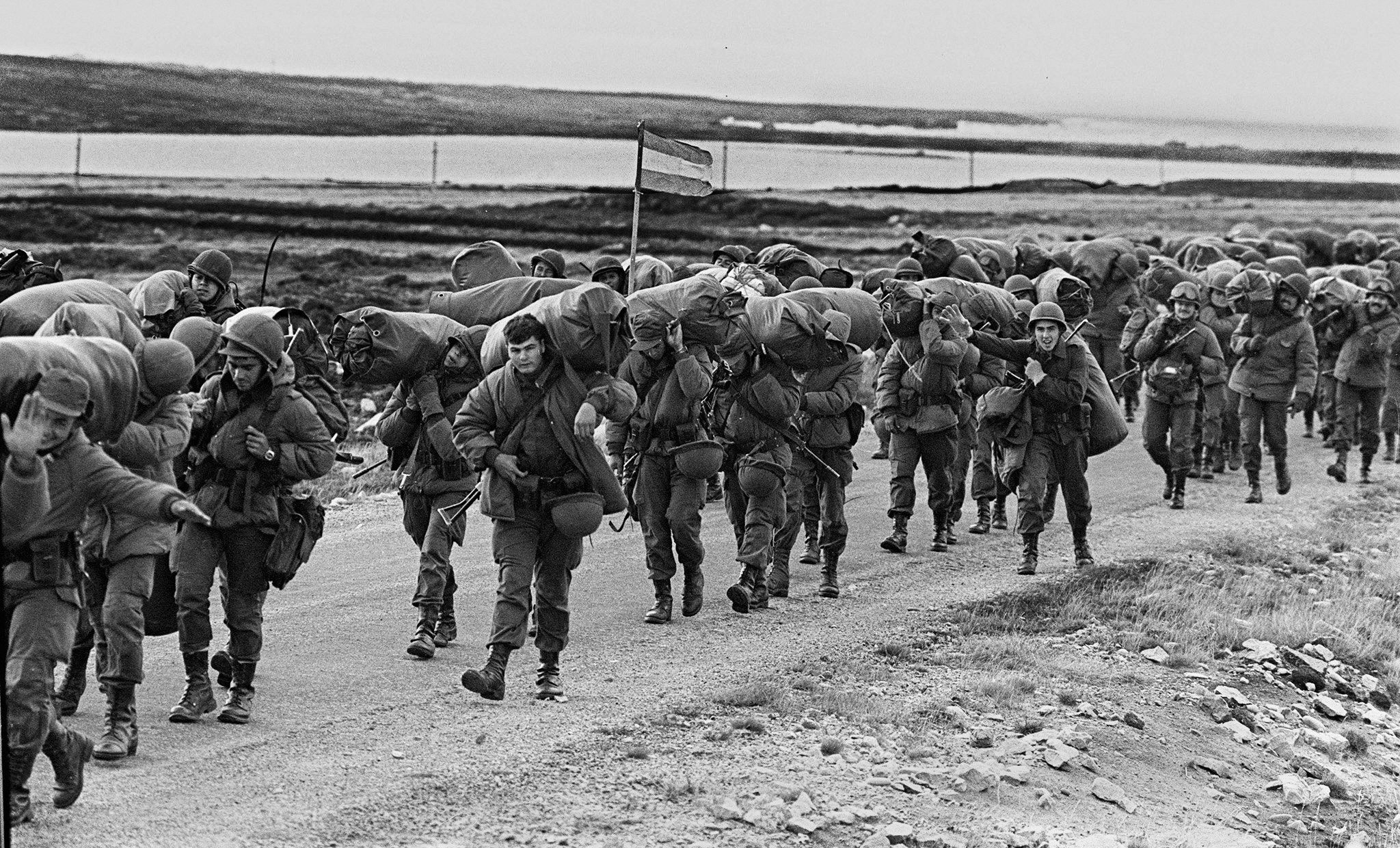
1982
The Falklands War breaks out and her son, Prince Andrew, is among those serving
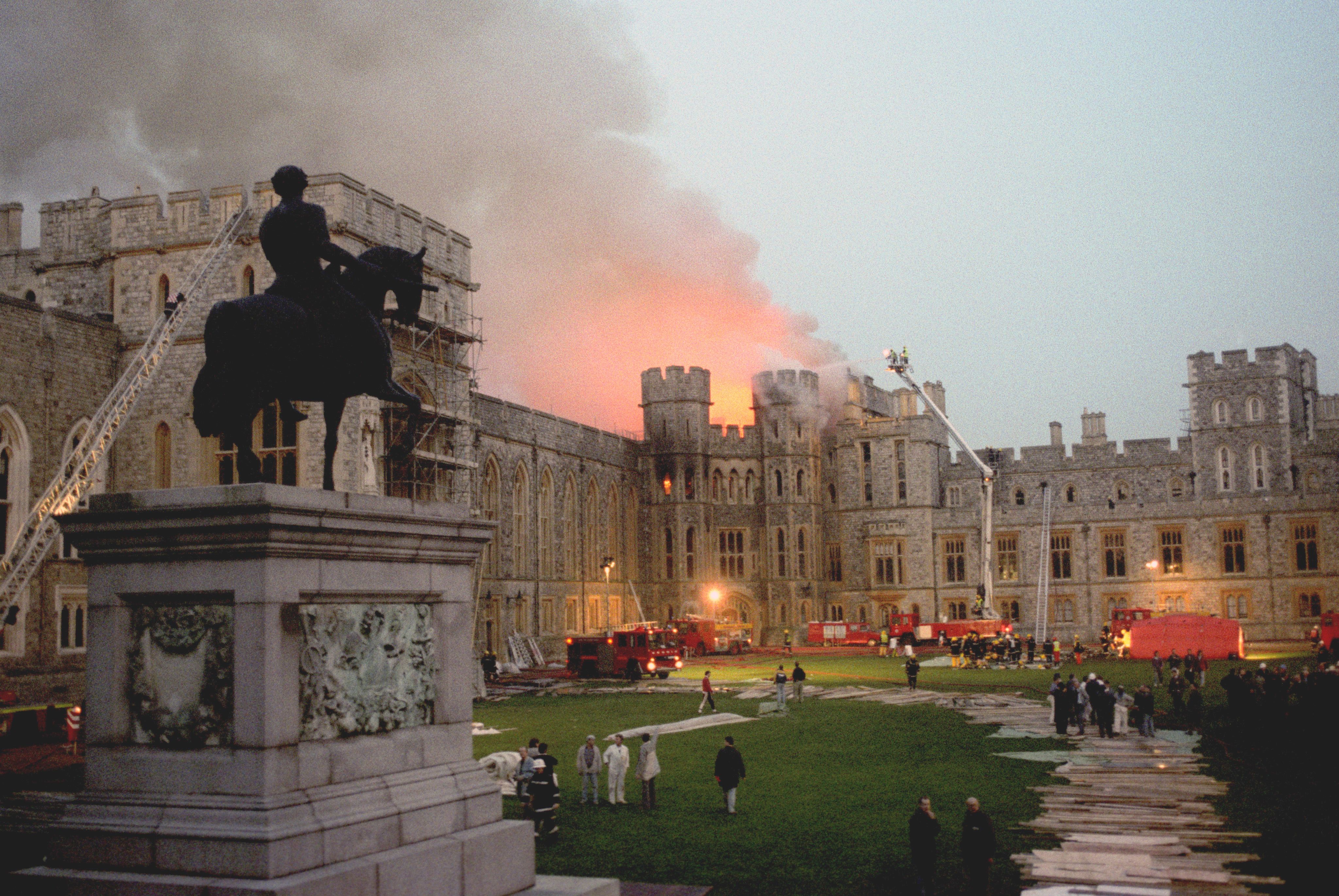
1992
Windsor Castle, the queen's primary residence, goes up in flames
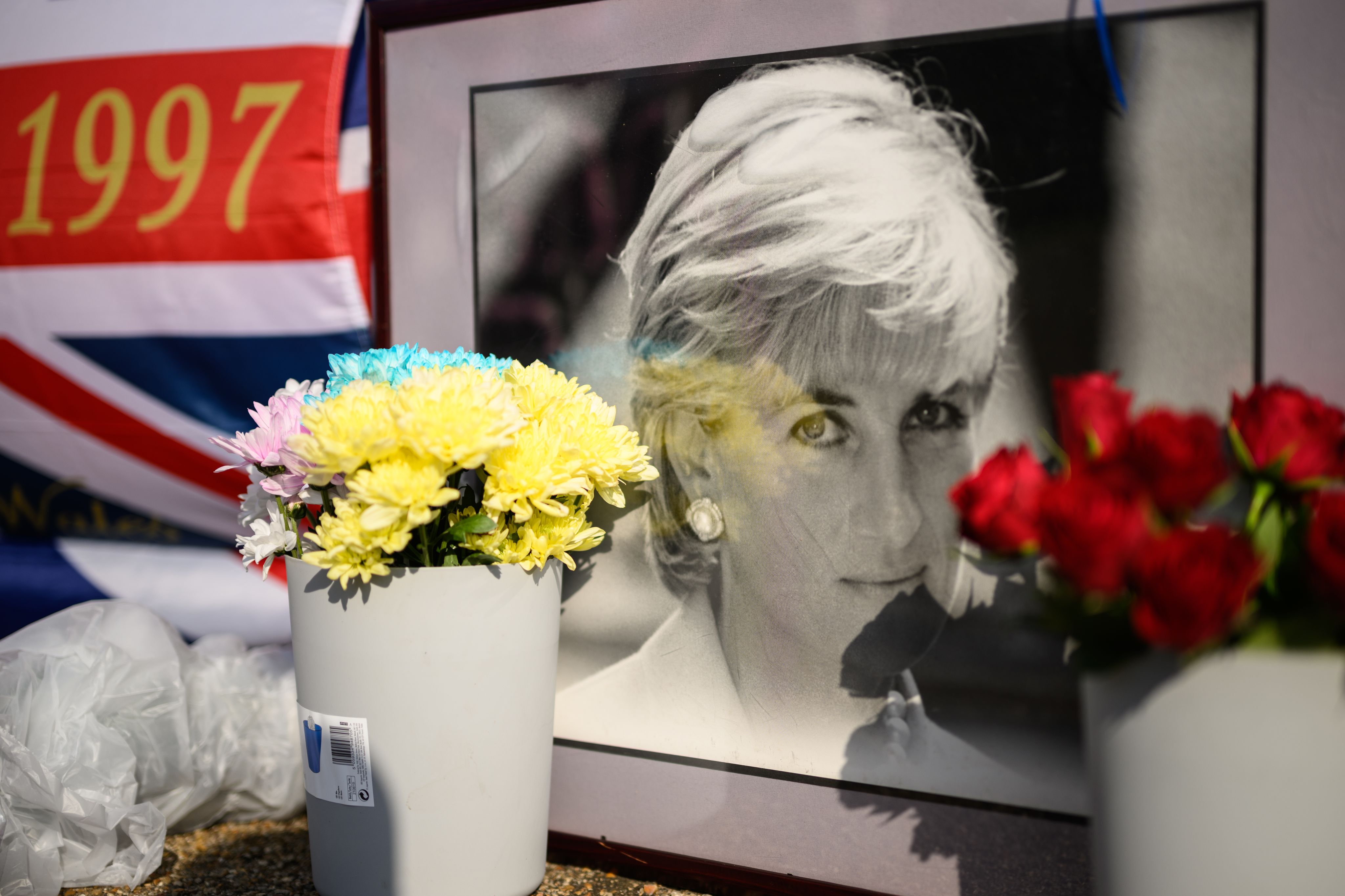
1997
Princess Diana dies in a car crash in Paris, a year after her and Prince Charles divorced
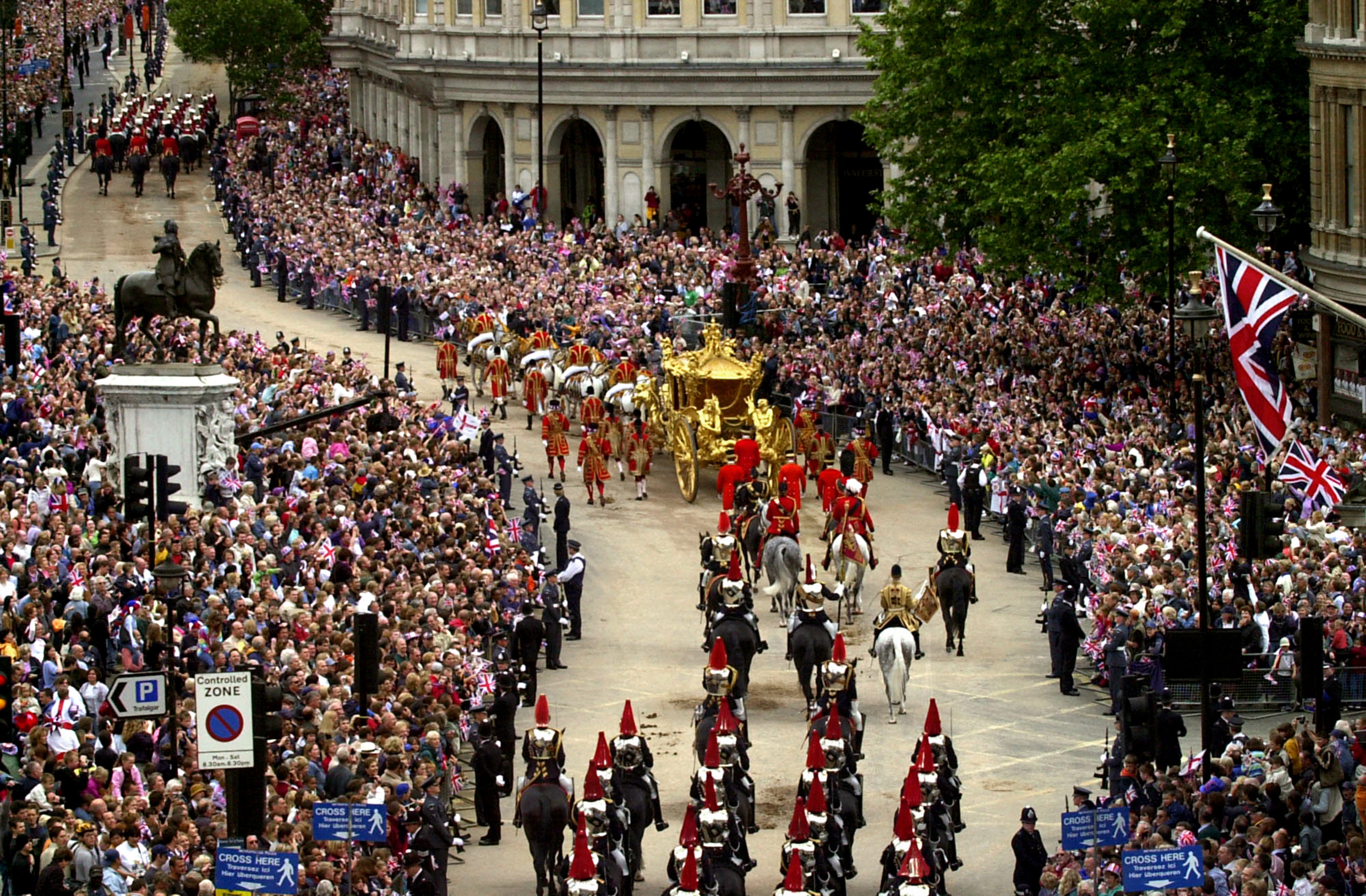
2002
The queen celebrates her golden jubilee year, but the Queen Mother and Princess Margaret die the same year
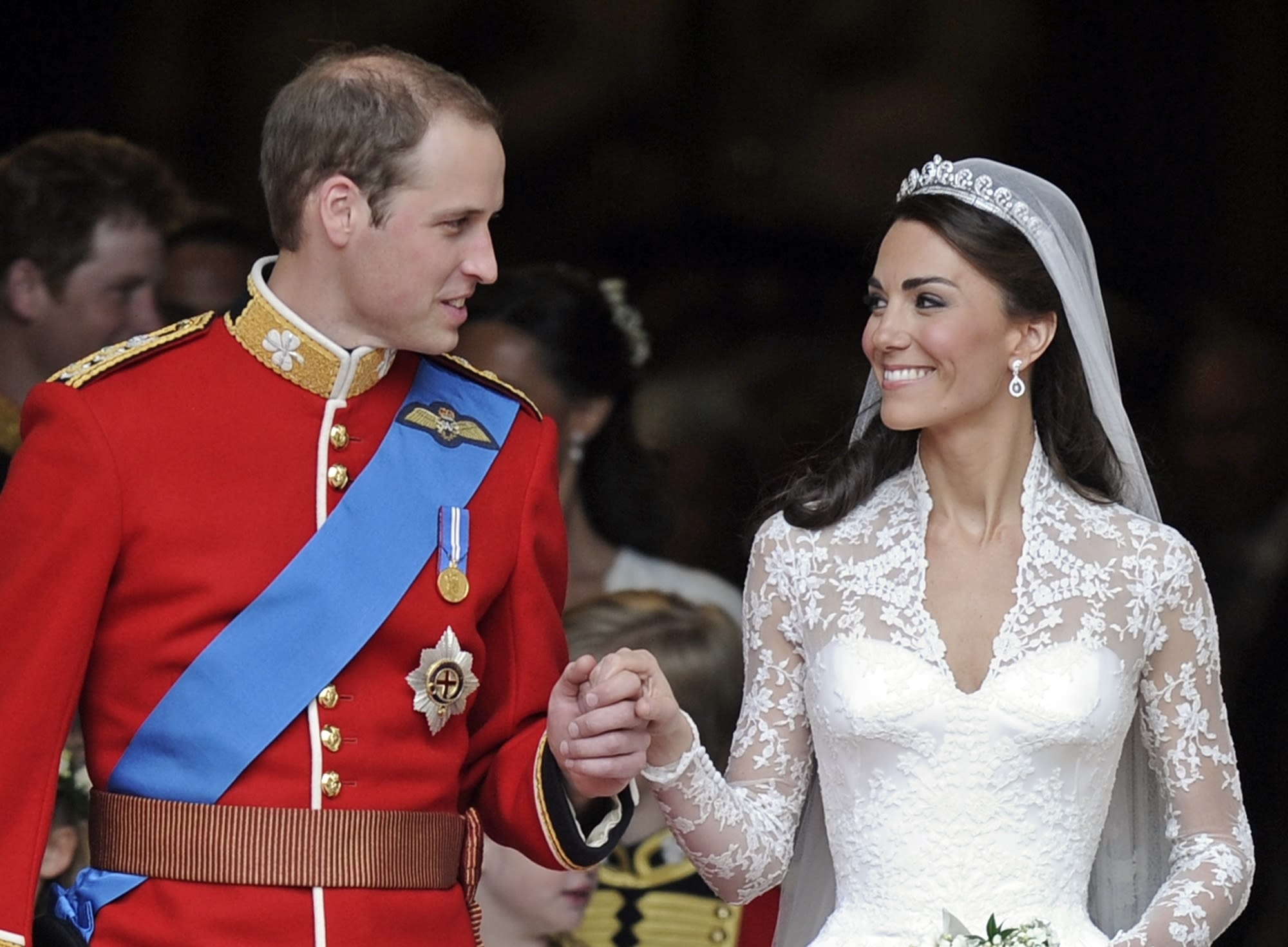
2011
Prince William, second in line to the throne, marries Kate Middleton at Westminster Abbey
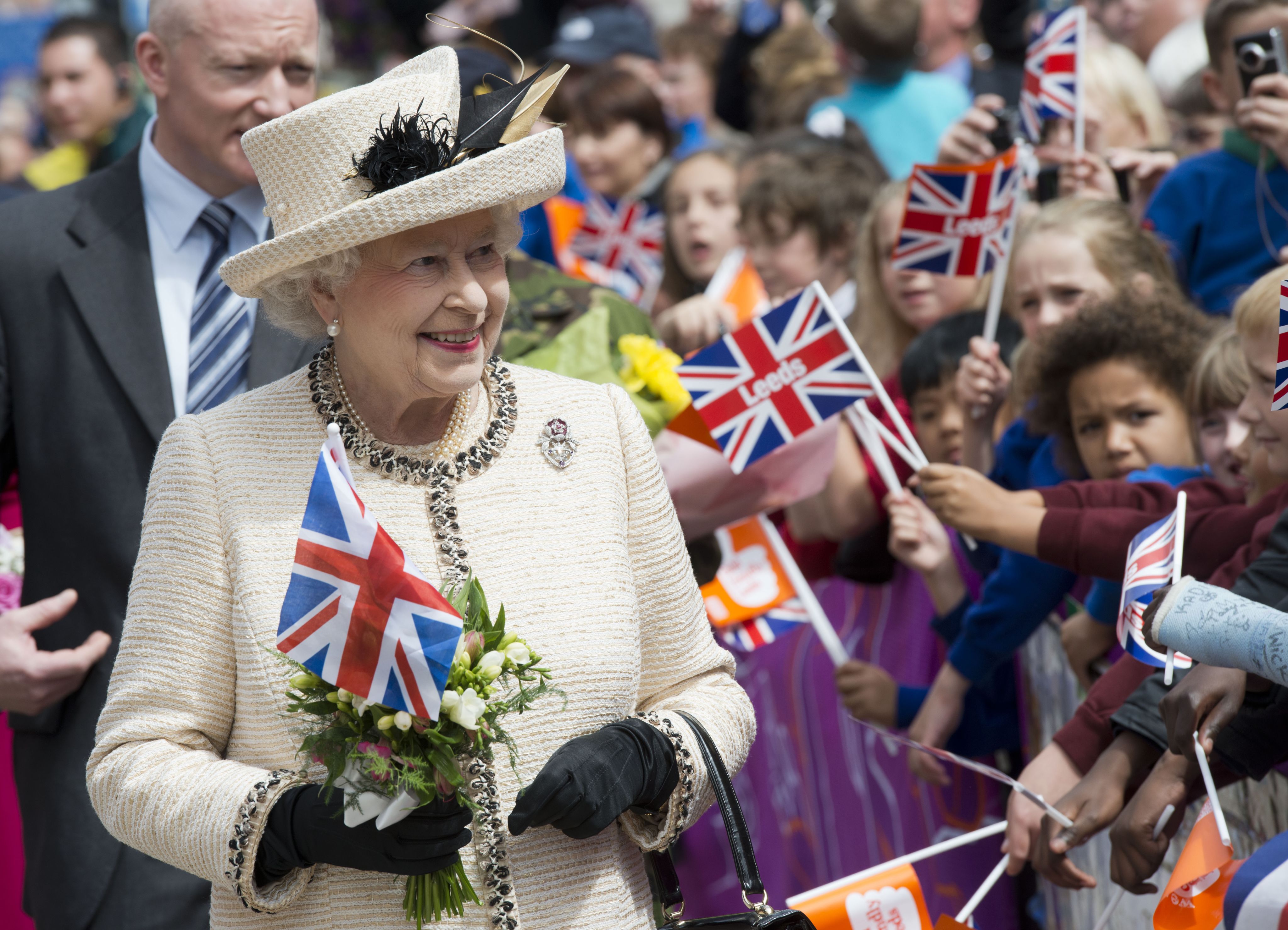
2012
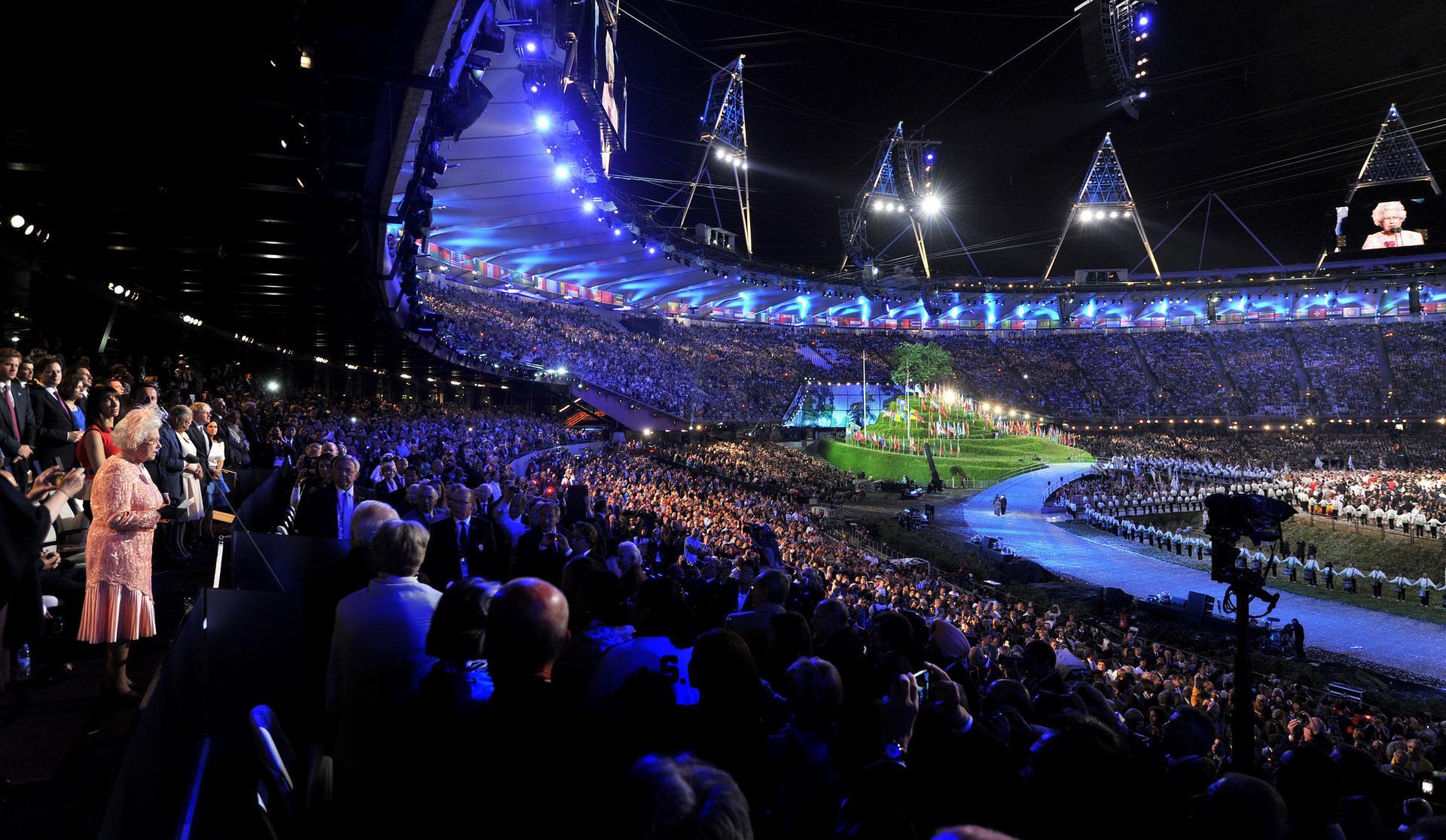
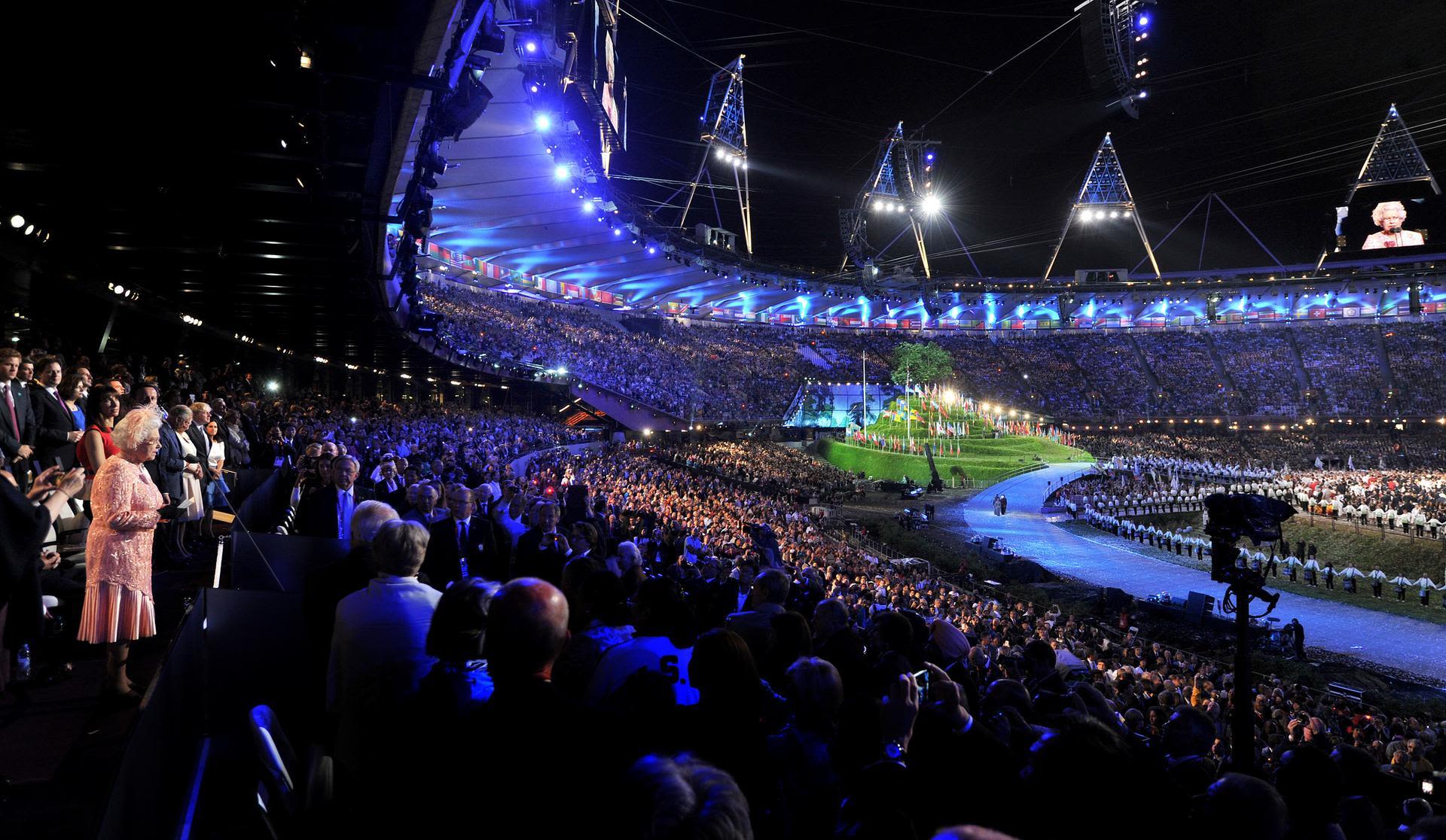
The queen marks her diamond jubilee and attends the London 2012 Olympics
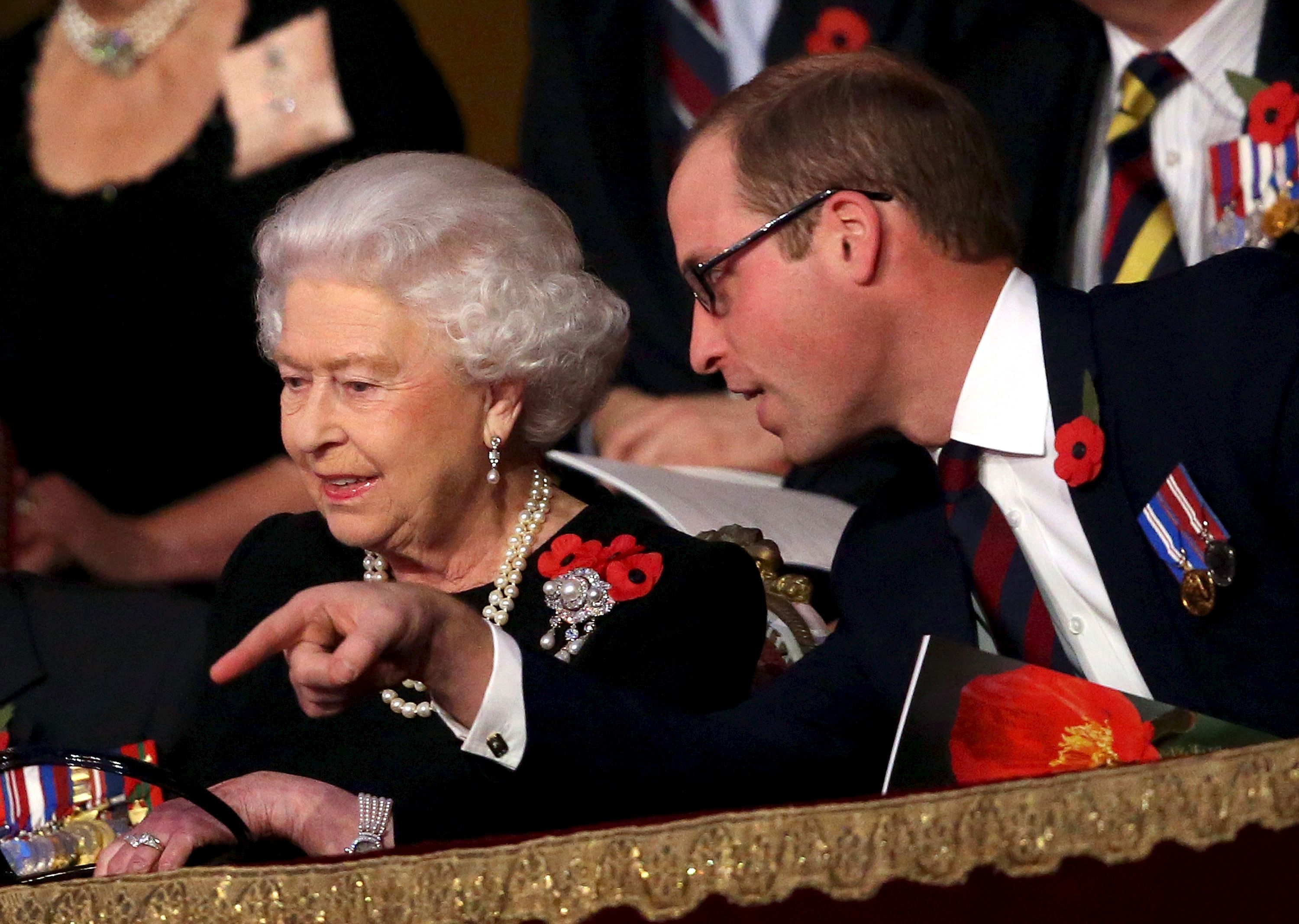
2015
Queen Elizabeth becomes the UK's longest-serving monarch after 63 years, surpassing Queen Victoria
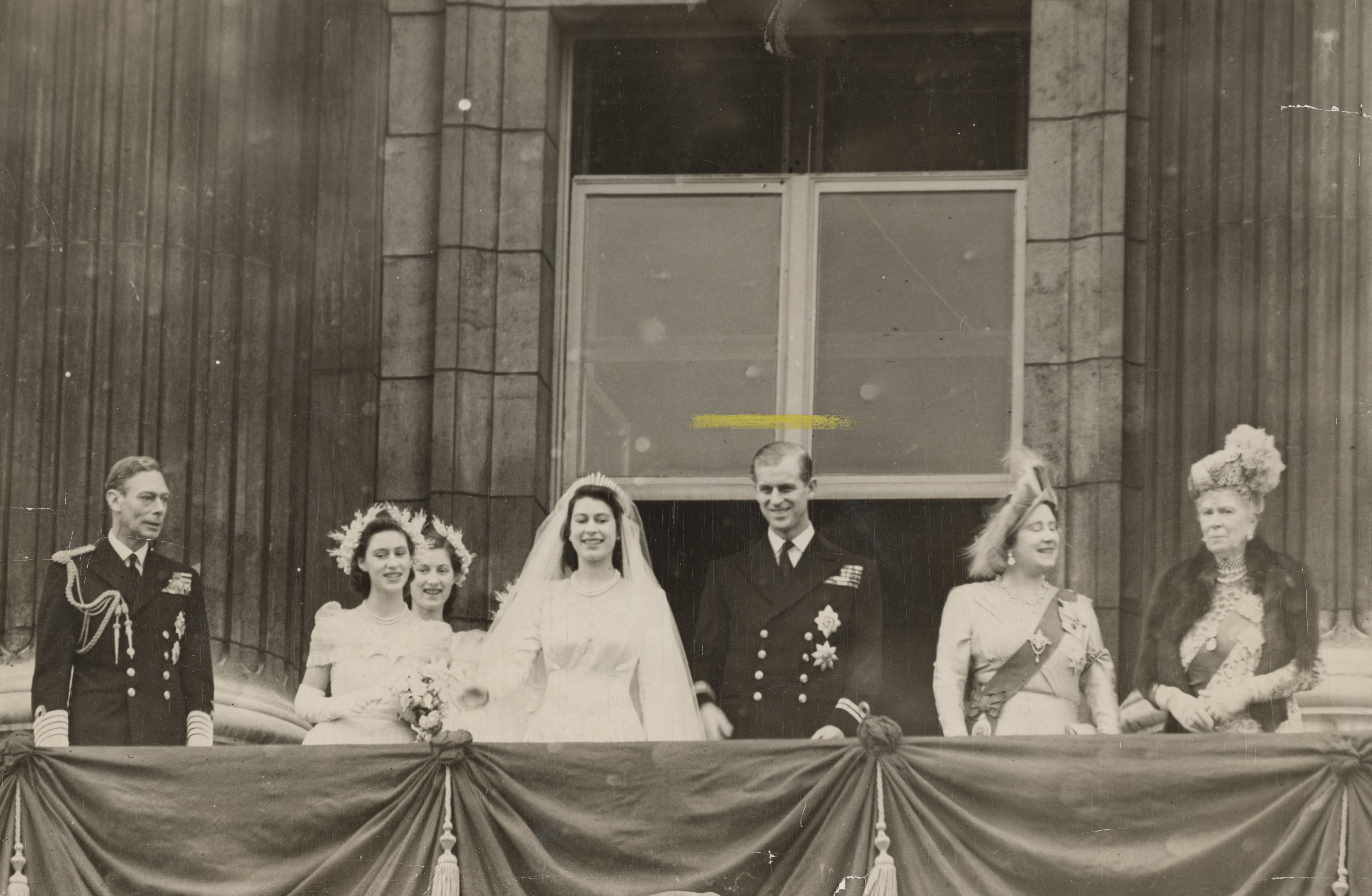
2017
The Queen and Prince Philip celebrate their platinum wedding anniversary
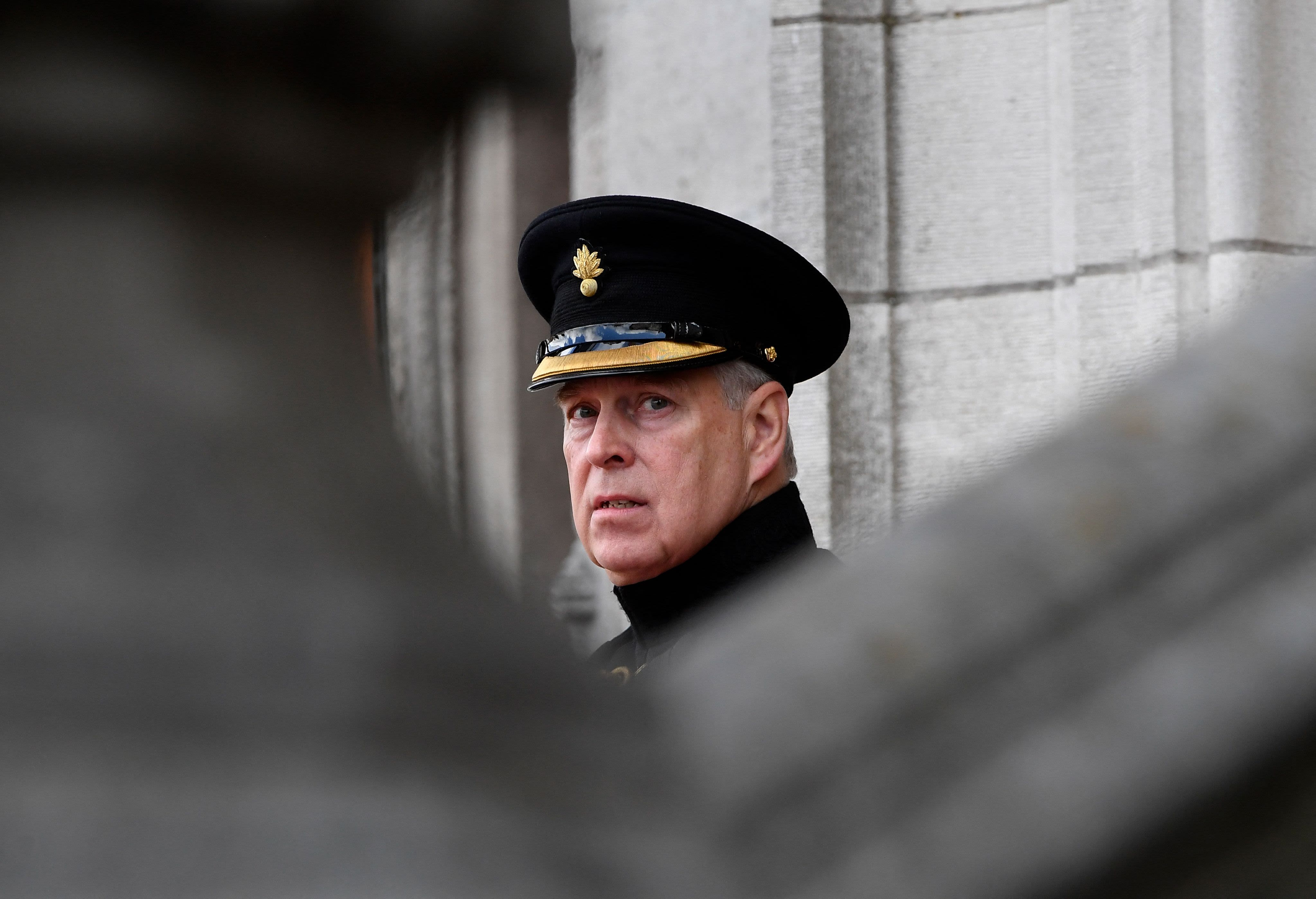
2019
Prince Andrew steps back from royal duties amid sex abuse allegations
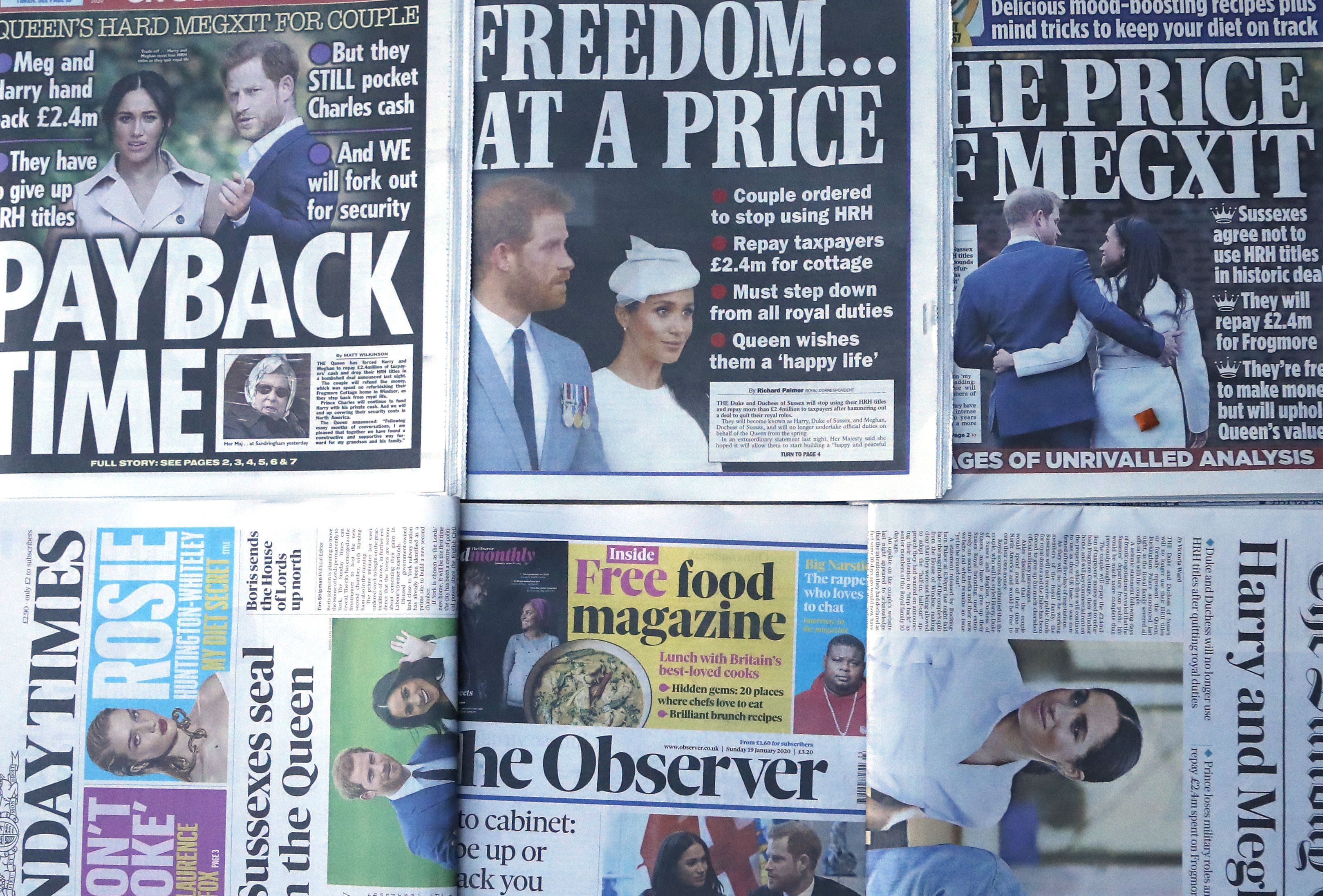
2020
Prince Harry and Meghan quit the UK. The queen cuts back on royal duties as Britain goes into lockdown over Covid-19
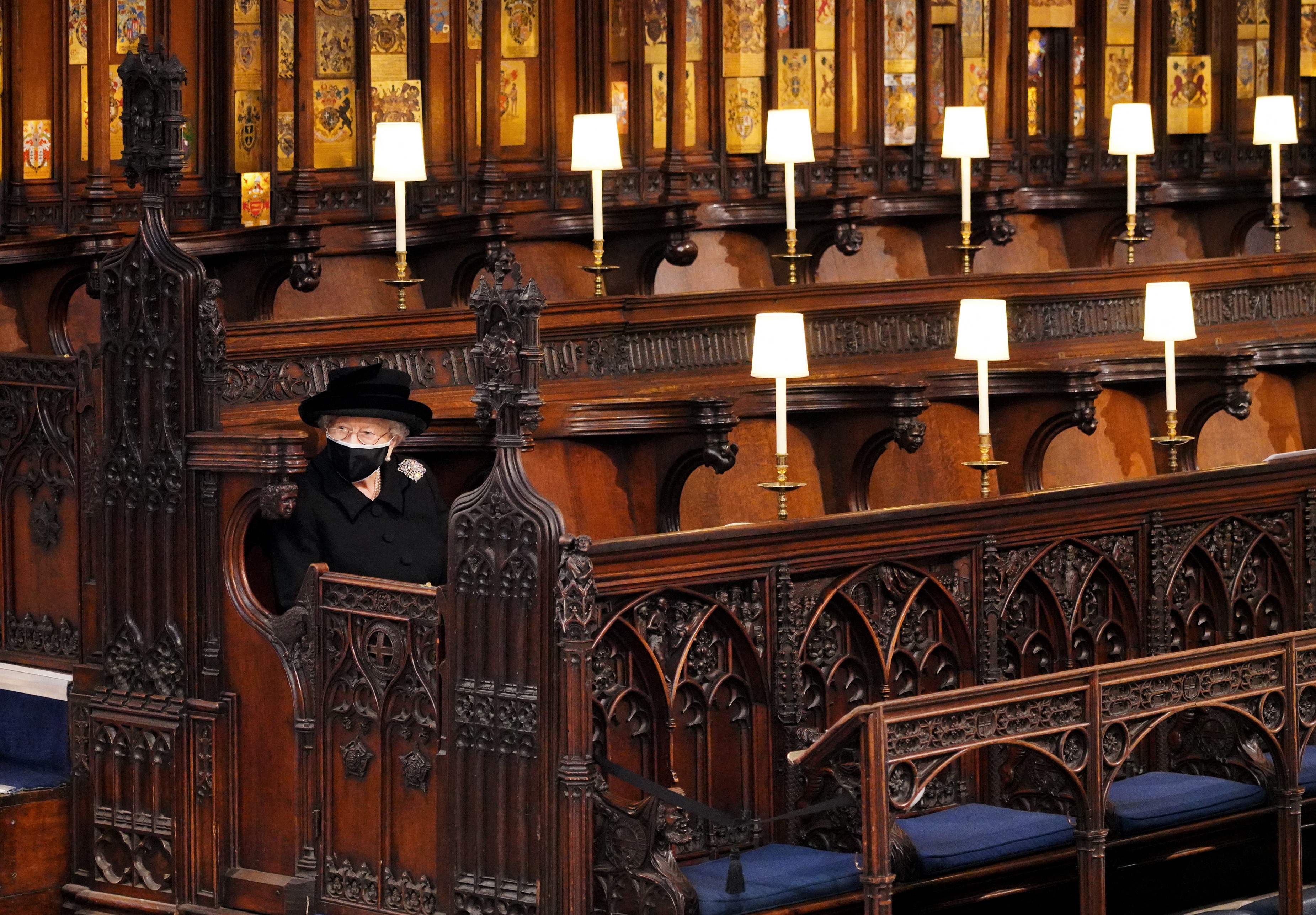
2021
Prince Philip dies, aged 99. His funeral is held at Windsor Castle
Her majesty Queen Elizabeth II
Born: 2.40am on April 21, 1926, at 17 Bruton Street in Mayfair, London
Childhood: Spent in London and Royal Lodge, the family's home on the grounds of Windsor Great Park
Crowned: June 2, 1953, at Westminster Abbey at the age of 25
Married: November 20, 1947, to distant cousin, Philip Mountbatten
Children: Charles (1948), Anne (1950), Andrew (1960), Edward (1964)
Died: 3.10pm on September 8, 2022, at Balmoral, her Scottish home
Number of engagements carried out: More than 21,000
Gave royal assent to: Around 4,000 acts of parliament
Sworn in: 15 prime ministers
Hobbies: Horse riding and racing, mysteries, crossword puzzles and even watching wrestling on television
Nickname: Lilibet
Education: At home by tutors. Courses included French, mathematics, history, dancing, singing and art
Legacy: Longest reigning monarch in British history

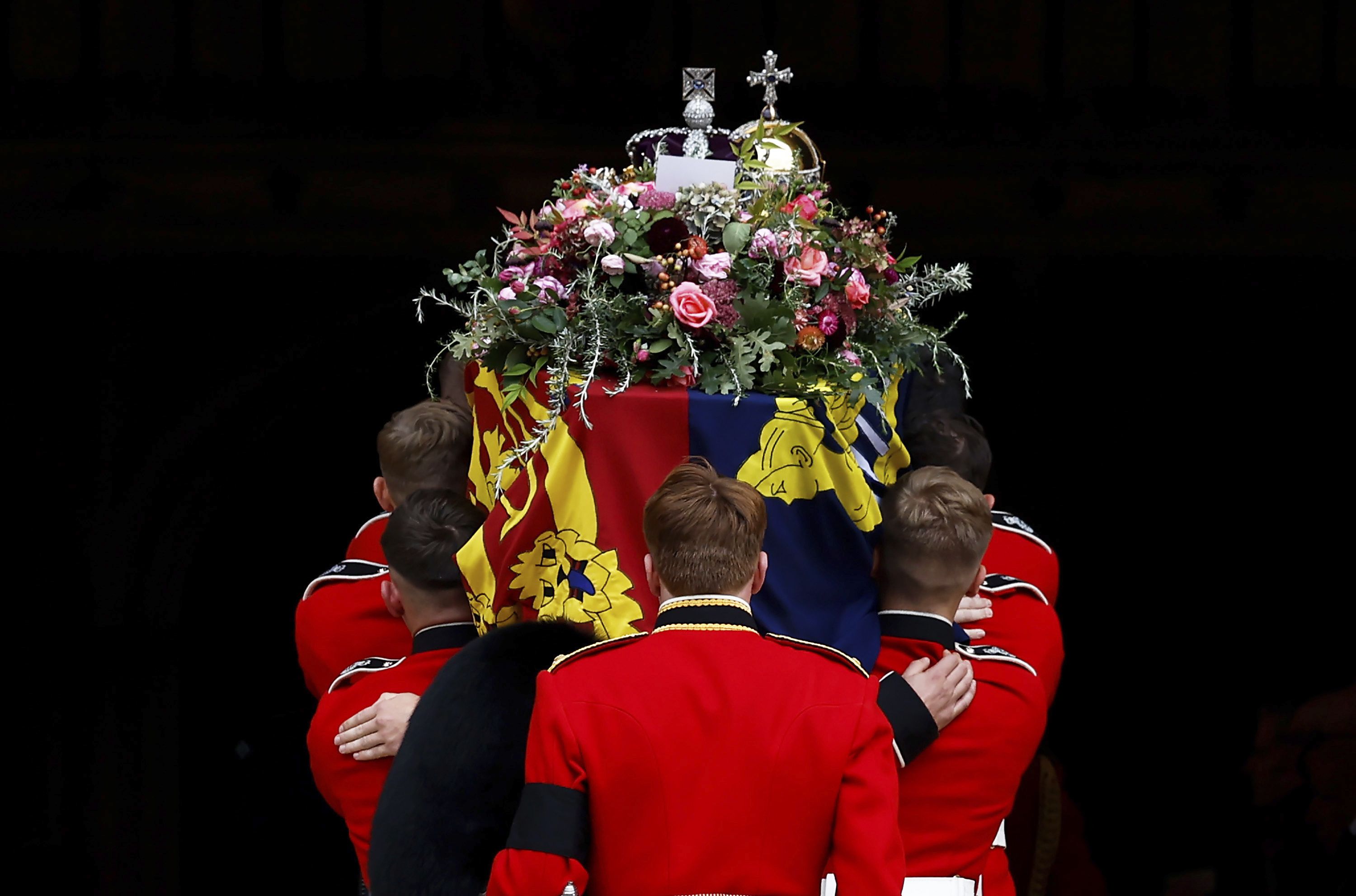






Pall bearers carry the Queen's coffin into St George's Chapel in Windsor on September 19, 2022. AP
Pall bearers carry the Queen's coffin into St George's Chapel in Windsor on September 19, 2022. AP
The queen makes a speech during the opening ceremony of the London 2012 Olympic Games on July 27, 2012. Getty
The queen makes a speech during the opening ceremony of the London 2012 Olympic Games on July 27, 2012. Getty
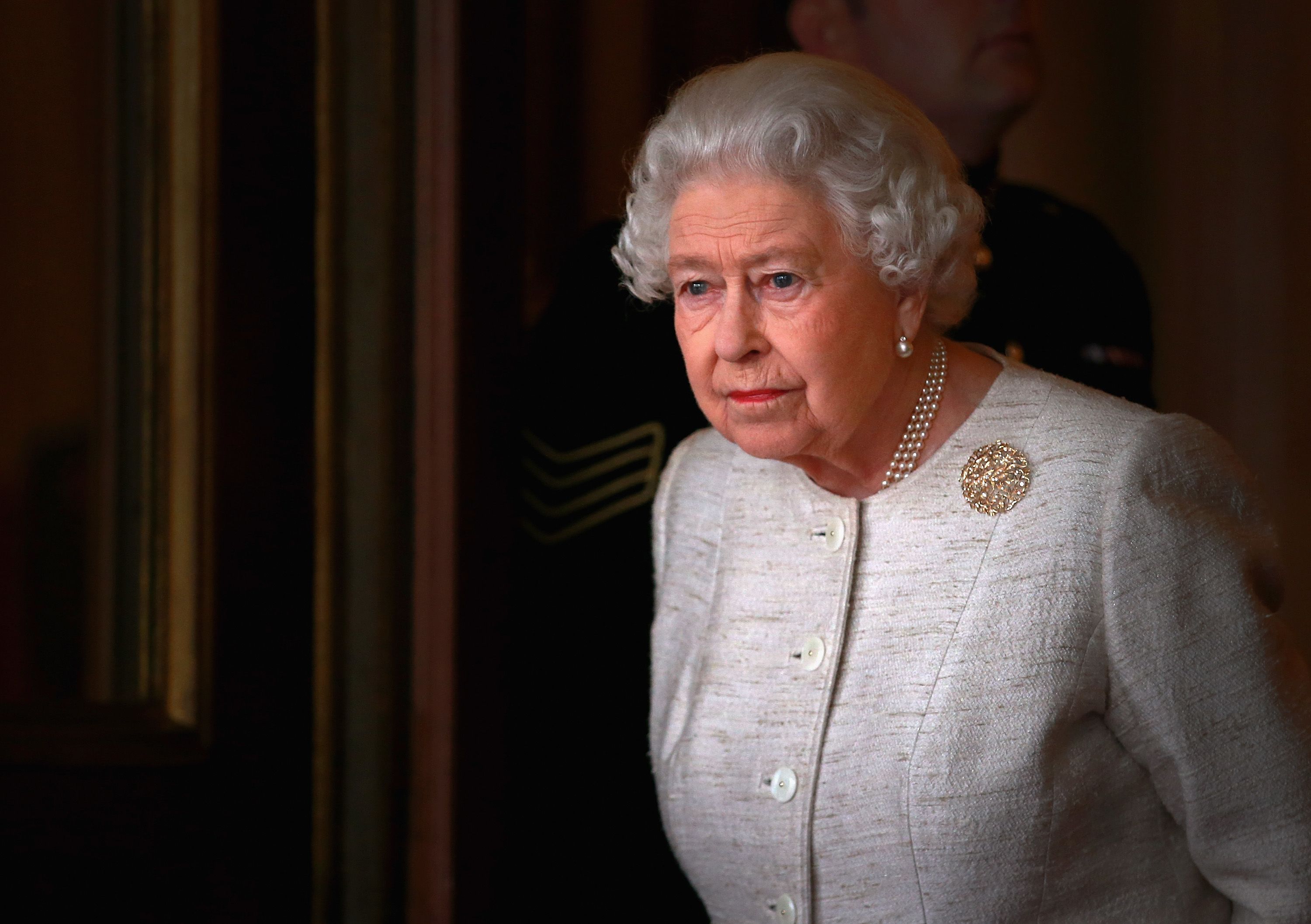
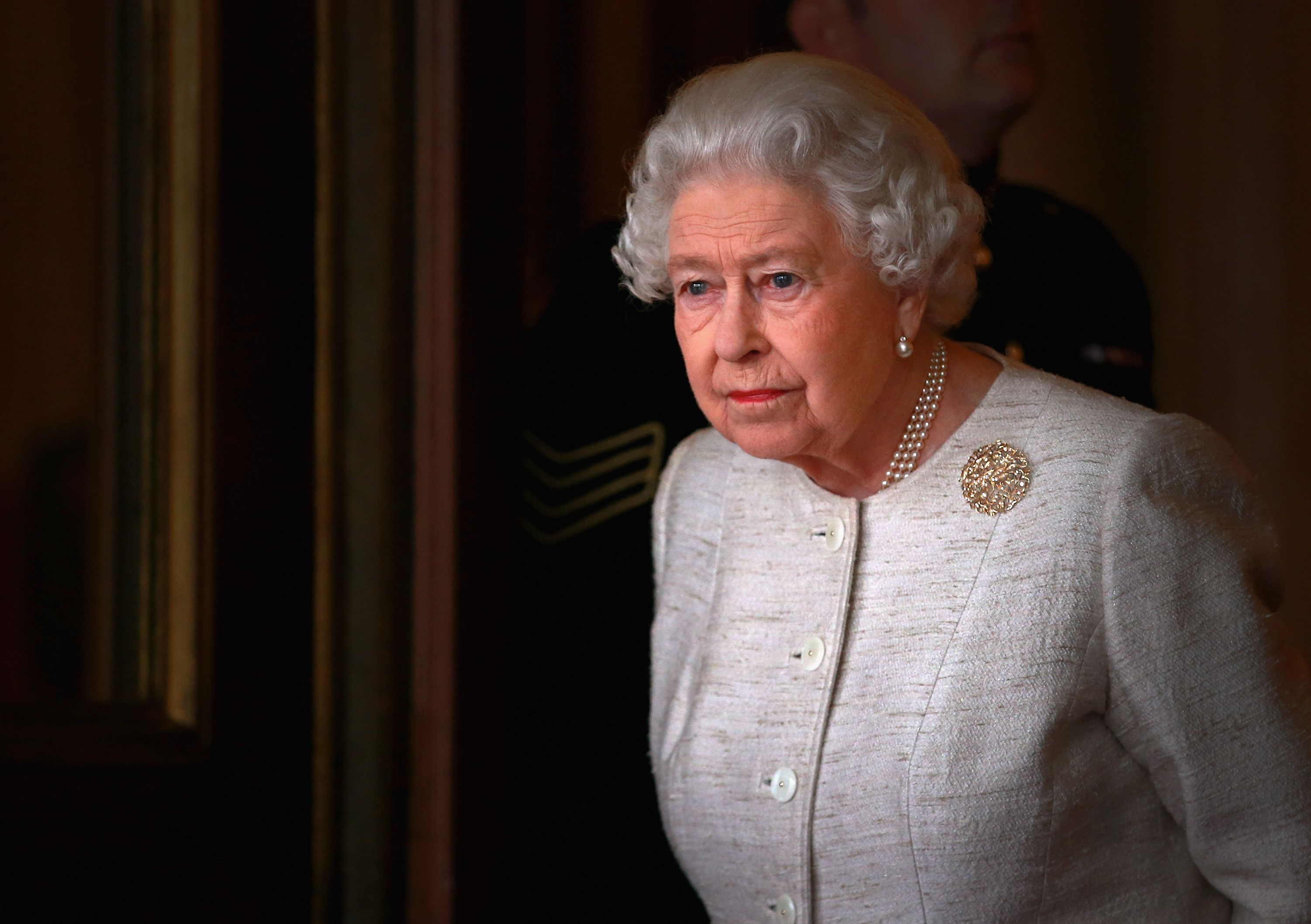
Queen Elizabeth prepares to greet the president of Kazakhstan at Buckingham Palace on November 4, 2015. Getty
Queen Elizabeth prepares to greet the president of Kazakhstan at Buckingham Palace on November 4, 2015. Getty
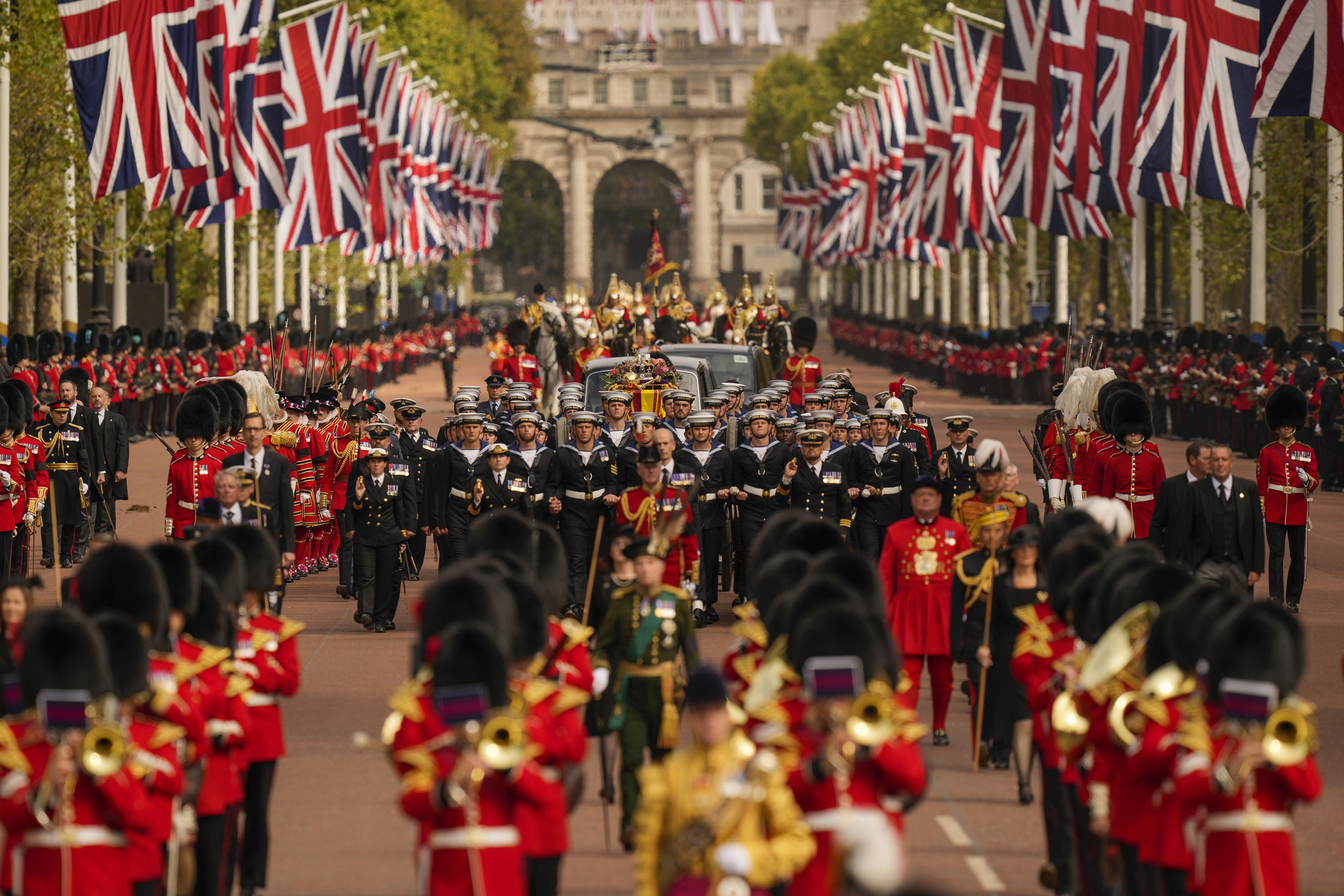
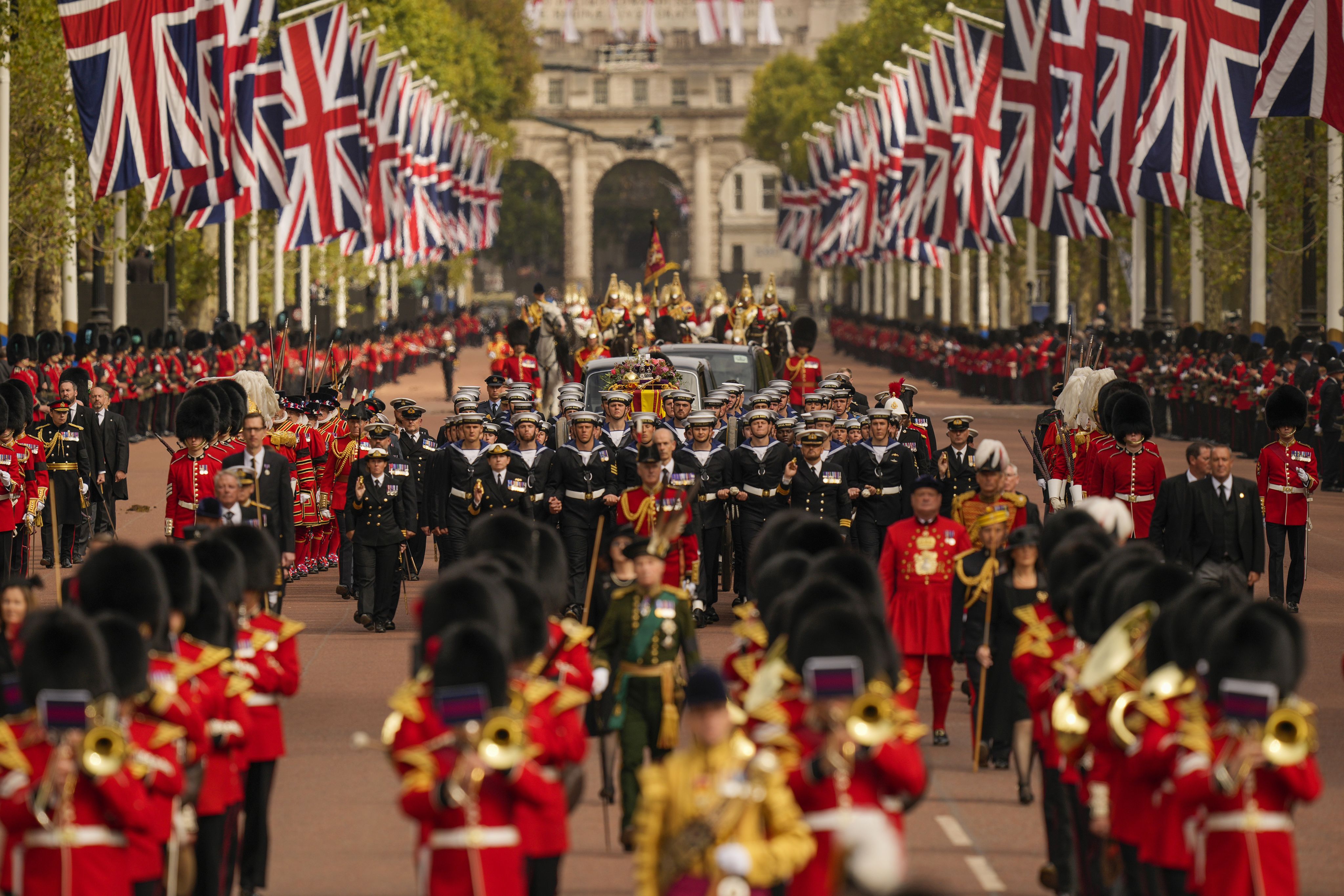
The coffin of Queen Elizabeth is pulled following her service in Westminster Abbey on September 19, 2022. AP
The coffin of Queen Elizabeth is pulled following her service in Westminster Abbey on September 19, 2022. AP
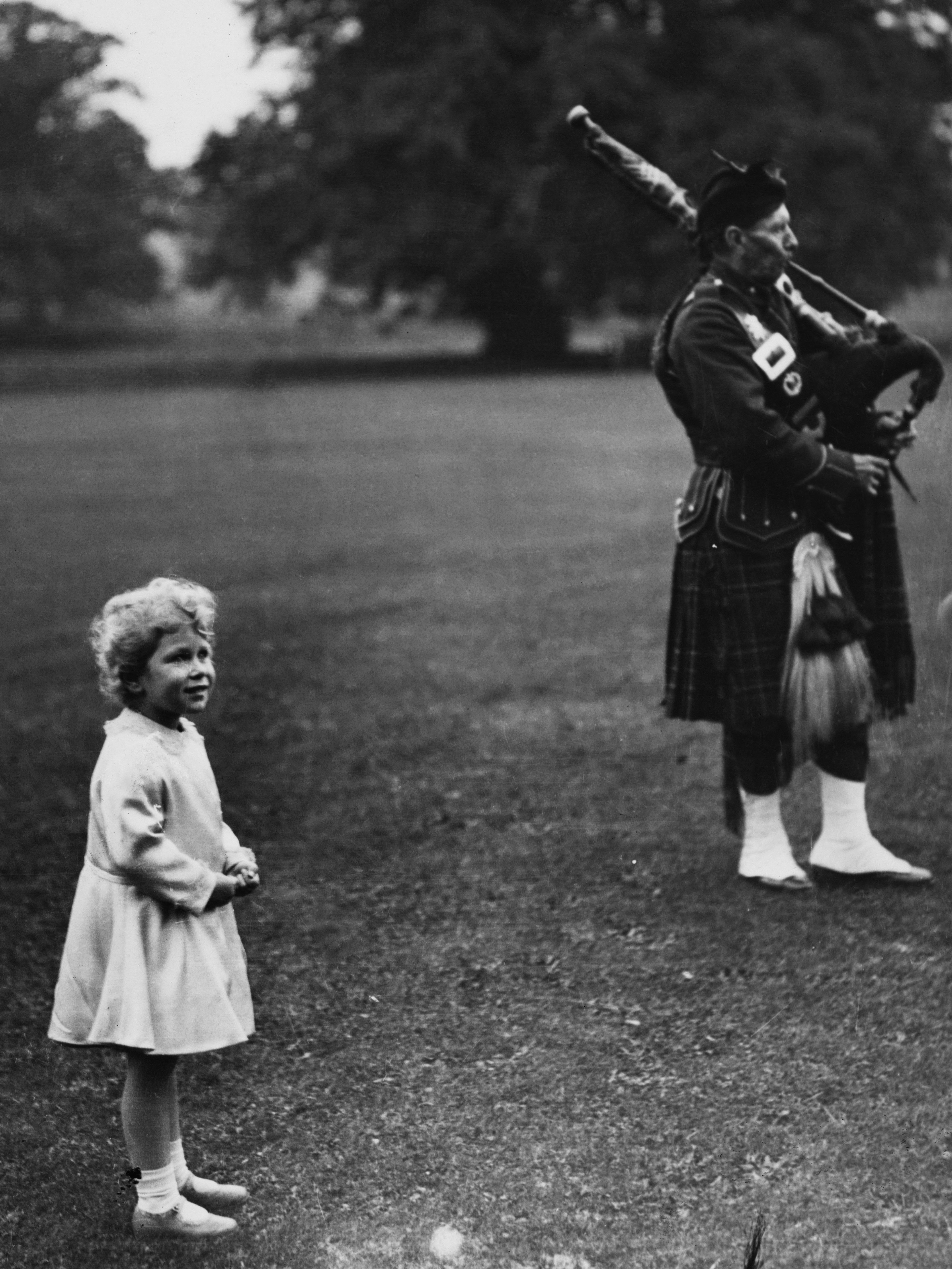
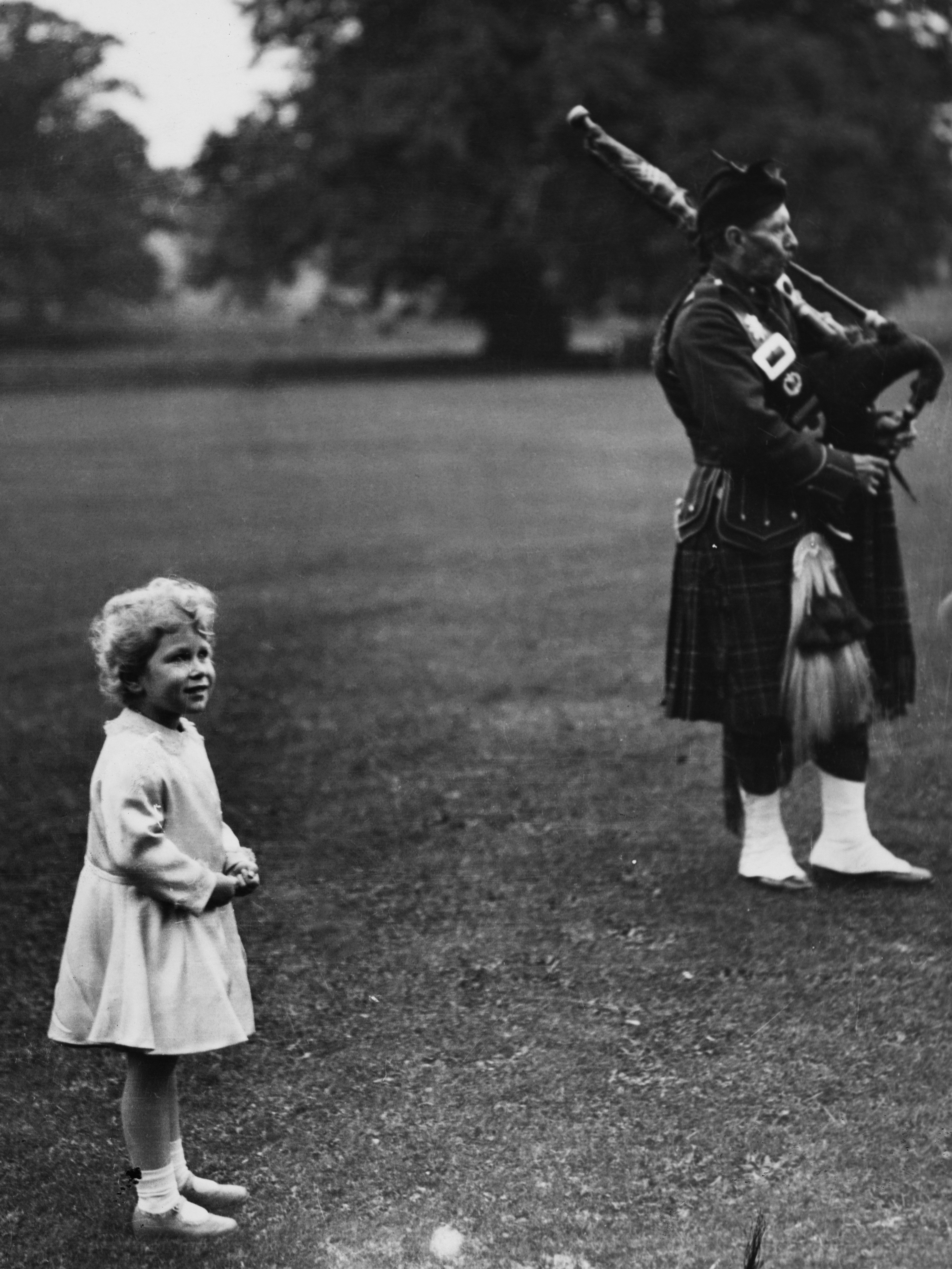
Princess Elizabeth in the grounds of Glamis Castle in Scotland in September 1929. Getty
Princess Elizabeth in the grounds of Glamis Castle in Scotland in September 1929. Getty

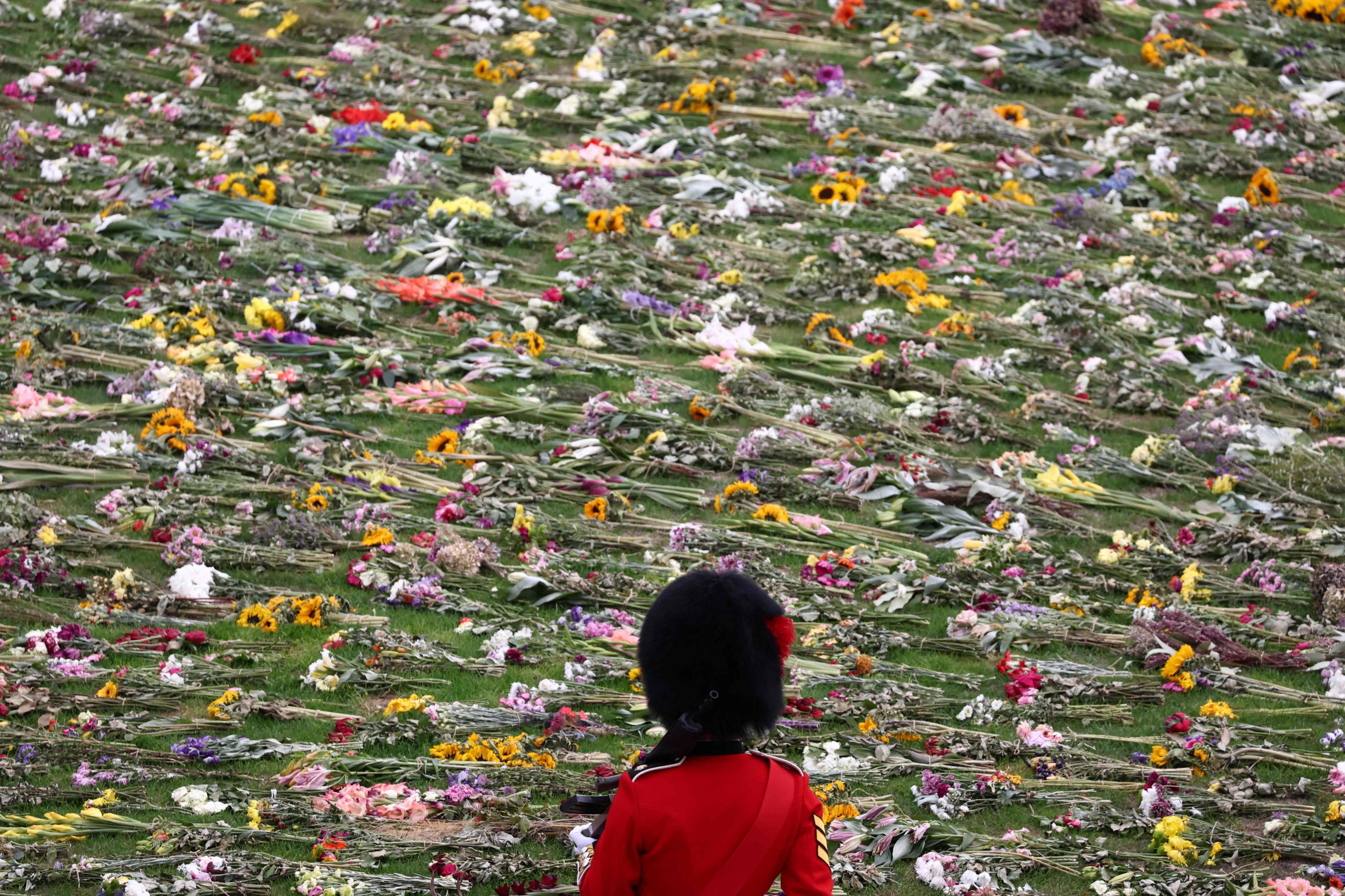
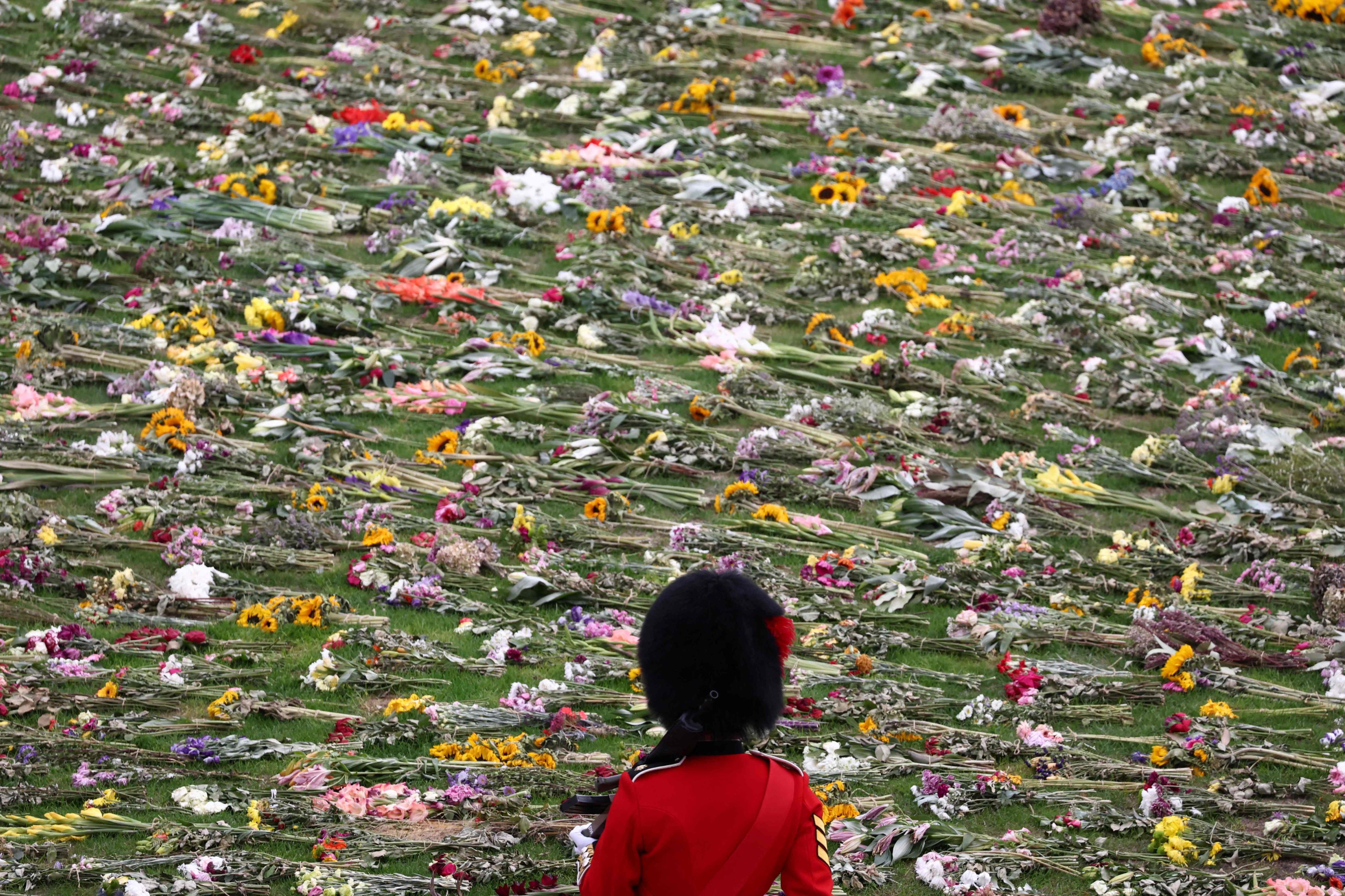
A Royal Guard stands outside Windsor Castle after the state funeral of the queen on September 19, 2022. AFP
A Royal Guard stands outside Windsor Castle after the state funeral of the queen on September 19, 2022. AFP
Words Gillian Duncan
Editor Juman Jarallah
Photo Editor Jake Badger
Design Nick Donaldson
Sub Editor Liz McGlynn
Photos Getty, Reuters, PA, AFP, AP


 Built with Shorthand