
How the UAE became one of the world's emerging space powers
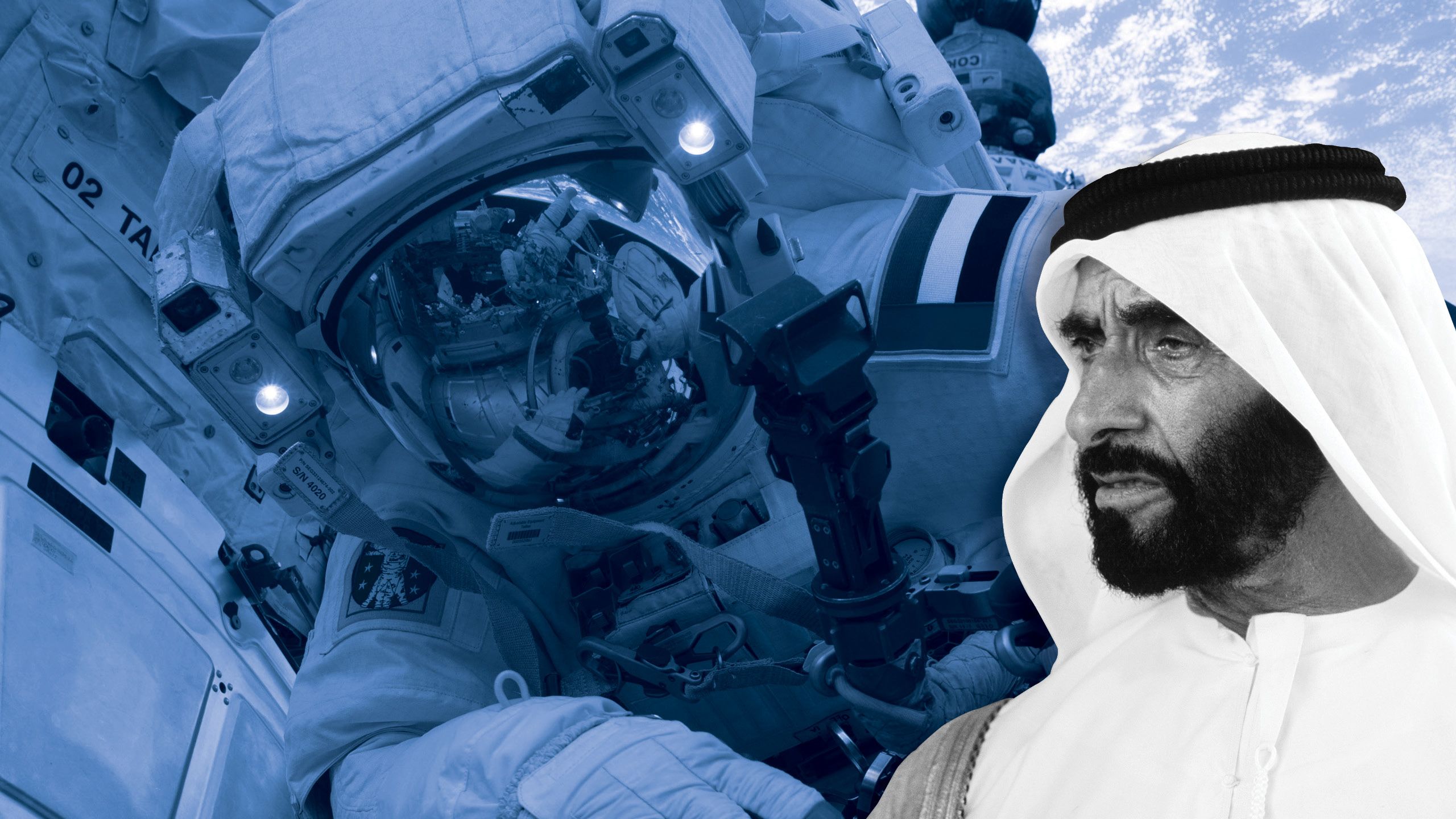
Inspired by America's Apollo missions to the Moon, Sheikh Zayed set his eyes on the stars

How the UAE became one of the world's emerging space powers
Inspired by America's Apollo missions to the Moon, Sheikh Zayed set his eyes on the stars
By James Langton

Returning to the Moon after half a century, the upcoming Artemis 2 mission is a highlight of what can be described as the second golden age of space exploration.
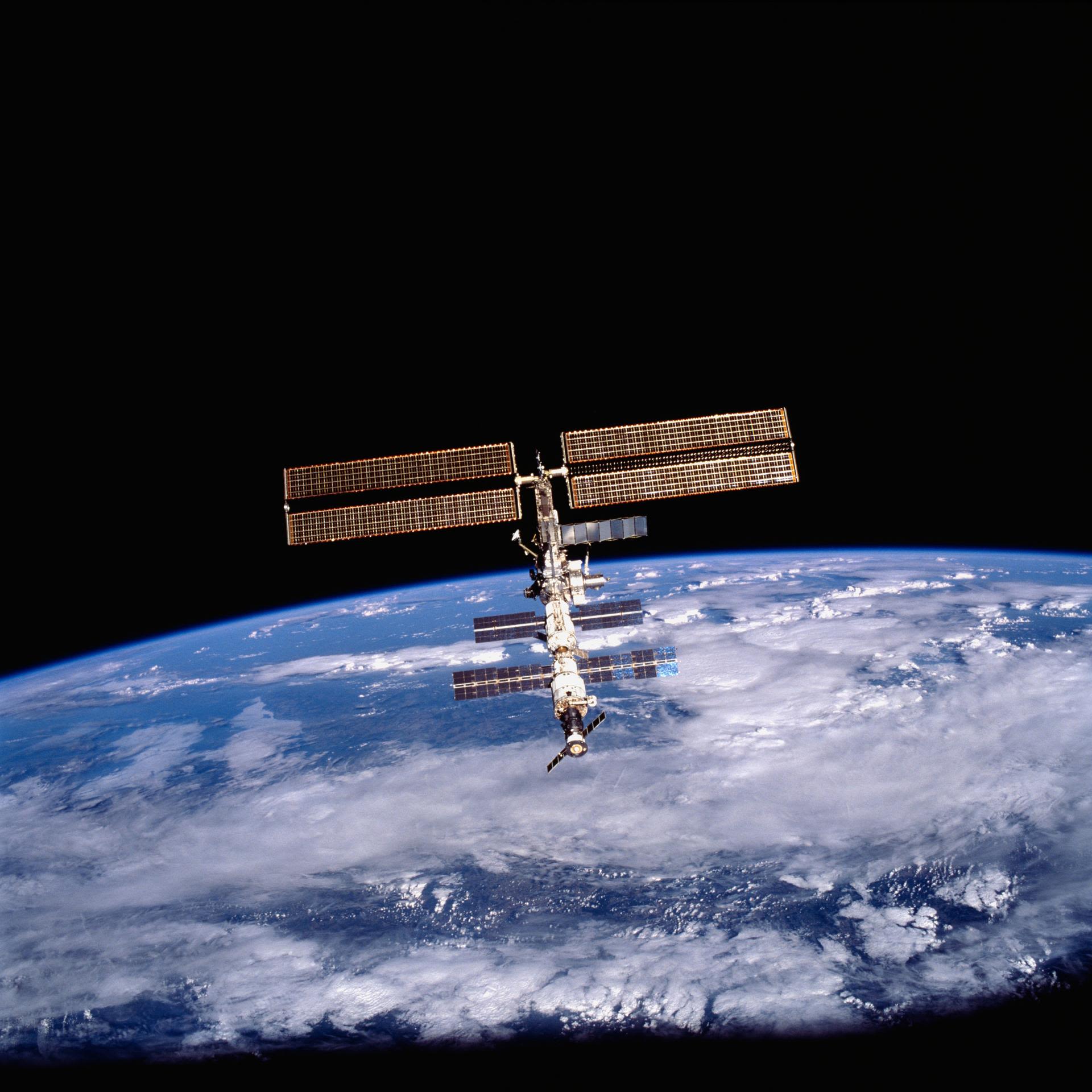
It is an age in which the UAE is playing a major role, including sending astronauts to the International Space Station, a probe to Mars and a lander to the lunar surface.
But the UAE’s interest in space exploration goes much further back than the past decade. It began in the 1970s, when the American space agency Nasa sent the original Apollo astronauts to the Moon, and inspired the country’s Founding Father, the late Sheikh Zayed bin Sultan Al Nayhan.
Here, we track the origins of the UAE's race to space, the development of the nation's space industry and what the future holds, including the possibility of an Emirati walking on the Moon.




















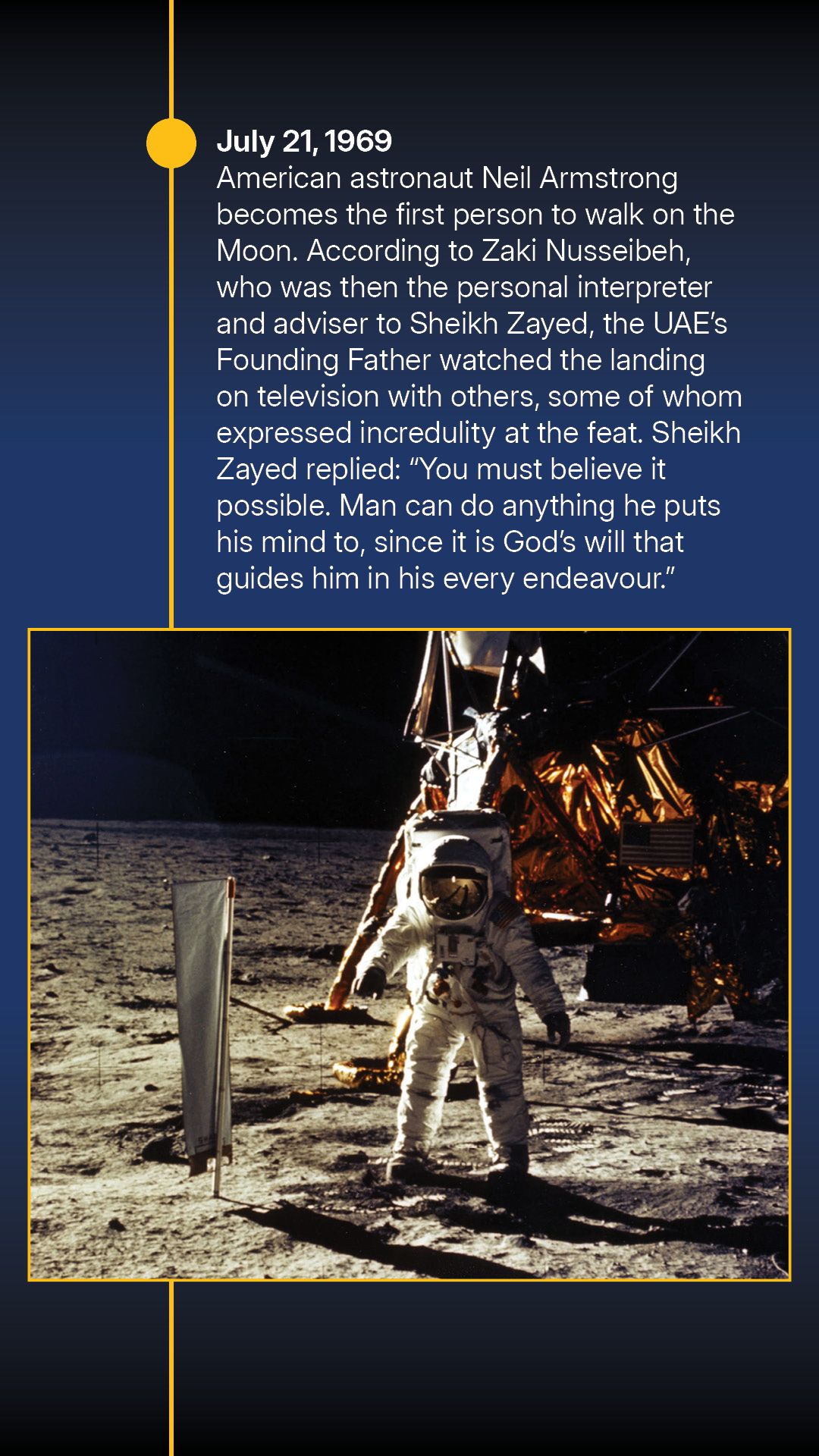
July 21, 1969
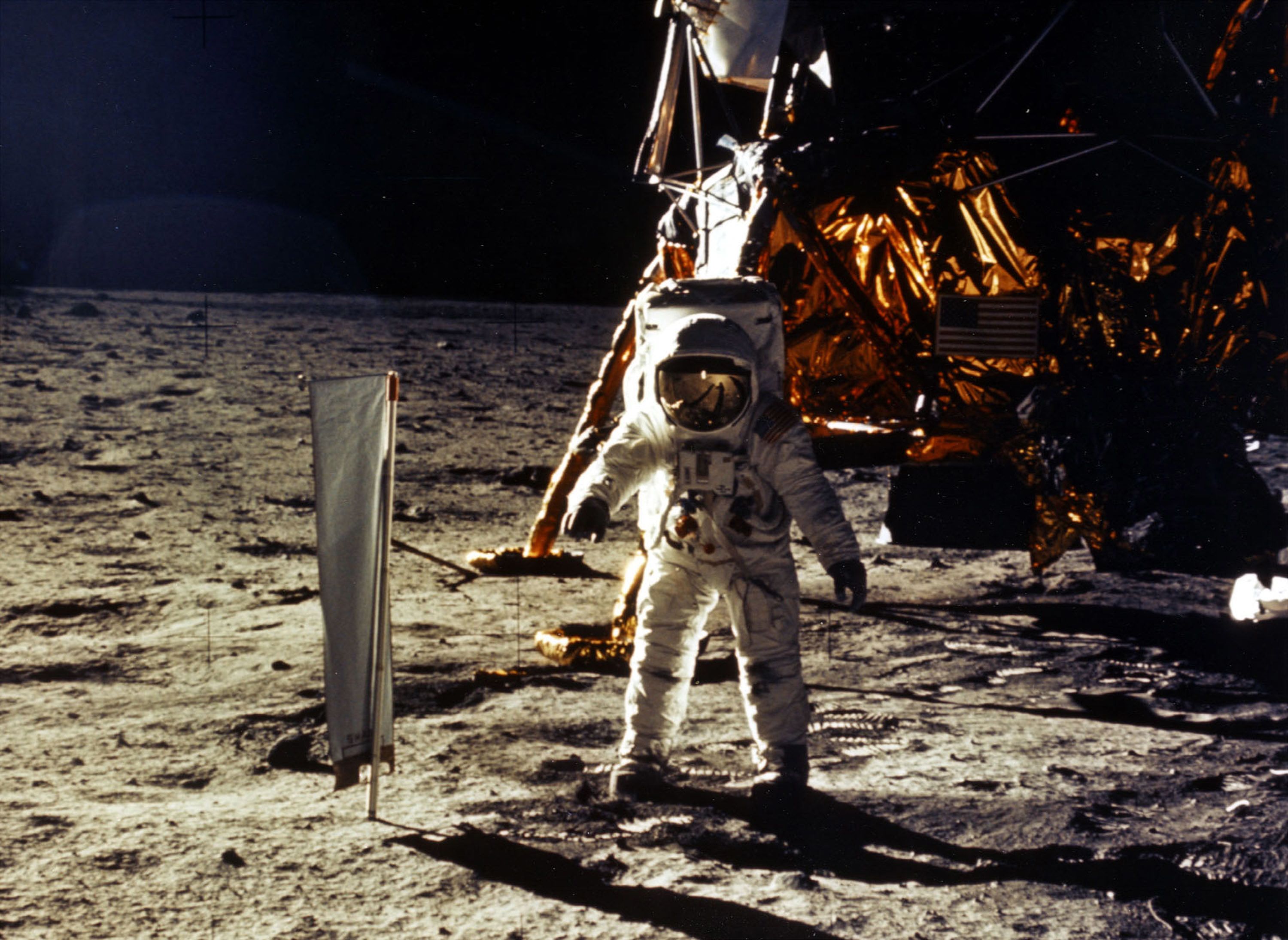
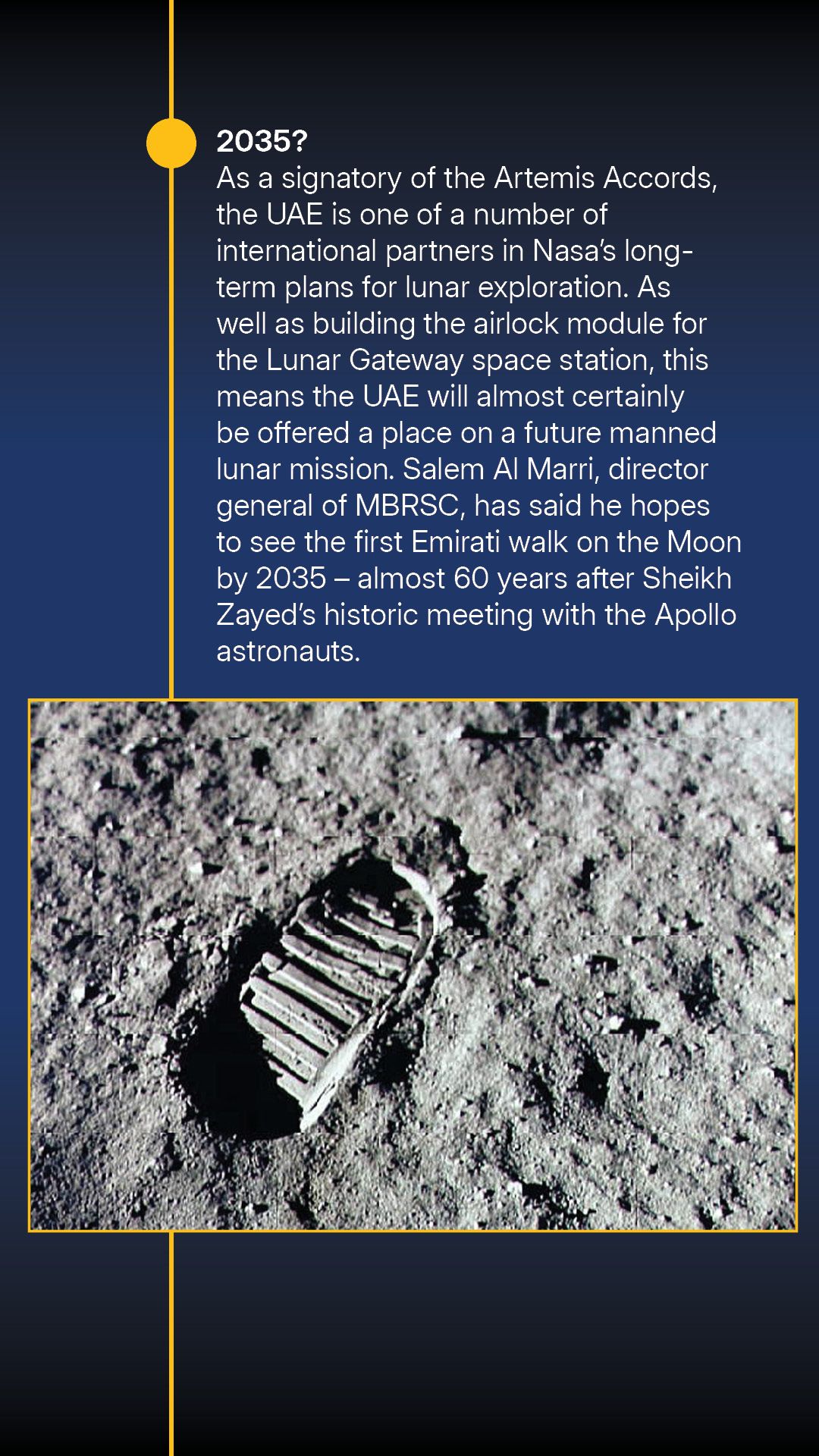
American astronaut Neil Armstrong becomes the first person to walk on the Moon. According to Zaki Nusseibeh, who was then the personal interpreter and adviser to Sheikh Zayed, the UAE's Founding Father watched the landing on television with others, some of whom expressed incredulity at the feat. Sheikh Zayed replied: “You must believe it possible. Man can do anything he puts his mind to, since it is God’s will that guides him in his every endeavour.”

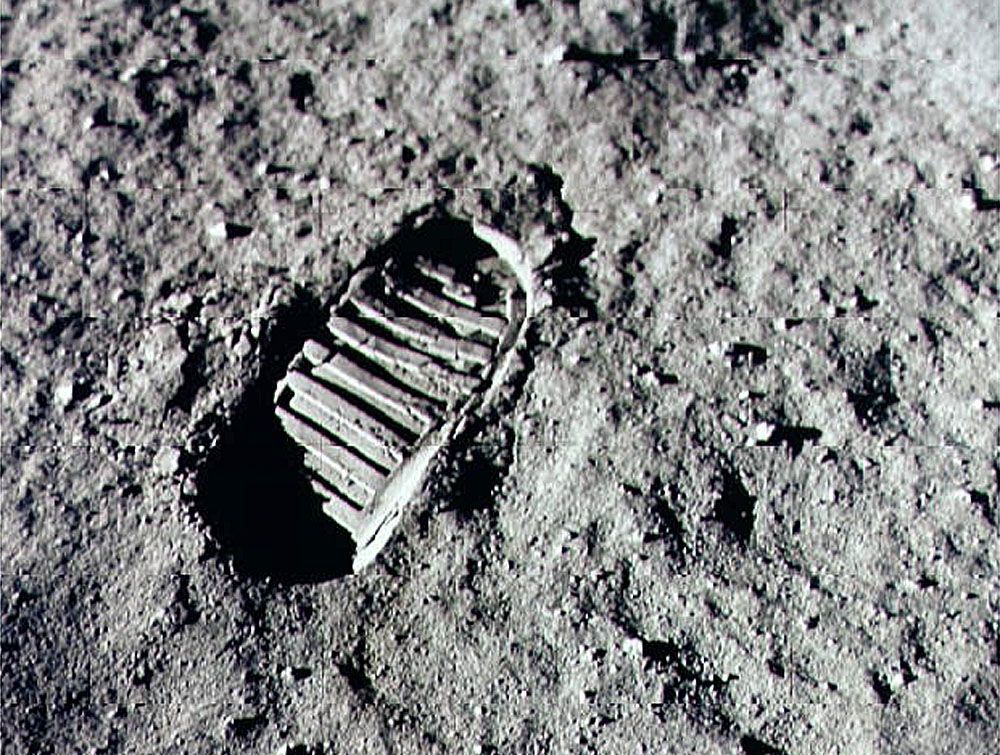
Neil Armstrong leaves the first human footprint on the surface of the Moon in July 1969. Photo: Nasa
Neil Armstrong leaves the first human footprint on the surface of the Moon in July 1969. Photo: Nasa
1973
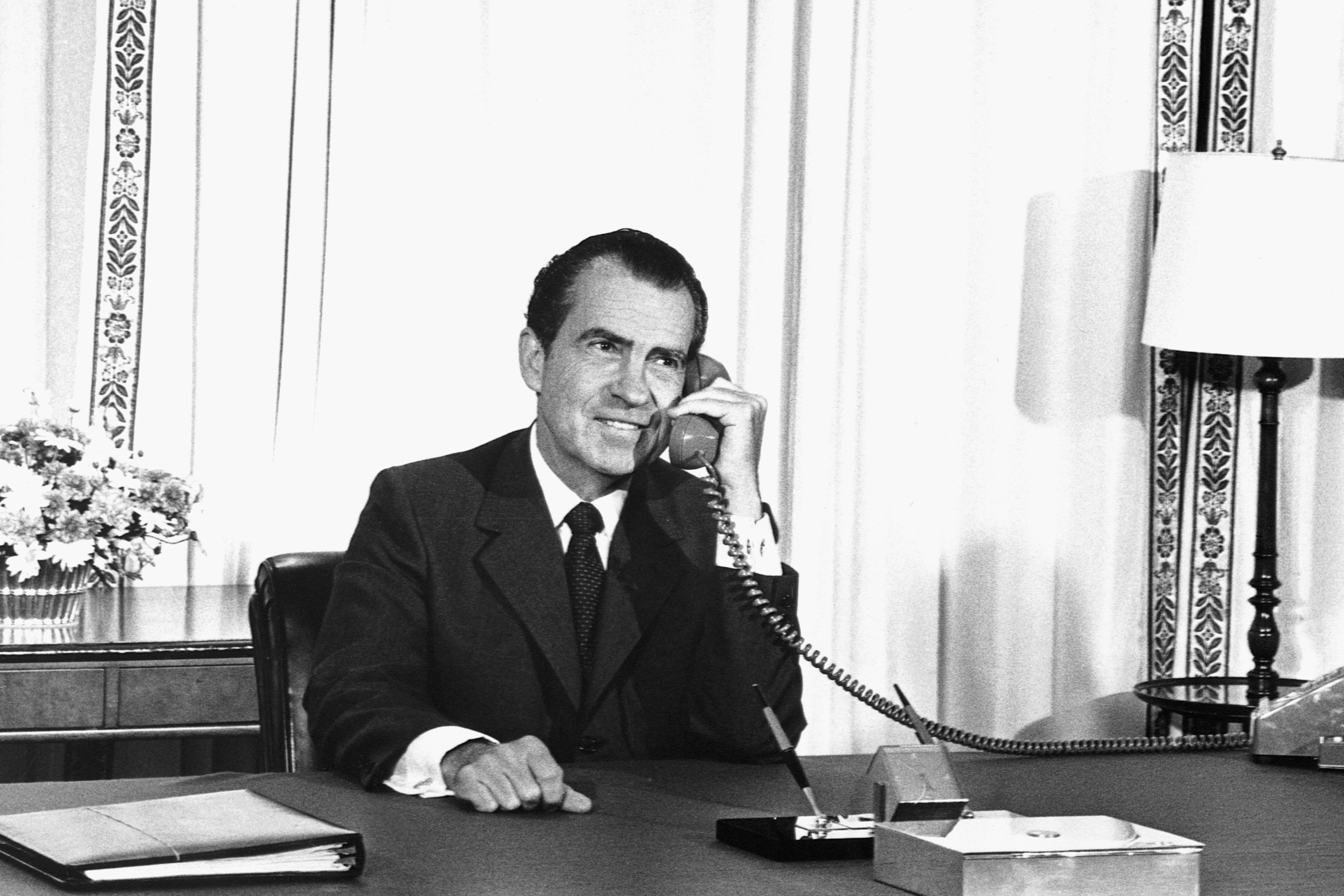
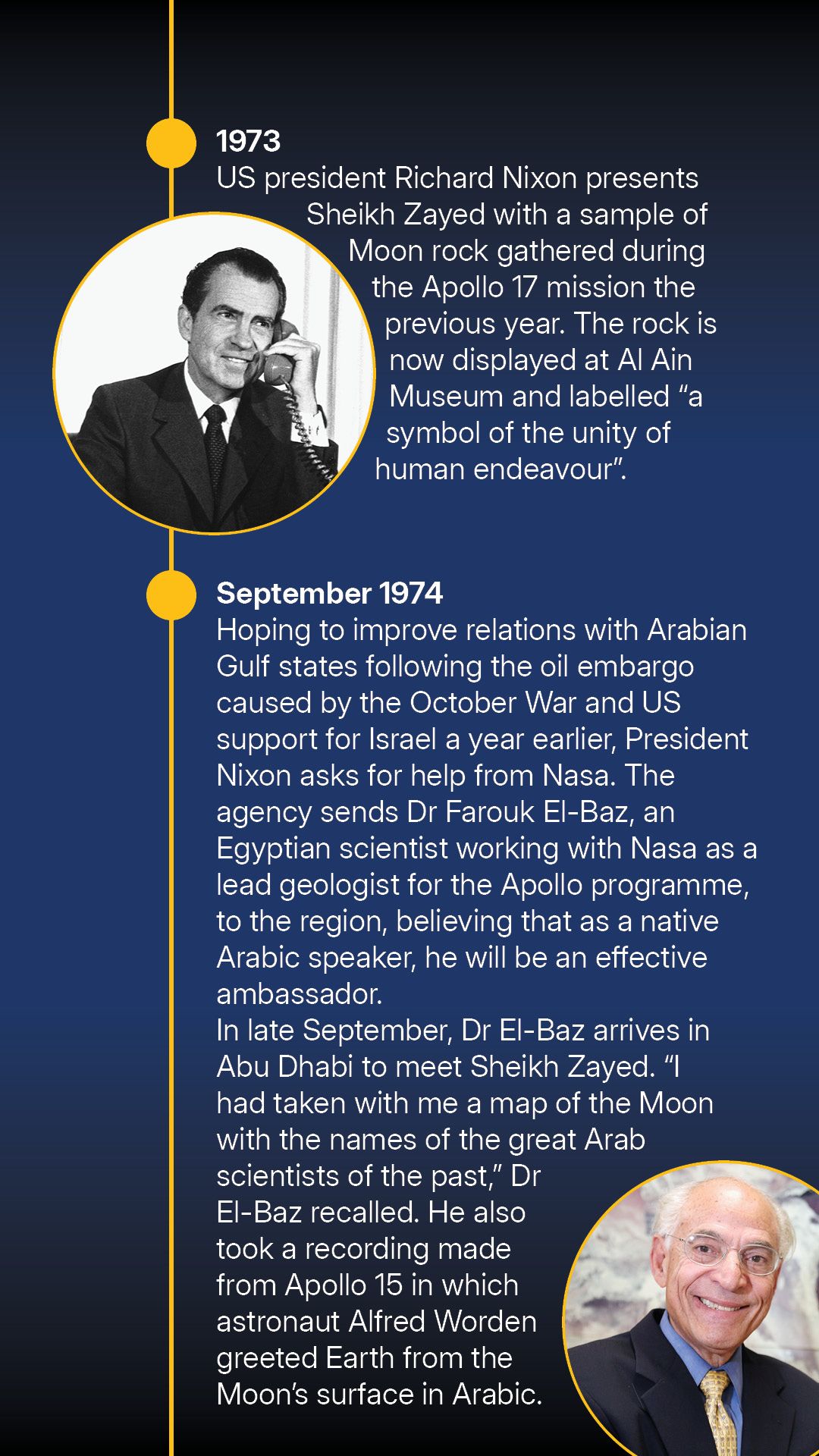
US president Richard Nixon presents Sheikh Zayed with a sample of lunar rock gathered during the Apollo 17 mission the previous year. The rock is now displayed at Al Ain Museum and labelled “a symbol of the unity of human endeavour”.
September 1974
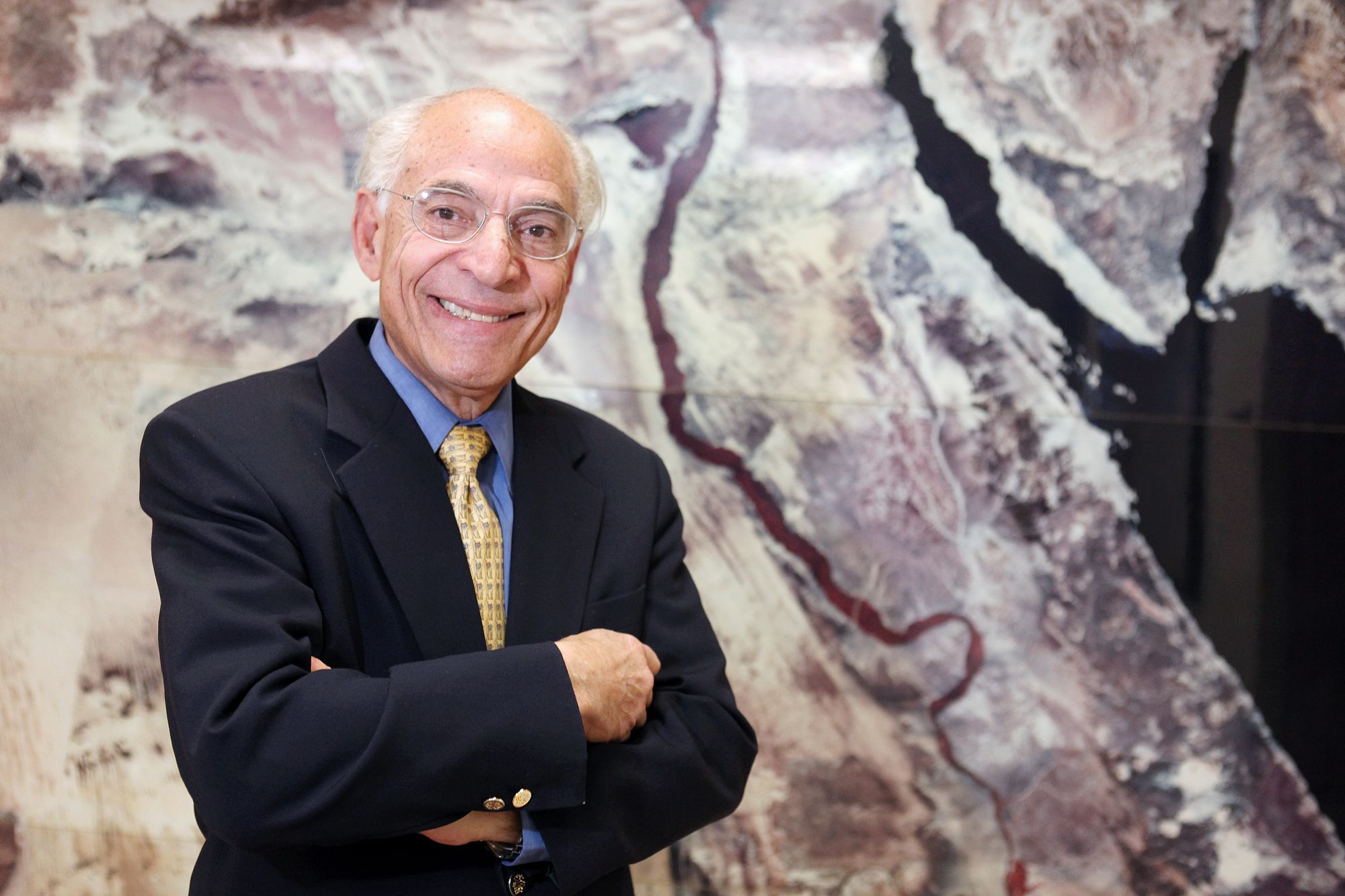
Hoping to improve relations with Arabian Gulf states following the oil embargo caused by the October War and US support for Israel a year earlier, President Nixon asks for help from Nasa. The agency sends Dr Farouk El-Baz, an Egyptian scientist working with Nasa as a lead geologist for the Apollo programme, to the region, believing that as a native Arabic speaker, he will be an effective ambassador.
In late September, Dr El-Baz arrives in Abu Dhabi to meet Sheikh Zayed. “I had taken with me a map of the Moon with the names of the great Arab scientists of the past,” Dr El-Baz recalled. He also took a recording made from Apollo 15 in which astronaut Alfred Worden greeted Earth from the Moon's surface in Arabic.
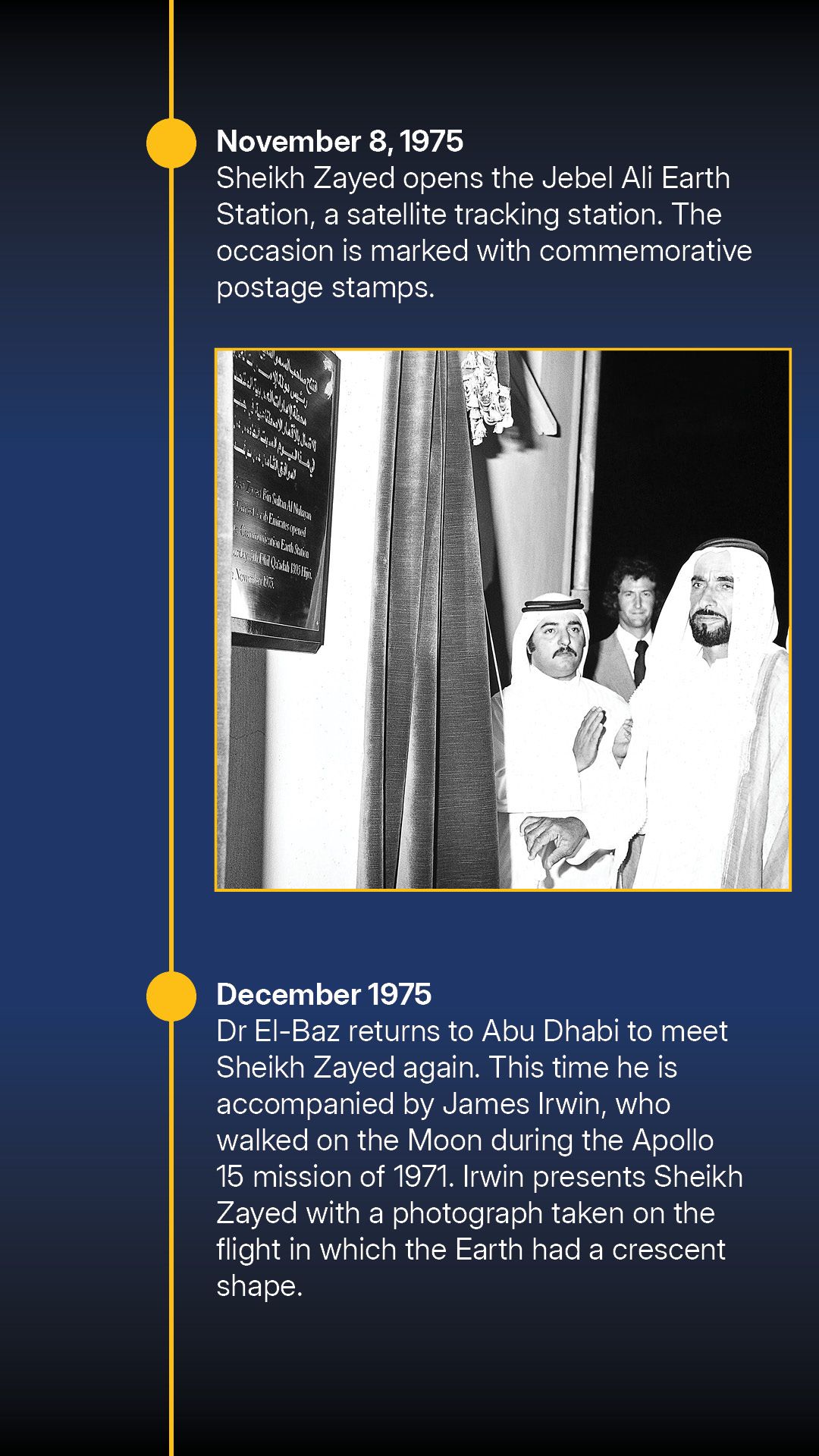
November 8, 1975
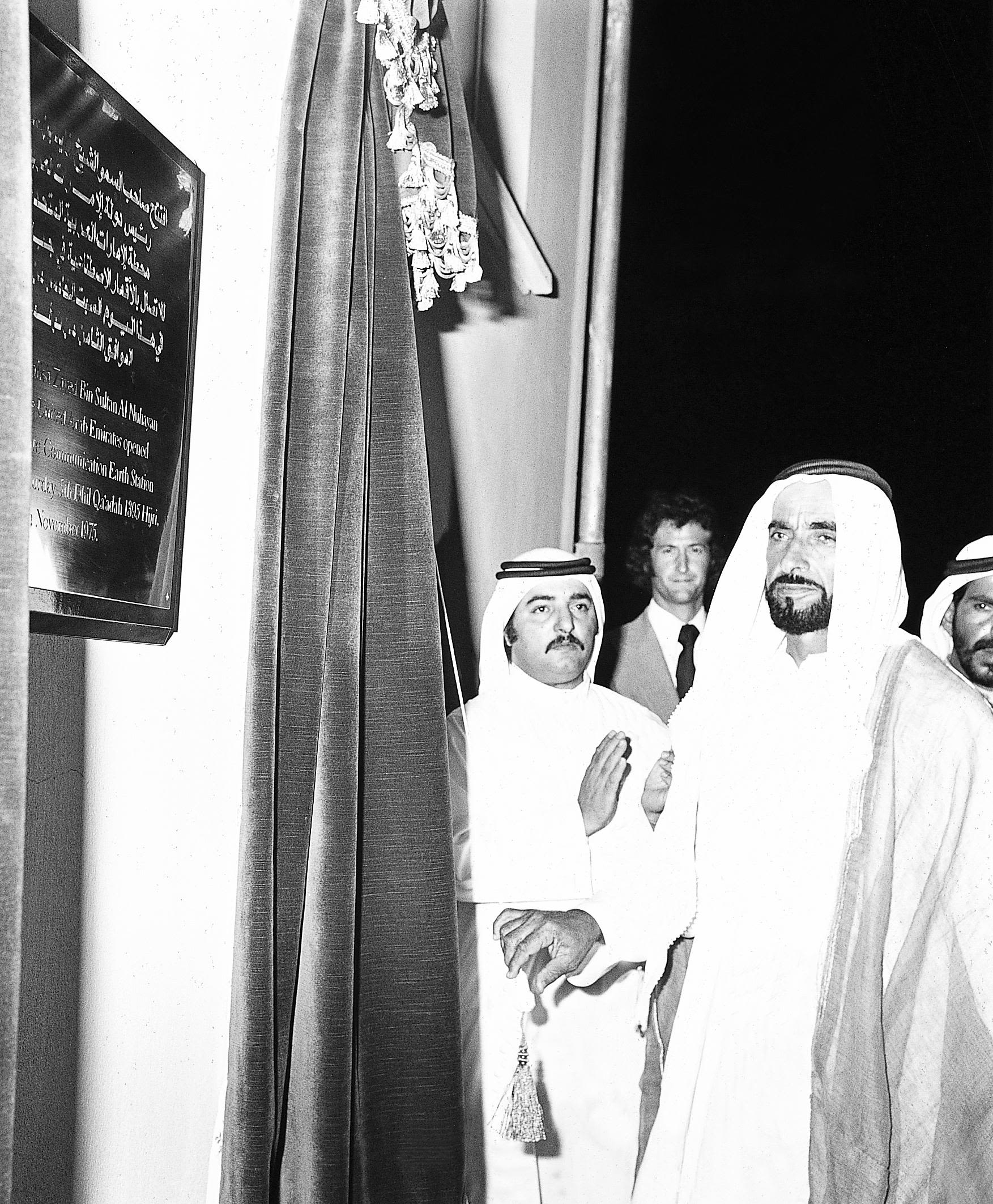
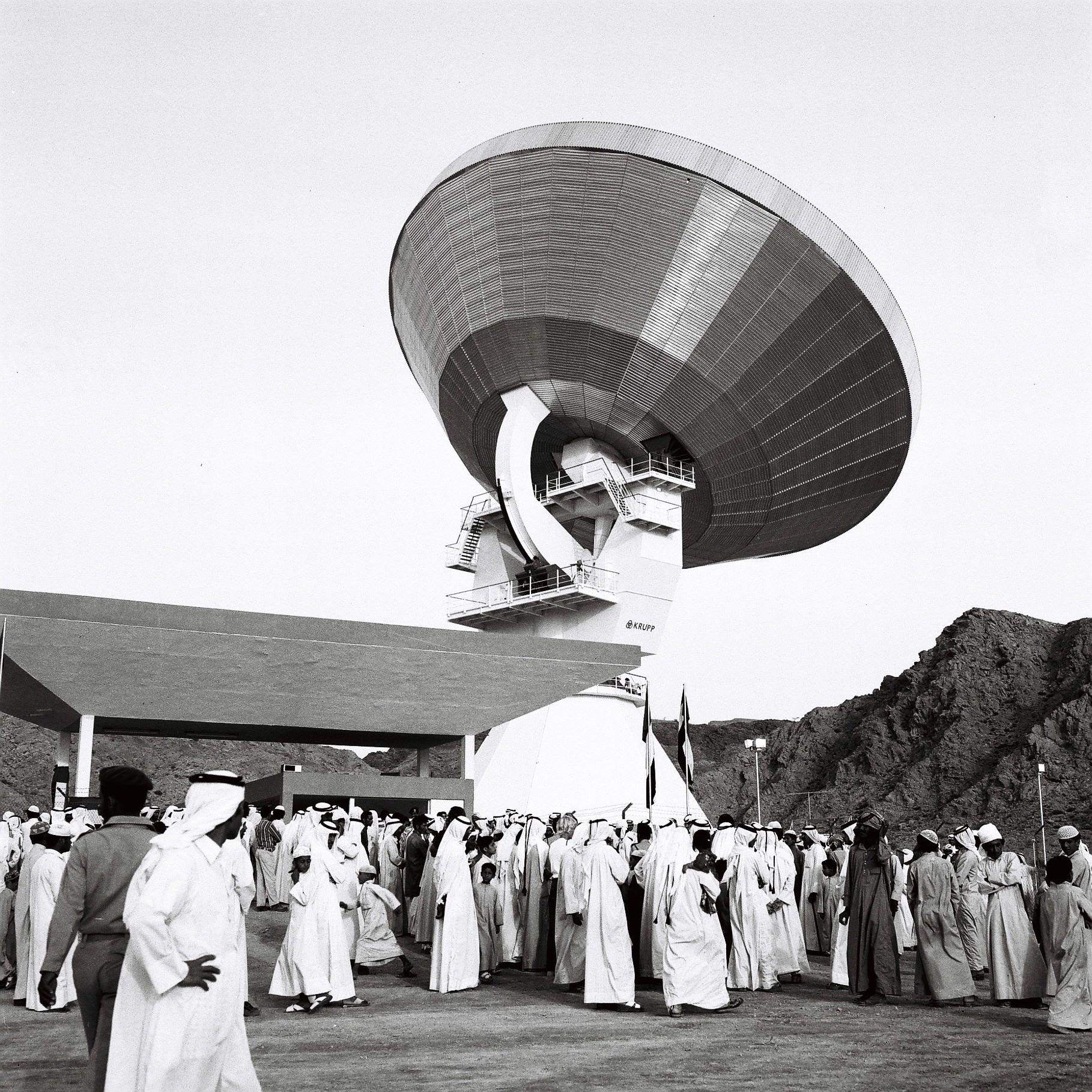
Sheikh Zayed opens the Jebel Ali Earth Station, a satellite tracking station. The occasion is marked with commemorative postage stamps.
December 1975
Dr El-Baz returns to Abu Dhabi to meet Sheikh Zayed. This time he is accompanied by astronaut James Irwin, who walked on the Moon during the Apollo 15 mission of 1971. Irwin presents Sheikh Zayed with a photograph taken on the flight in which the Earth had a crescent shape.
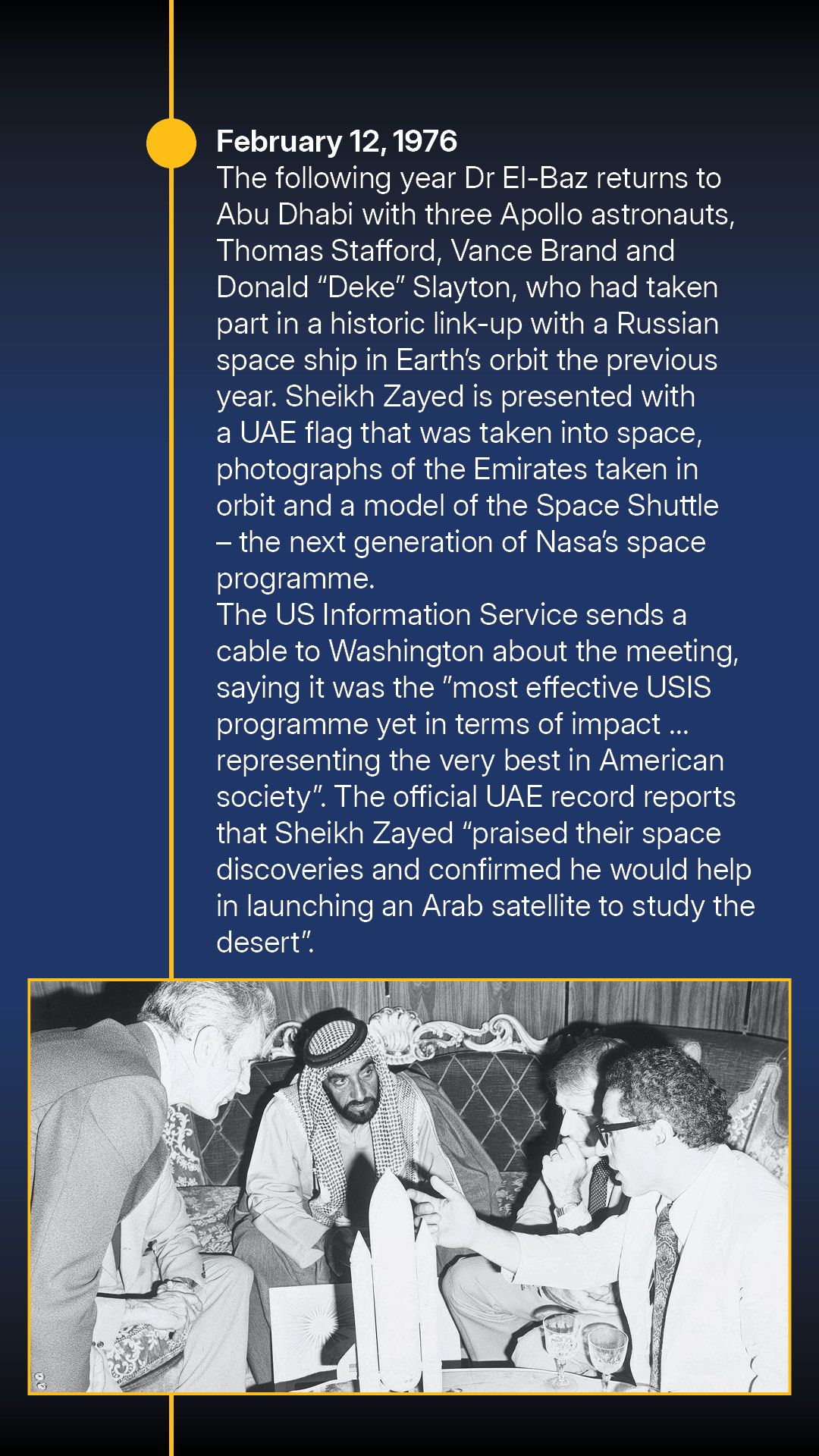
February 12, 1976
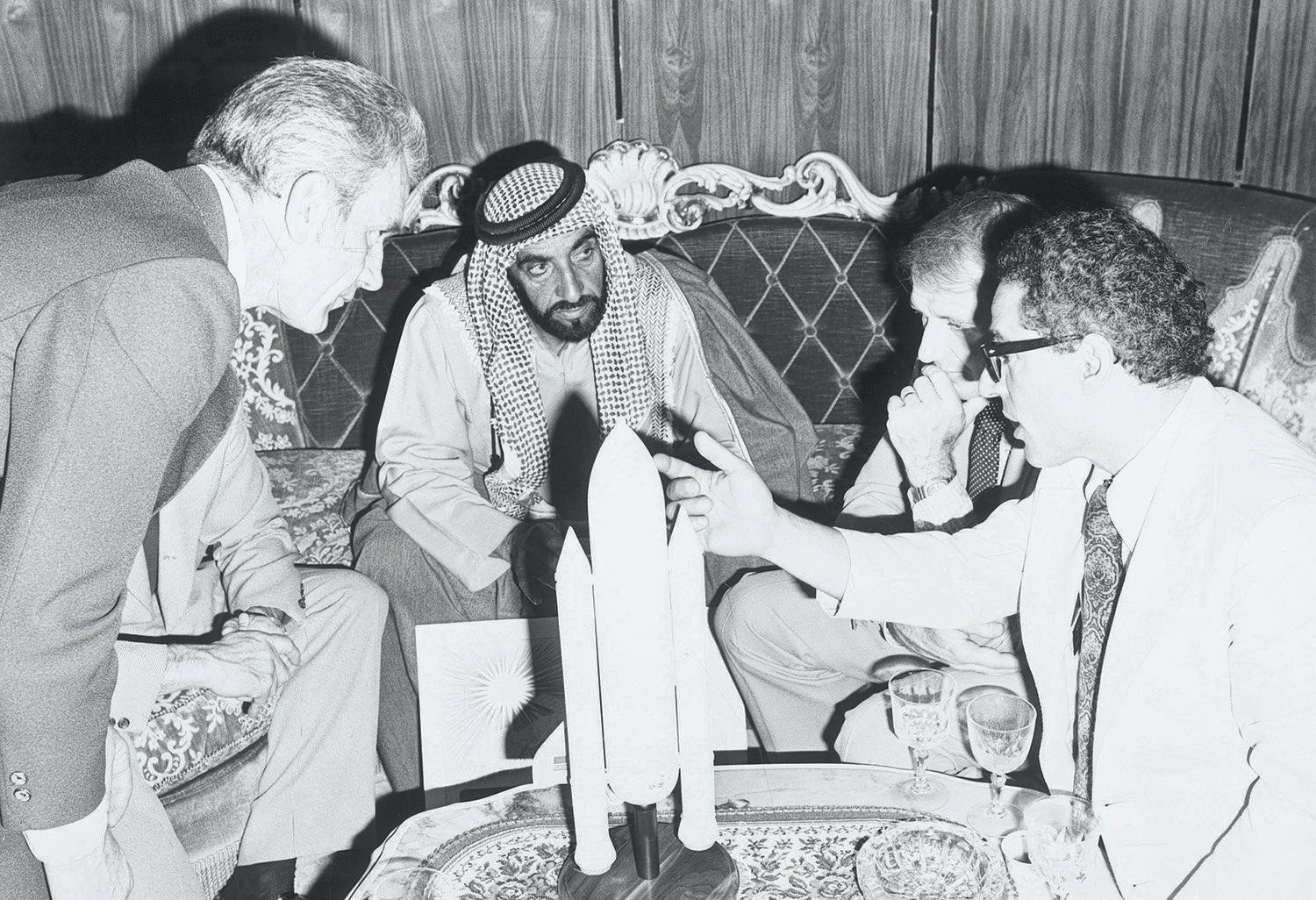
The following year Dr El-Baz returns to Abu Dhabi with three Apollo astronauts, Thomas Stafford, Vance Brand and Donald “Deke” Slayton, who had taken part in a historic link-up with a Russian space ship in Earth's orbit in 1975. Sheikh Zayed is presented with a UAE flag that was taken into space, photographs of the Emirates taken in orbit and a model of the Space Shuttle – the next generation of Nasa’s space programme.
The US Information Service sends a cable to Washington about the meeting, saying it was the ”most effective USIS programme yet in terms of impact … representing the very best in American society”. The official UAE record reports that Sheikh Zayed “praised their space discoveries and confirmed he would help in launching an Arab satellite to study the desert”.
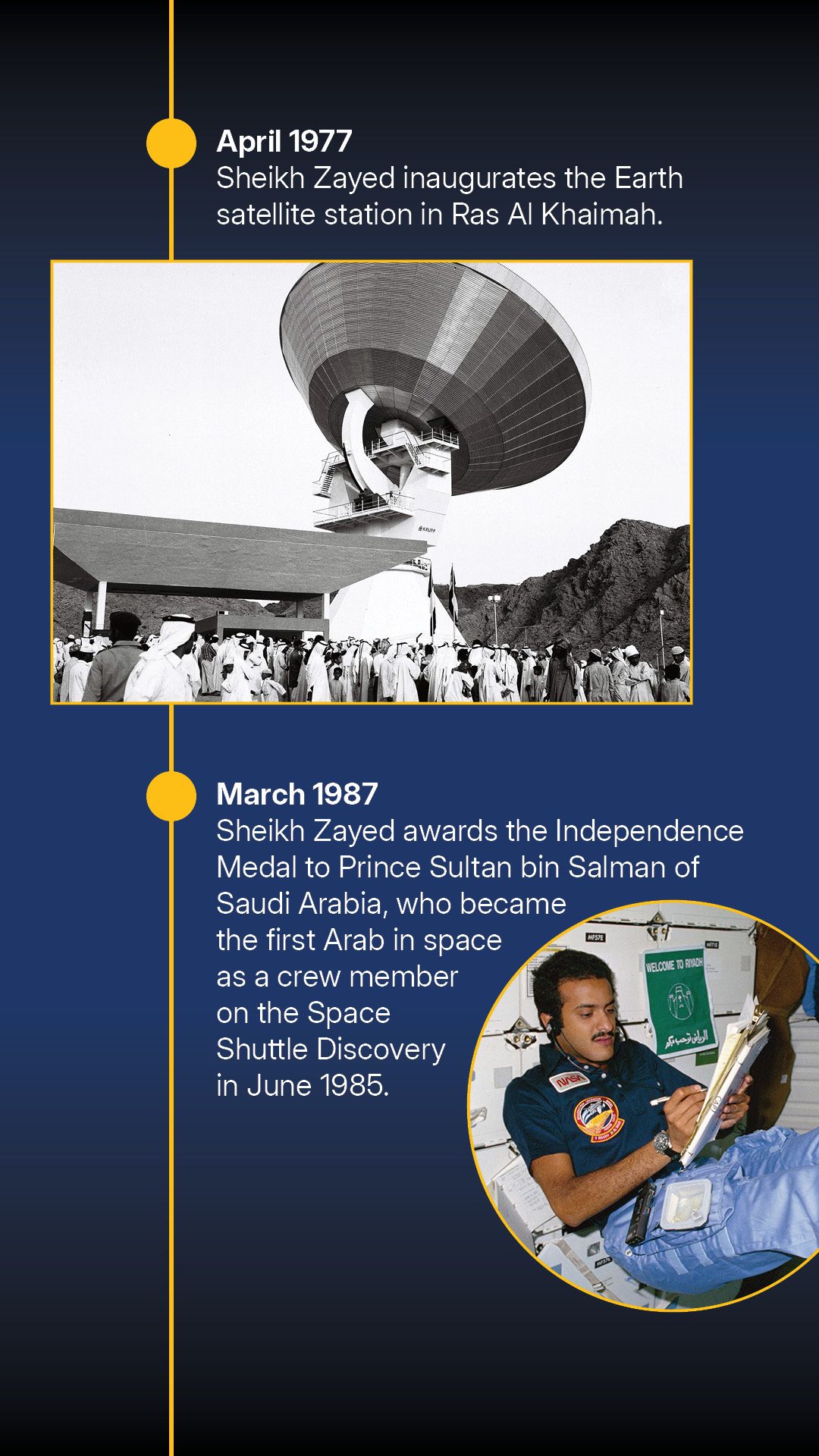
April 1977
Sheikh Zayed inaugurates the Earth satellite station in Ras Al Khaimah.
March 1987
Sheikh Zayed awards the Independence Medal to Prince Sultan bin Salman of Saudi Arabia, who became the first Arab in space as a crew member on the Space Shuttle Discovery in June 1985.

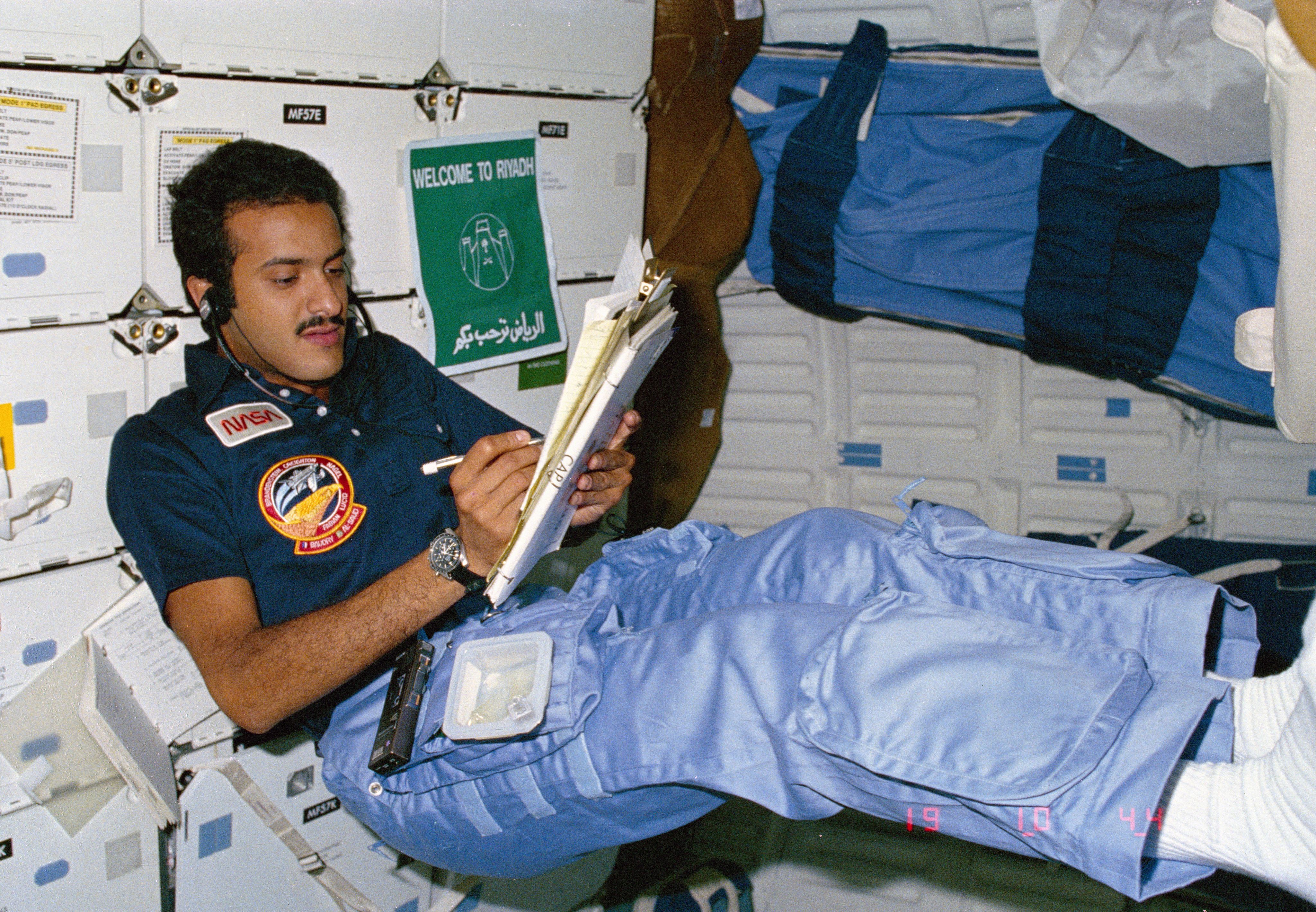
Payload specialist Prince Sultan bin Salman logs notes in Discovery's mid-deck area in June 1985. Getty Images
Payload specialist Prince Sultan bin Salman logs notes in Discovery's mid-deck area in June 1985. Getty Images
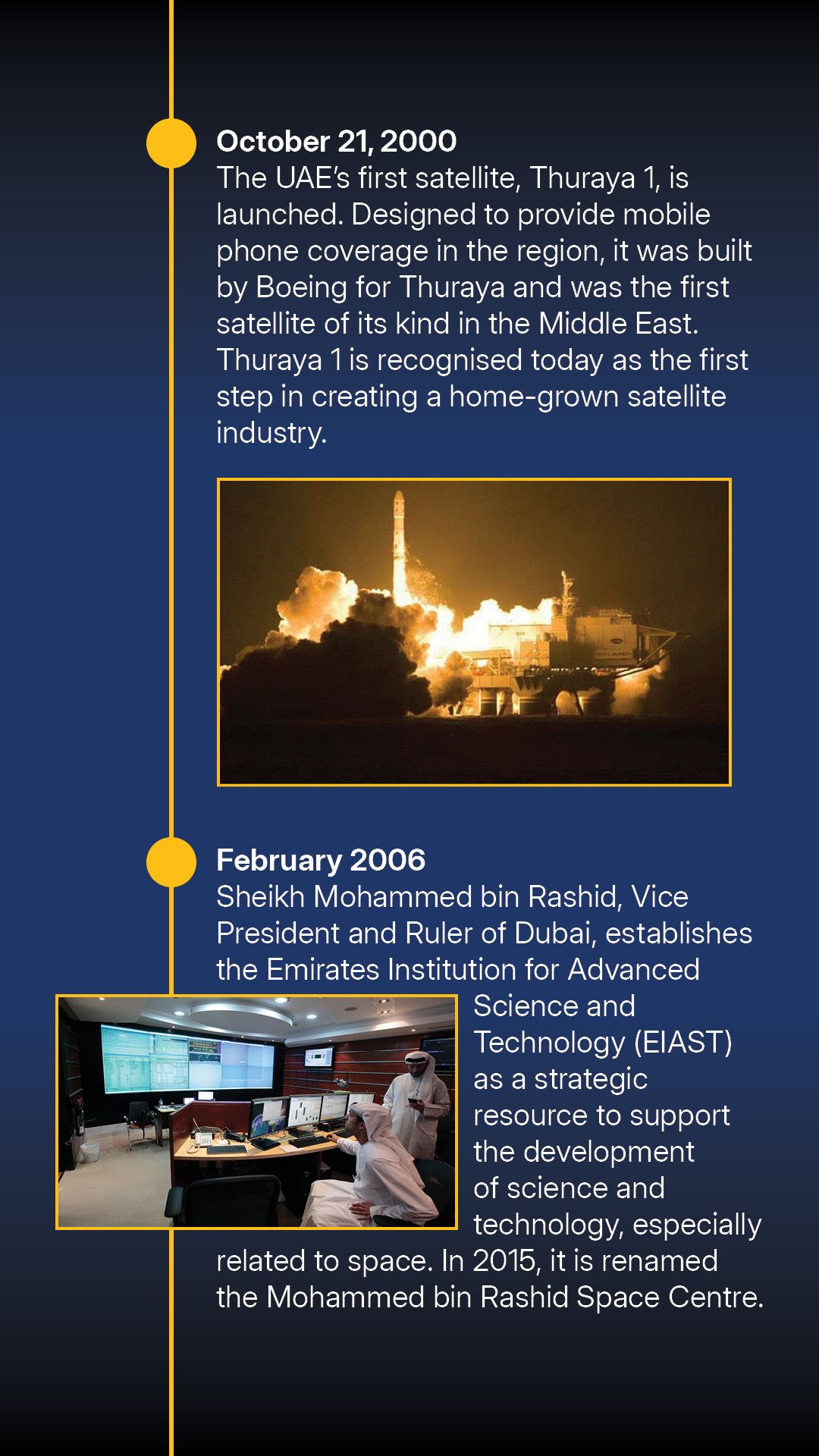
October 21, 2000
The UAE’s first satellite, Thuraya 1, is launched. Designed to provide mobile phone coverage in the region, it was built by Boeing for Thuraya and was the first satellite of its kind in the Middle East. Thuraya 1 is recognised today as the first step in creating a home-grown satellite industry.
February 2006
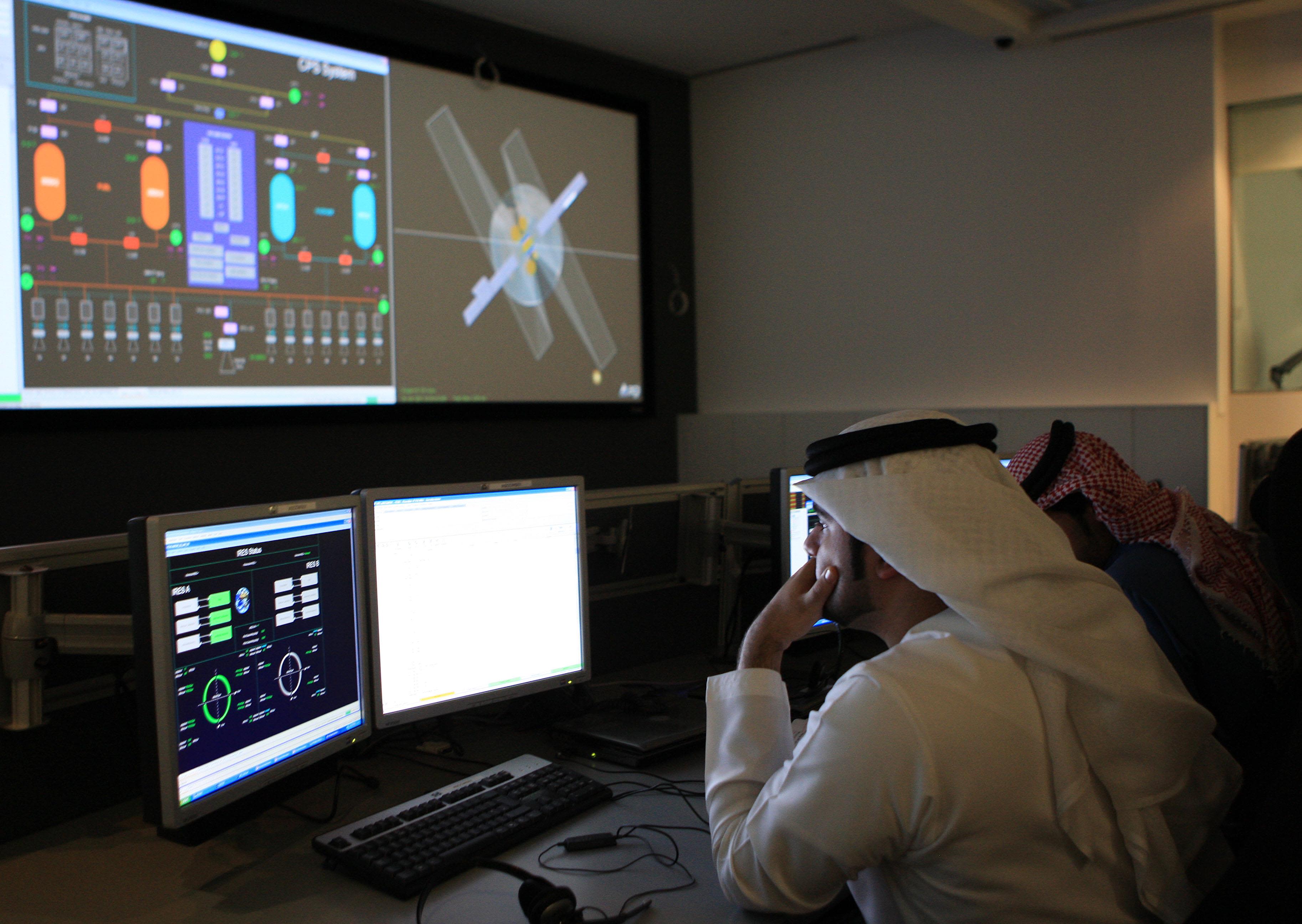
Sheikh Mohammed bin Rashid, Vice President and Ruler of Dubai, establishes the Emirates Institution for Advanced Science and Technology (EIAST) as a strategic resource to support the development of science and technology, especially related to space. In 2015, it is renamed the Mohammed bin Rashid Space Centre (MBRSC).

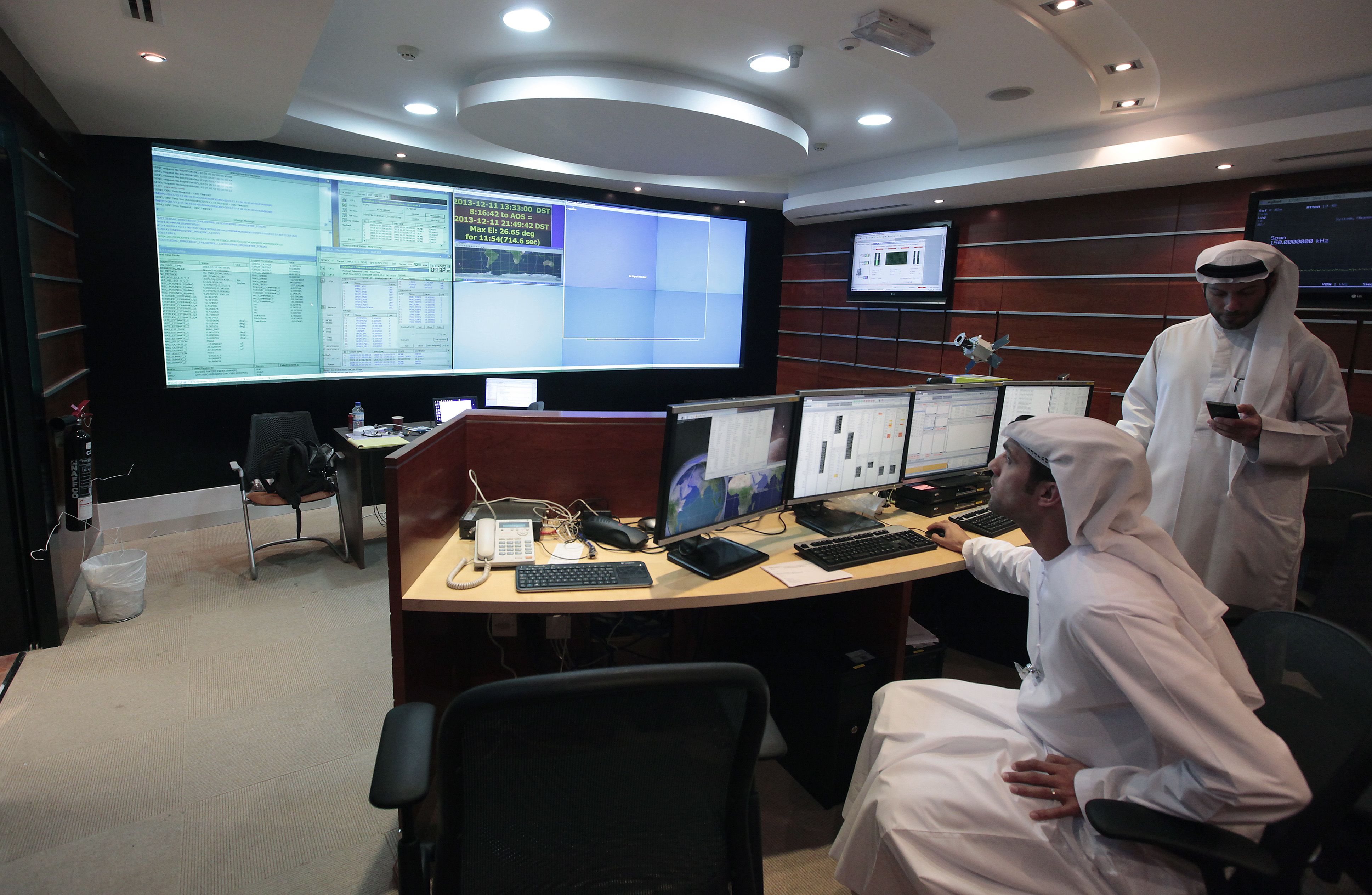
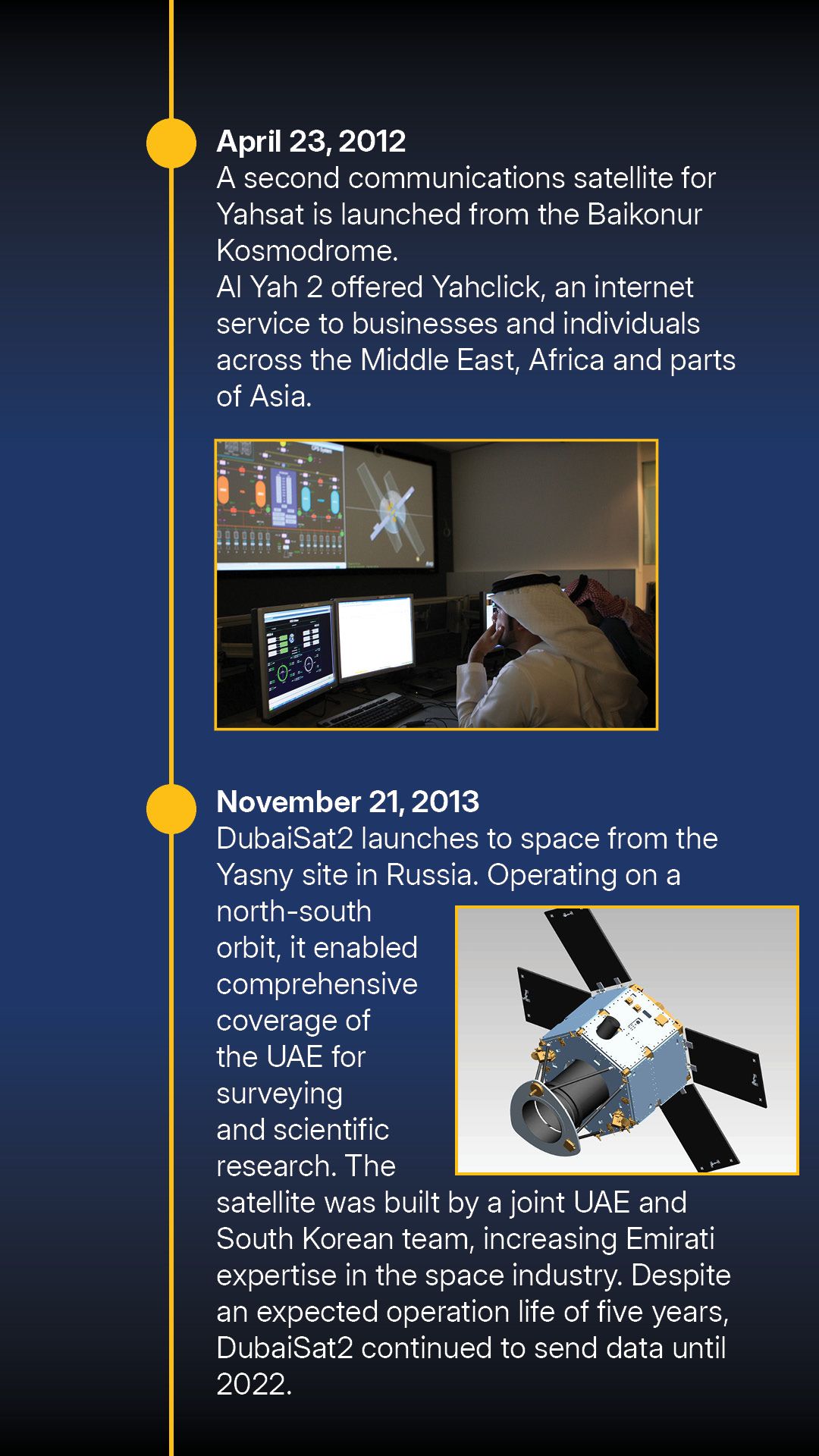
Inside the control room for two satellites in the Emirates Institution for Advanced Science and Technology in Dubai in 2013. Jeffrey E Biteng / The National
Inside the control room for two satellites in the Emirates Institution for Advanced Science and Technology in Dubai in 2013. Jeffrey E Biteng / The National

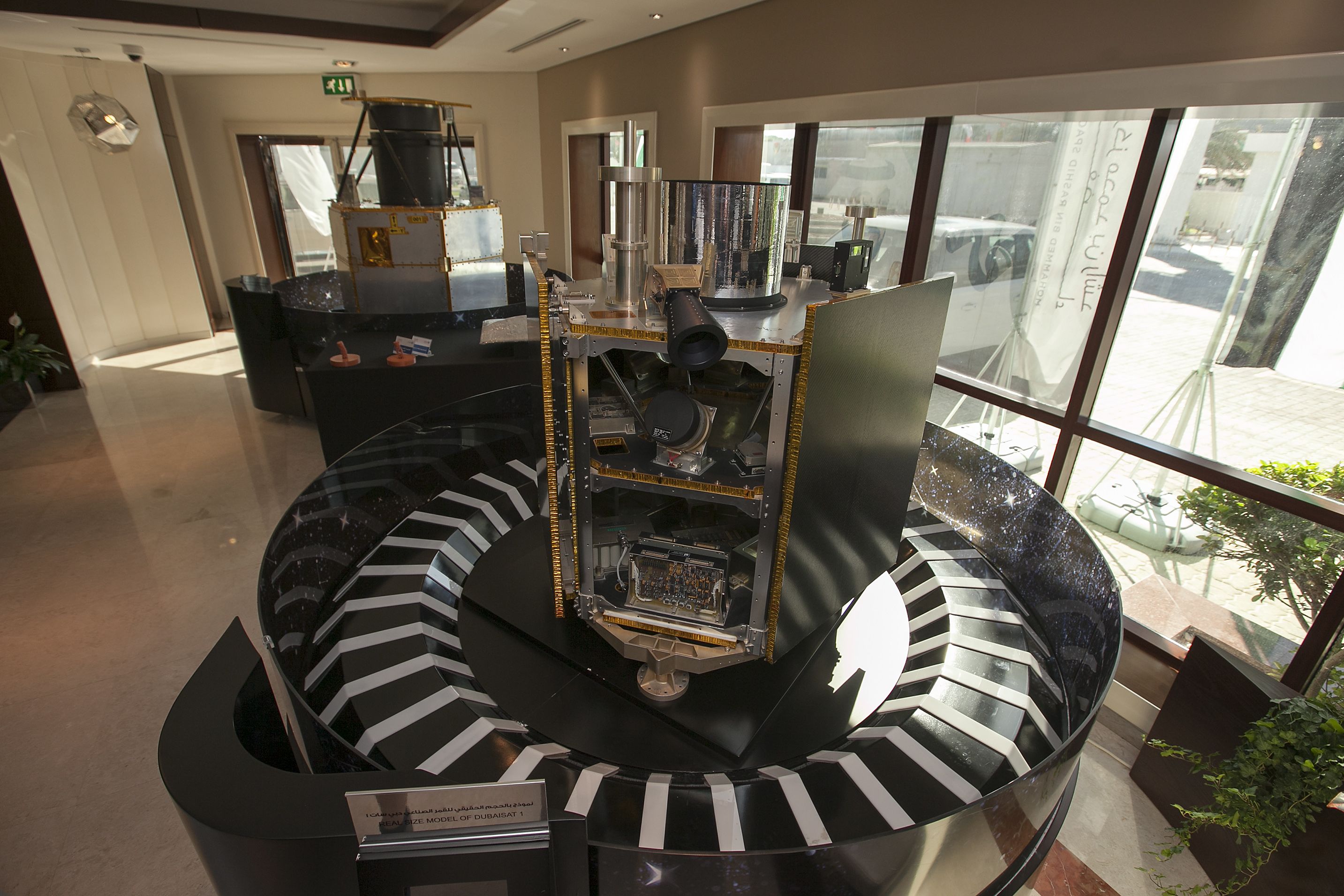
A model DubaiSat-1 at the Mohammed bin Rashid Space Centre in 2015. Jeffrey E Biteng / The National
A model DubaiSat-1 at the Mohammed bin Rashid Space Centre in 2015. Jeffrey E Biteng / The National
July 2009
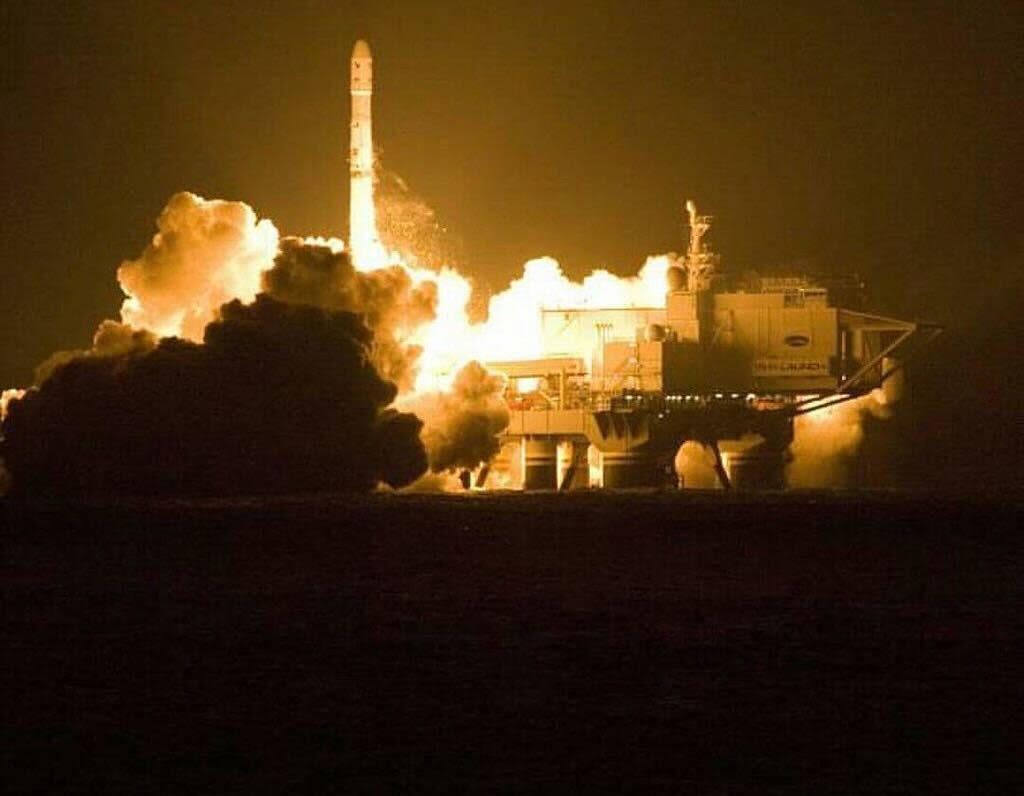
DubaiSat-1 becomes the first satellite to be built by EIAST. Constructed in a joint venture with South Korean space engineers, the observation satellite paved the way for a homegrown space industry. It is blasted into orbit from the Baikonur launch site in Kazakhstan on July 29. DubaiSat transmitted high-quality images of the UAE and assisted United Nations relief efforts. It remained in operation for six years, a year longer than its intended lifespan.
April 22, 2011
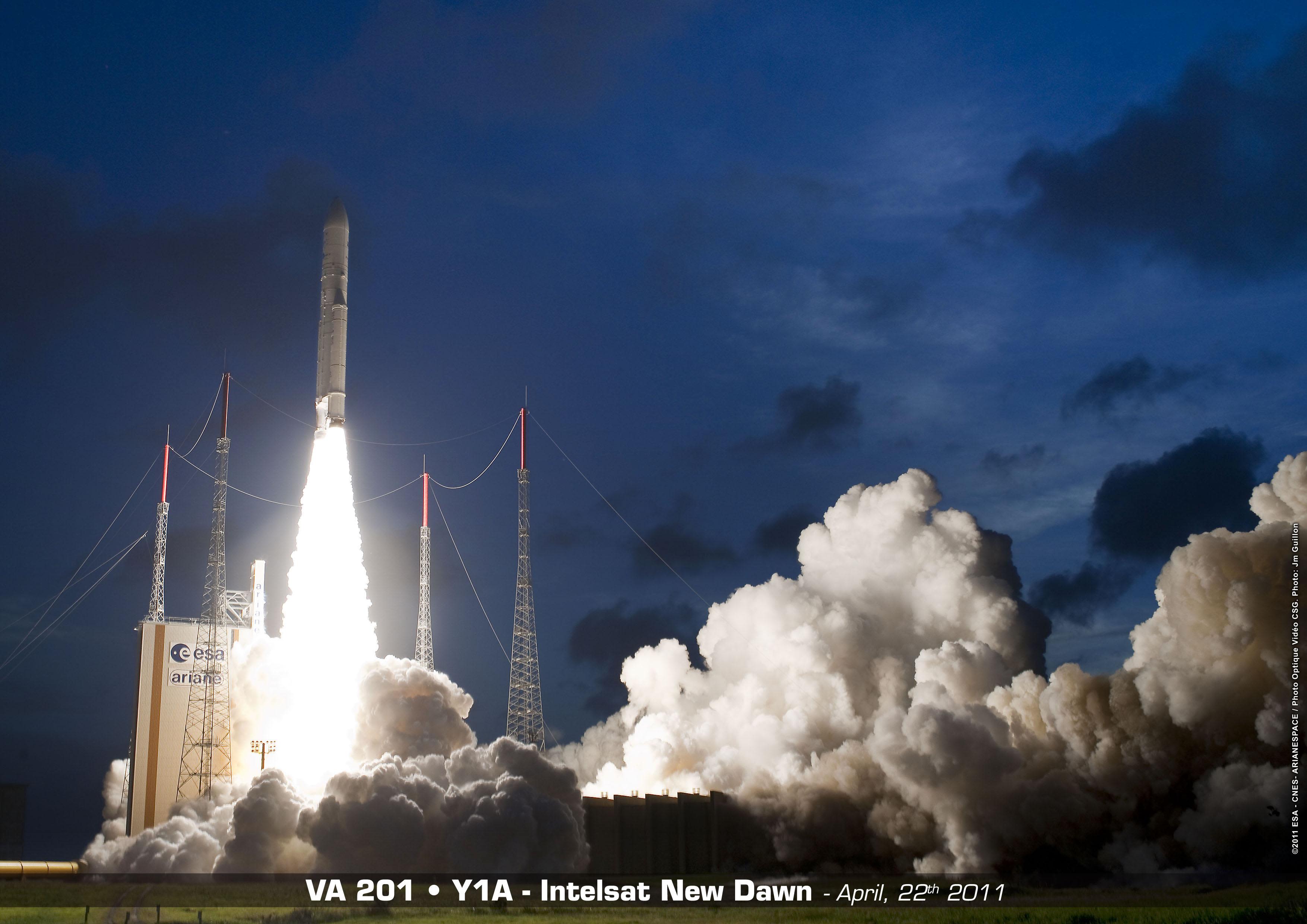
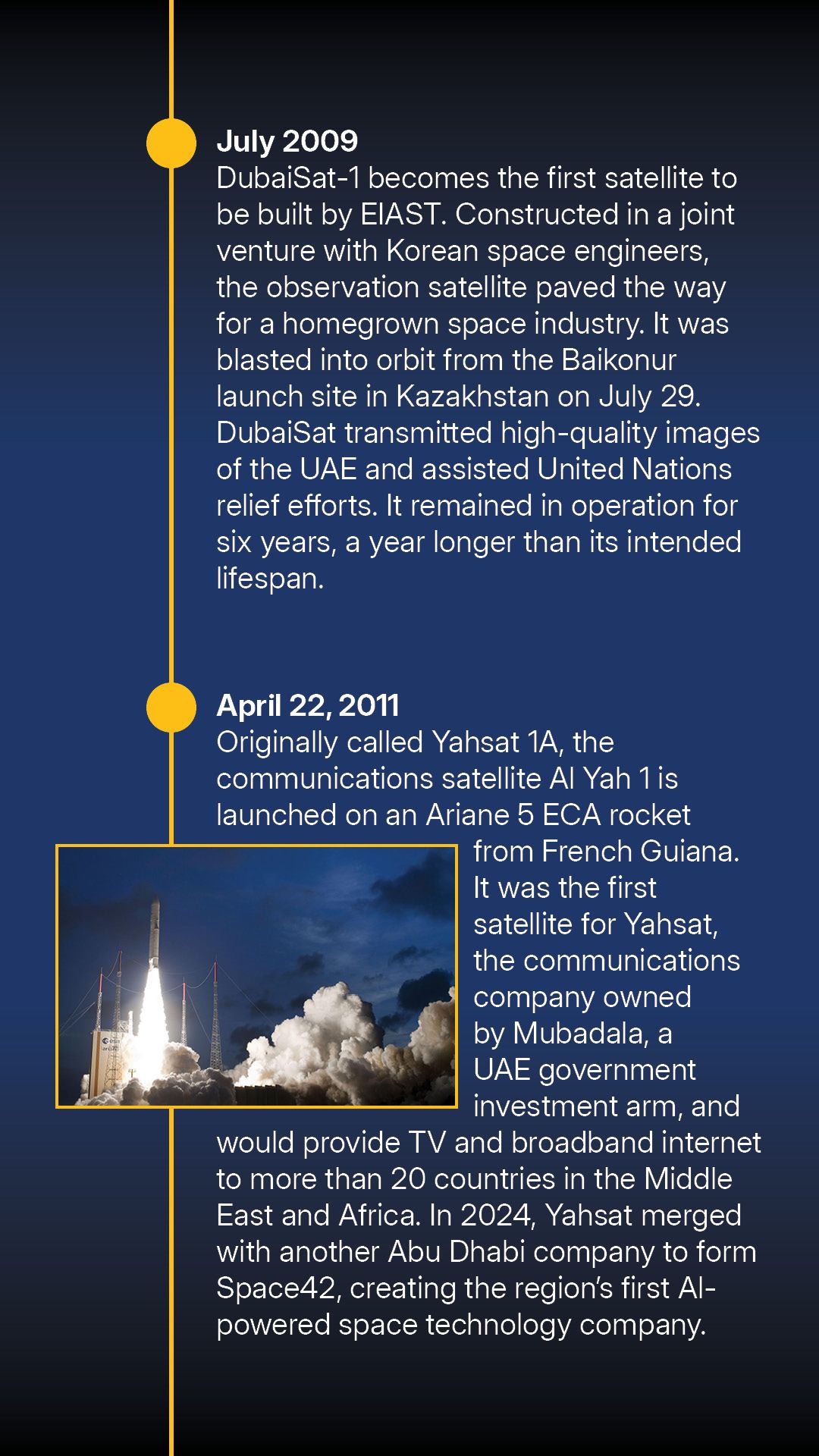
Originally called Yahsat 1A, the communications satellite Al Yah 1 is launched on an Ariane 5 ECA rocket from French Guiana. It was the first satellite for Yahsat, the communications company owned by Mubadala, a UAE government investment arm, and would provide TV and broadband internet to countries in the Middle East and Africa. In 2024, Yahsat merged with Abu Dhabi company Bayanat to form Space42, creating the region’s first Al-powered space technology company.
April 23, 2012
A second communications satellite for Yahsat is launched from the Baikonur Cosmodrome.
Al Yah 2 offered Yahclick, an internet service to businesses and individuals across the Middle East, Africa and parts of Asia.

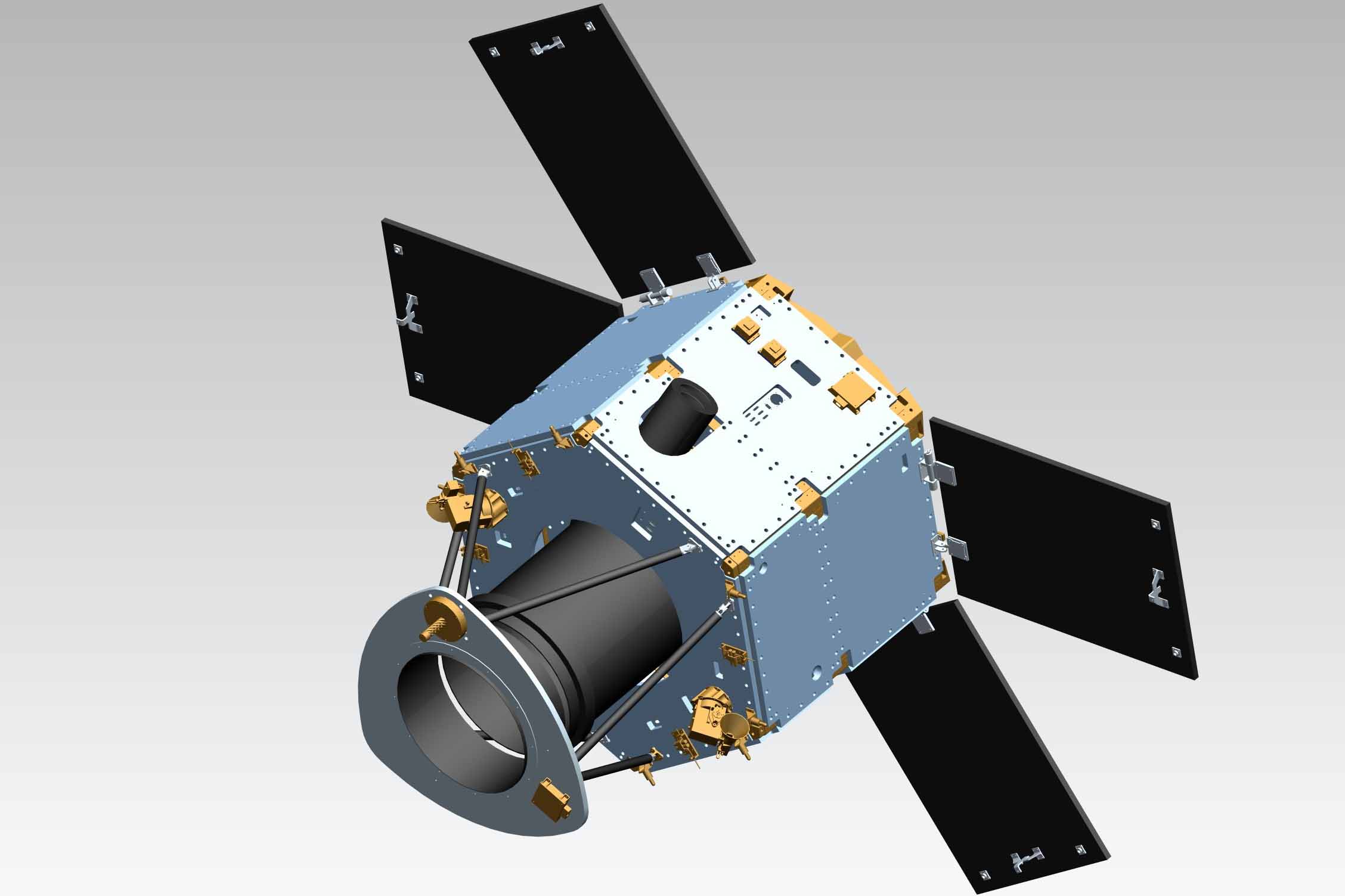
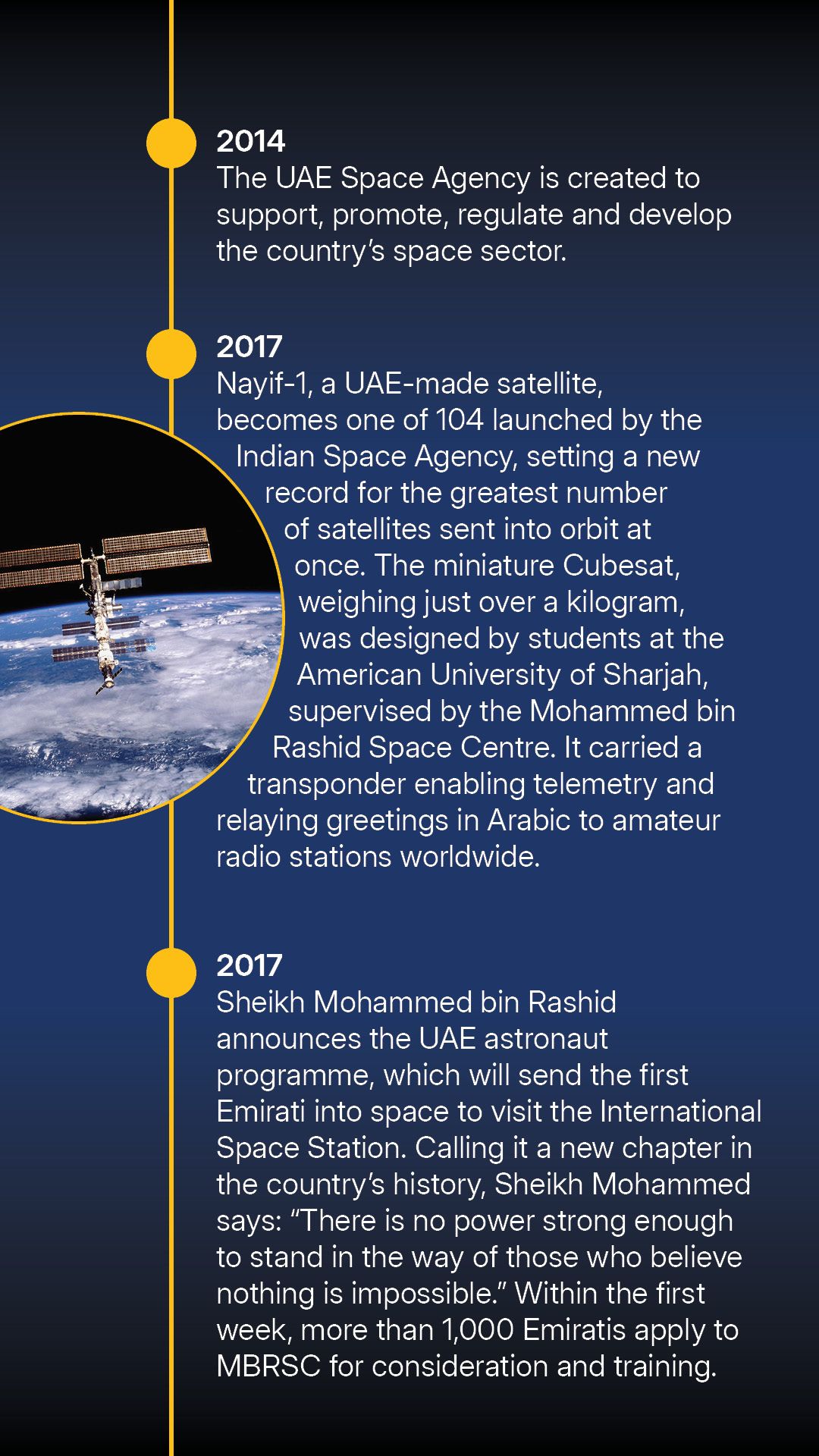
A rendering of DubaiSat-2. Photo: MBRSC
A rendering of DubaiSat-2. Photo: MBRSC
November 21, 2013
DubaiSat-2 launches to space from the Yasny site in Russia. Operating on a north-south orbit, it enabled comprehensive coverage of the UAE for surveying and scientific research. The satellite was built by a joint UAE and South Korean team, increasing Emirati expertise in the space industry. Despite an expected operation life of five years, DubaiSat-2 continued to send data until 2022.
2014
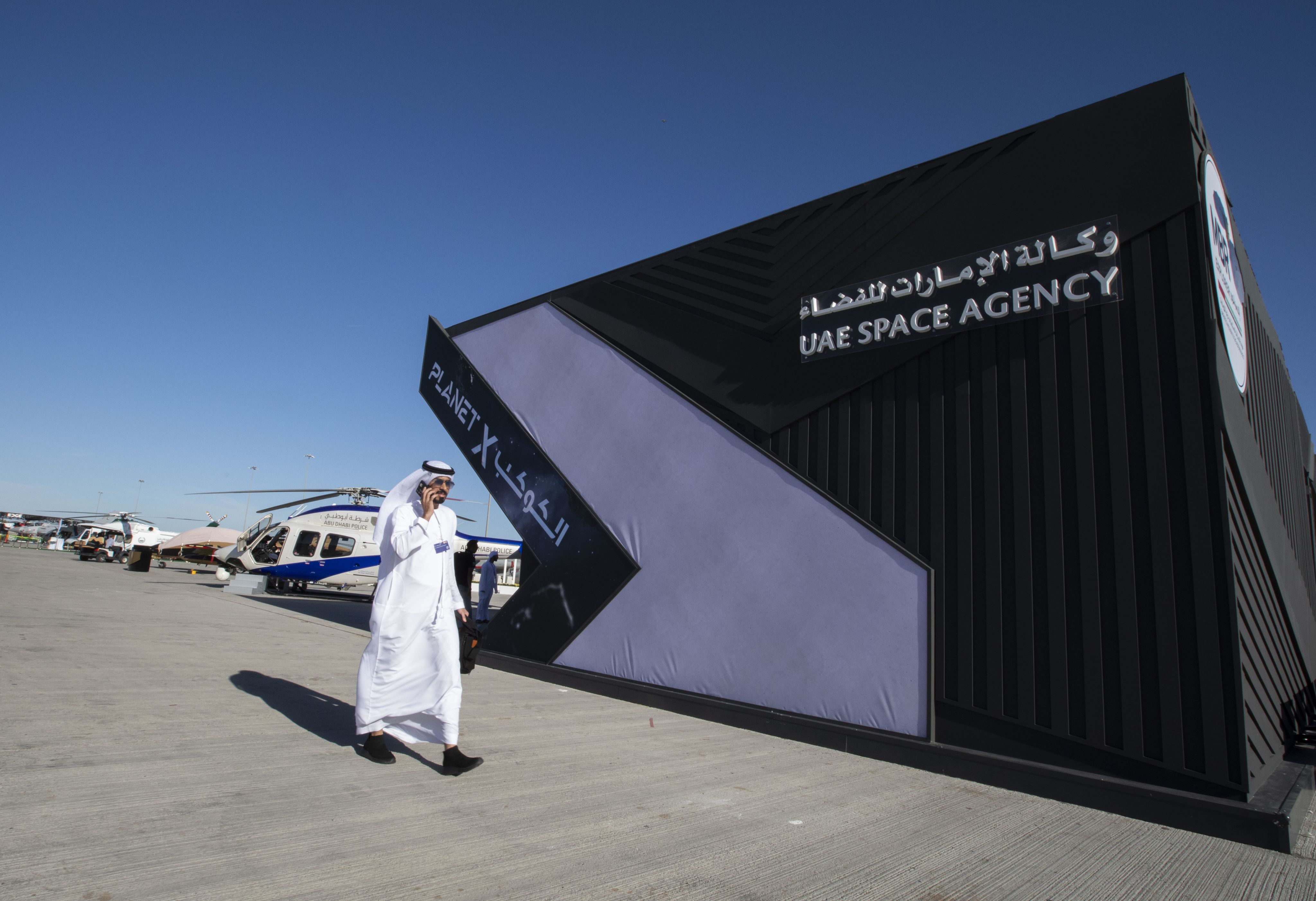
The UAE Space Agency is created to support, promote, regulate and develop the country’s space sector.

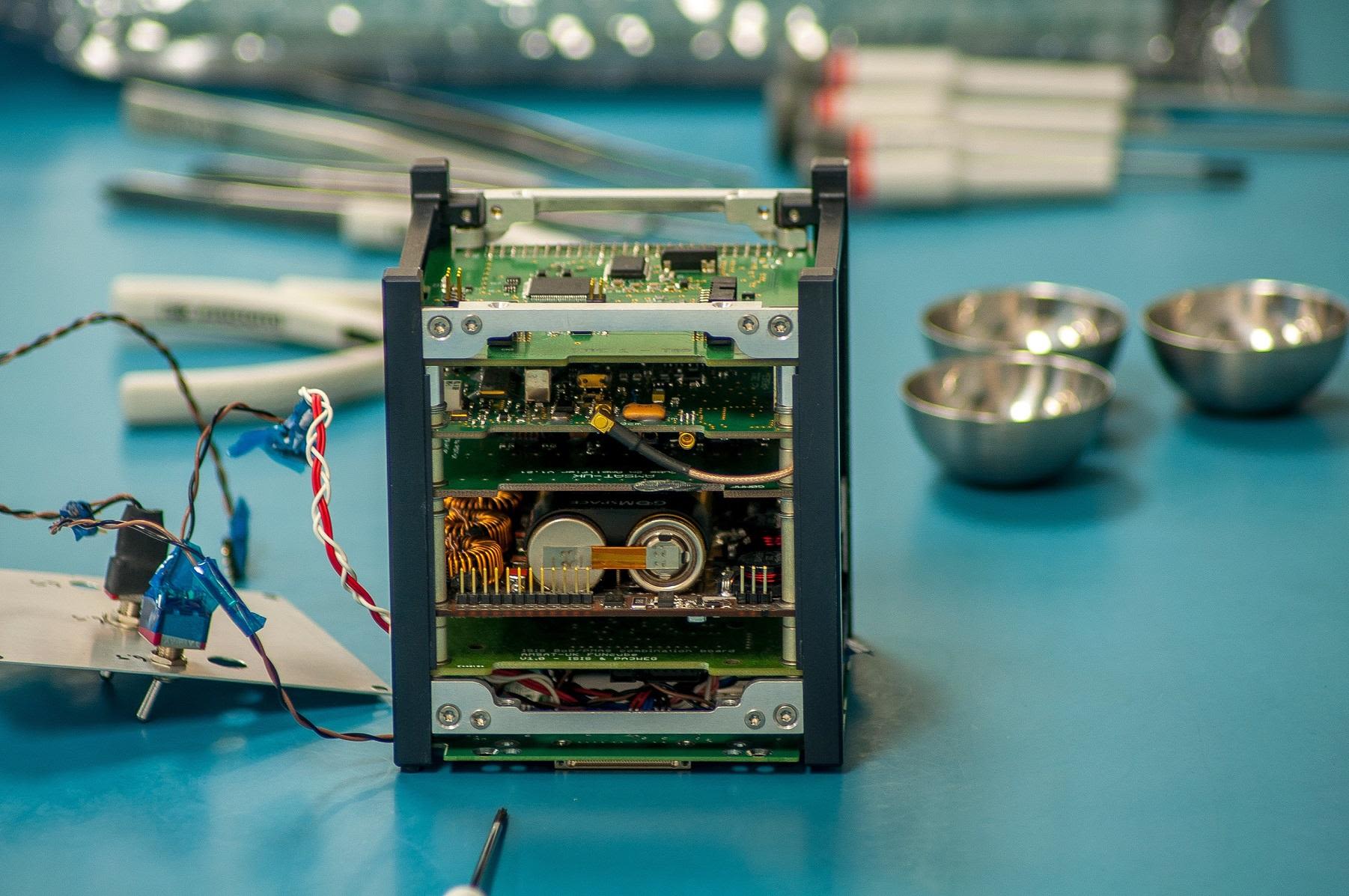
Nanosatellite Nayif-1 was developed by Emirati engineering students from the American University of Sharjah under the supervision of experts from the Mohammed bin Rashid Space Centre. Photo: MBRSC
Nanosatellite Nayif-1 was developed by Emirati engineering students from the American University of Sharjah under the supervision of experts from the Mohammed bin Rashid Space Centre. Photo: MBRSC
2017
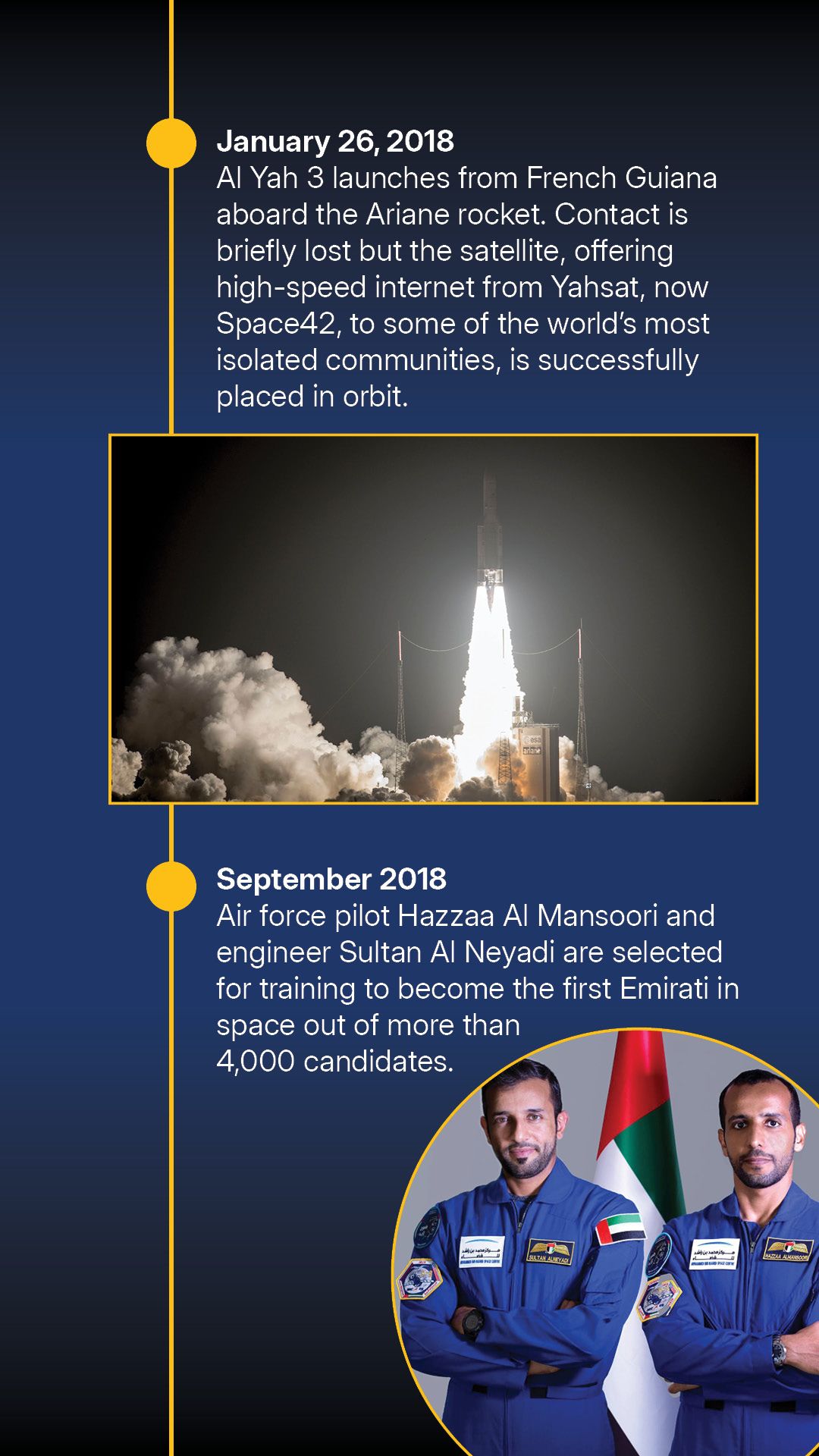
Nayif-1, a UAE-made satellite, becomes one of 104 launched by the Indian Space Research Organisation, setting a new record for the greatest number of satellites sent into orbit at once. The miniature CubeSat, weighing just over a kilogram, was designed by students at the American University of Sharjah, supervised by the Mohammed bin Rashid Space Centre. It carried a transponder enabling telemetry and relaying greetings in Arabic to amateur radio stations worldwide.
2017
Sheikh Mohammed bin Rashid announces the UAE astronaut programme, which will send the first Emirati into space to visit the International Space Station. Calling it a new chapter in the country’s history, Sheikh Mohammed says: "There is no power strong enough to stand in the way of those who believe nothing is impossible.” Within the first week, more than 1,000 Emiratis apply to MBRSC for consideration and training.

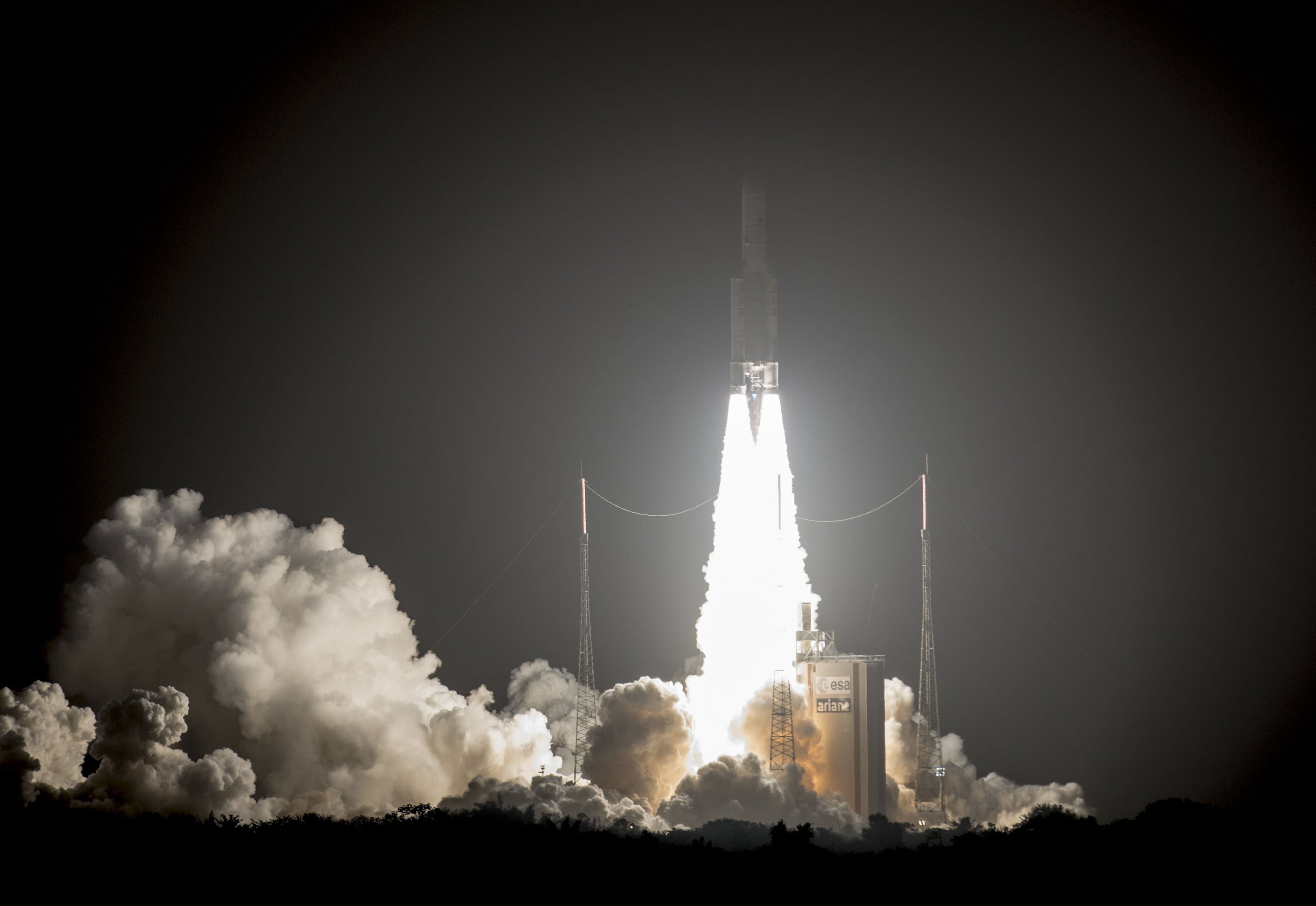
The Ariane 5 rocket carrying Al Yah 3 blasts off from French Guiana. EPA
The Ariane 5 rocket carrying Al Yah 3 blasts off from French Guiana. EPA
January 26, 2018
Al Yah 3 launches from French Guiana aboard the Ariane rocket. Contact is briefly lost but the satellite, offering high-speed internet from Yahsat (now Space42) to some of the world’s most isolated communities, is successfully placed in orbit.
September 2018
Air Force pilot Hazza Al Mansouri and engineer Sultan Al Neyadi are selected for training to become the first Emiratis in space out of more than 4,000 candidates.

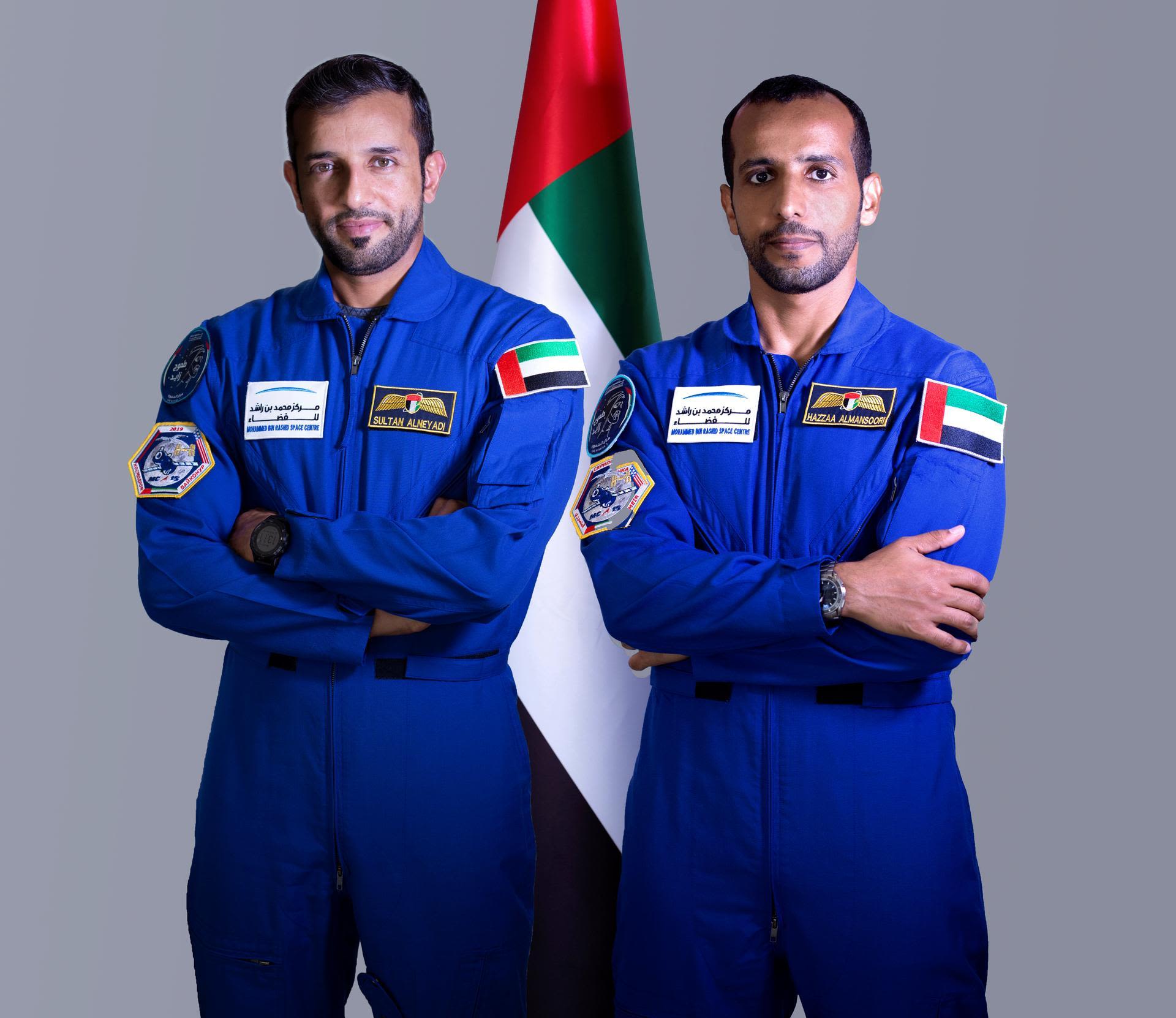
Hazza Al Mansouri and Sultan Al Neyadi are chosen as the finalists to become the UAE's first astronauts. Photo: Dubai Media Office
Hazza Al Mansouri and Sultan Al Neyadi are chosen as the finalists to become the UAE's first astronauts. Photo: Dubai Media Office
October 2018
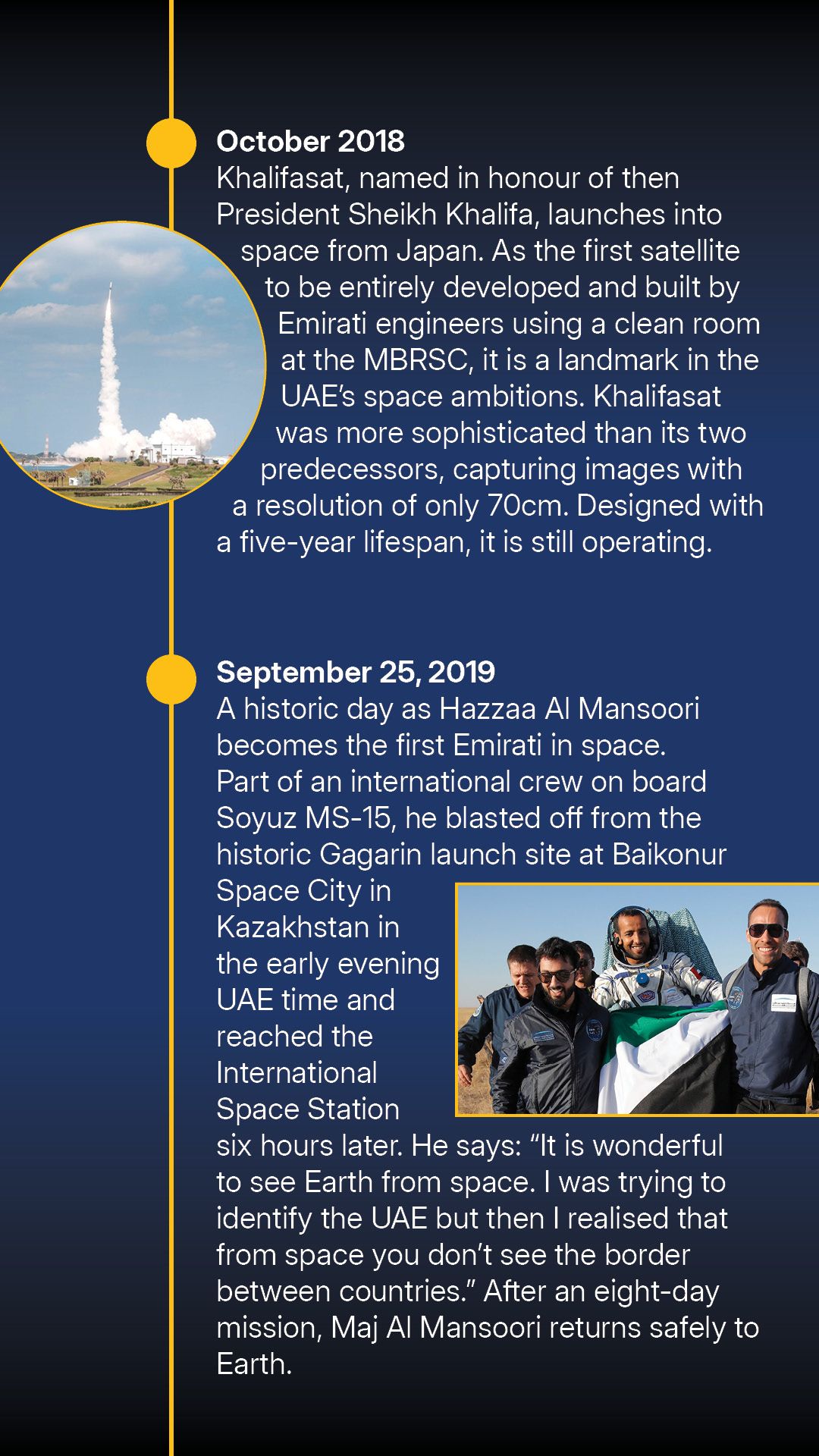
KhalifaSat, named in honour of then President Sheikh Khalifa, launches into space from Japan. As the first satellite to be entirely developed and built by Emirati engineers using a clean room at the MBRSC, it is a landmark in the UAE's space ambitions. KhalifaSat was more sophisticated than its two predecessors, capturing images with a resolution of only 70cm. Designed with a five-year lifespan, it is still operating.
September 25, 2019
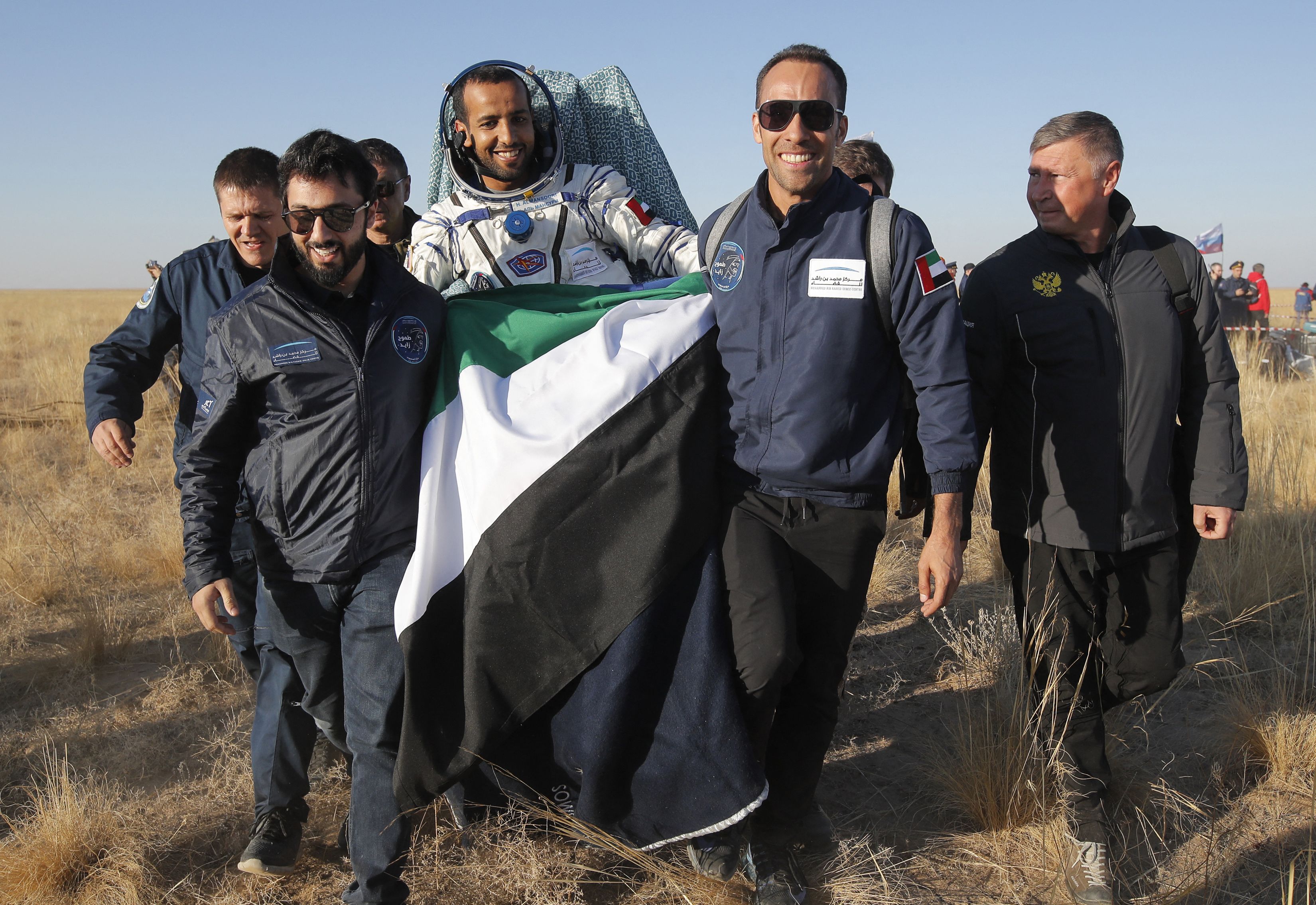
A historic day as Hazza Al Mansouri becomes the first Emirati in space. Part of an international crew on board Soyuz MS-15, he blasted off from the famed Gagarin launch site at Baikonur Space City in Kazakhstan in the early evening (UAE time) and reached the International Space Station six hours later. He says: "It is wonderful to see Earth from space. I was trying to identify the UAE but then I realised that from space you don't see the borders between countries." After an eight-day mission, Major Al Mansouri returns safely to Earth.

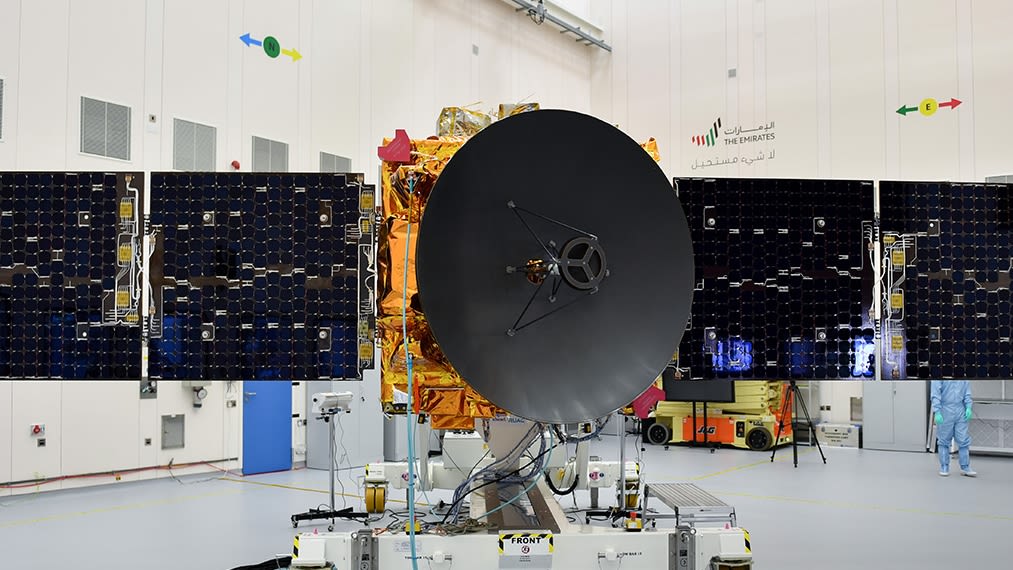
The Hope Probe was built by 150 Emirati engineers. Photo: MBRSC
The Hope Probe was built by 150 Emirati engineers. Photo: MBRSC
July 2020
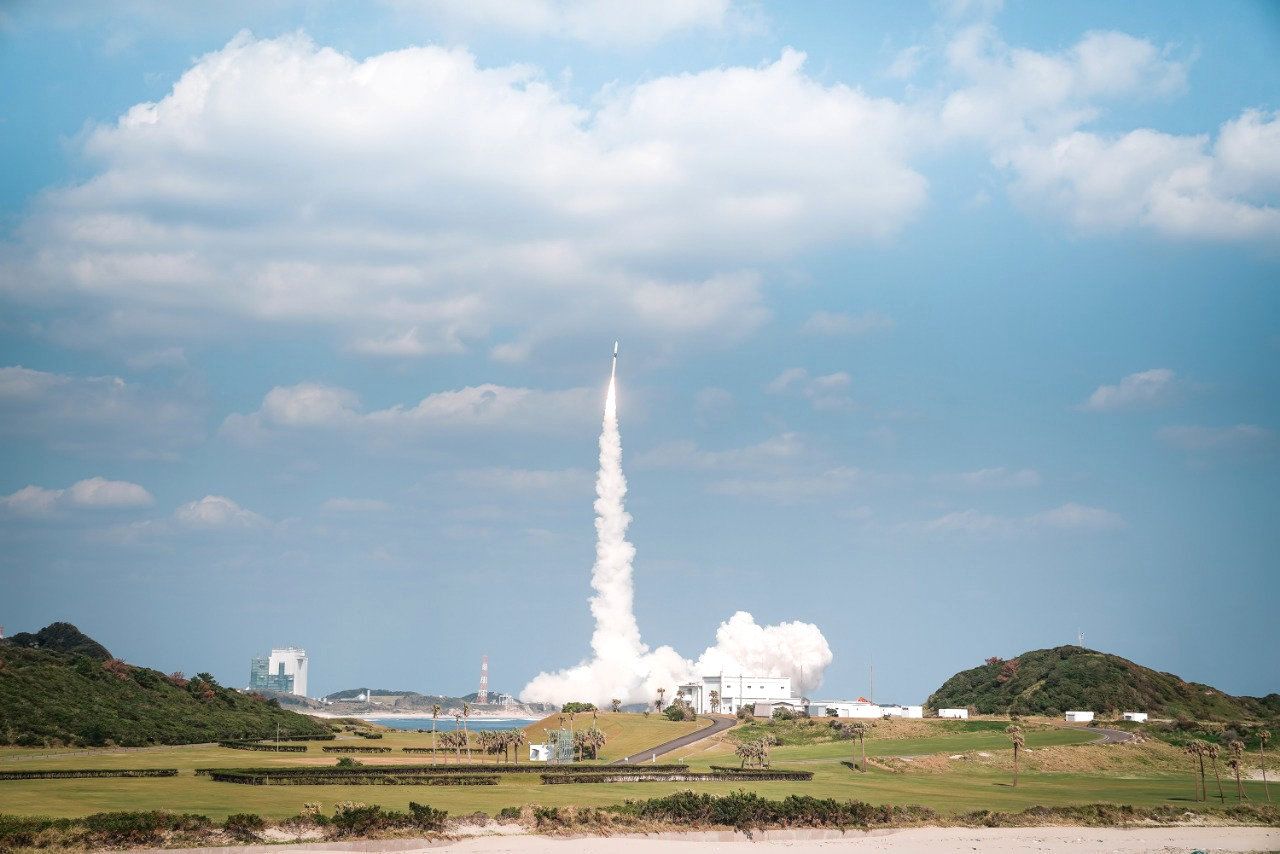
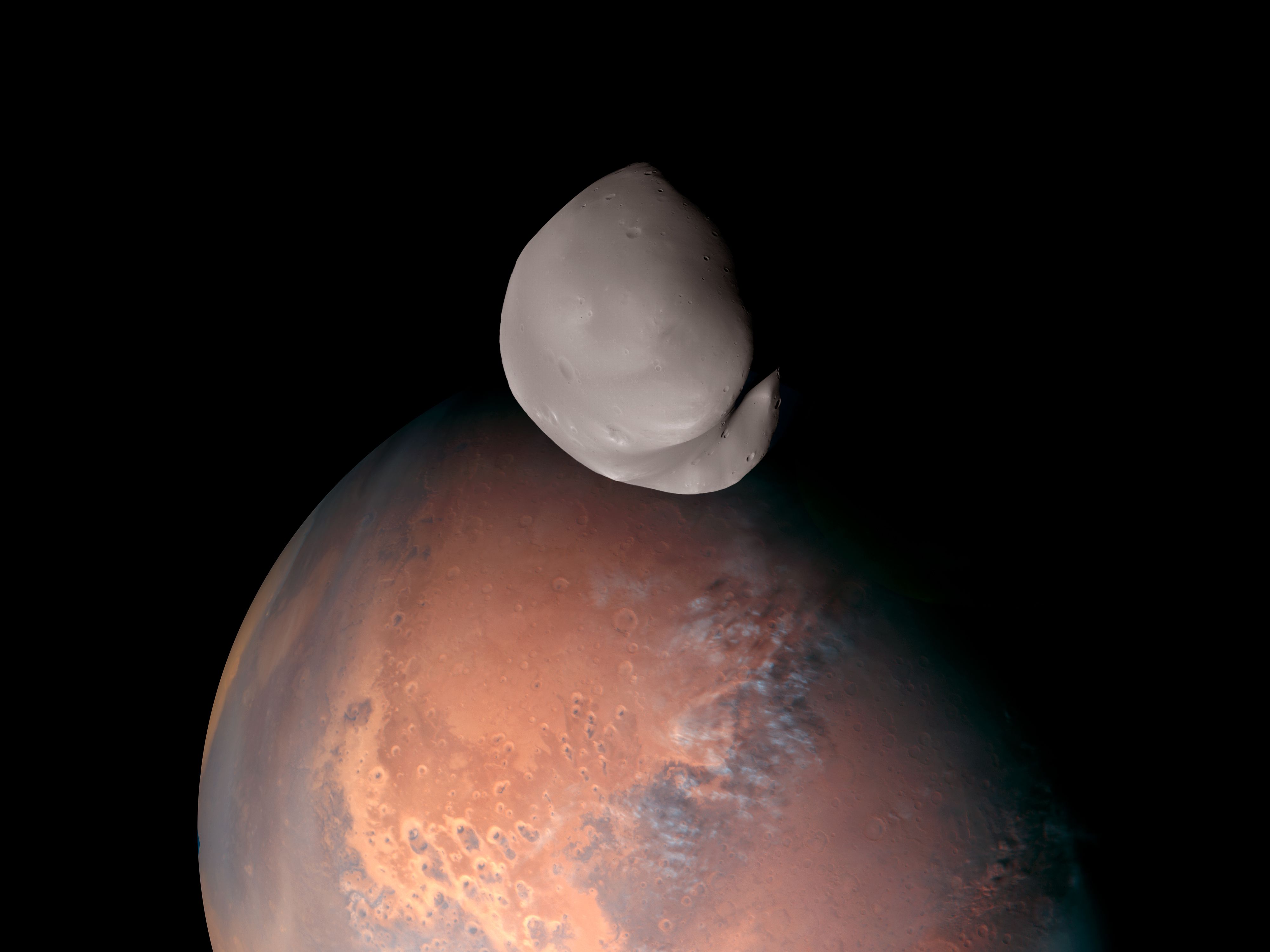
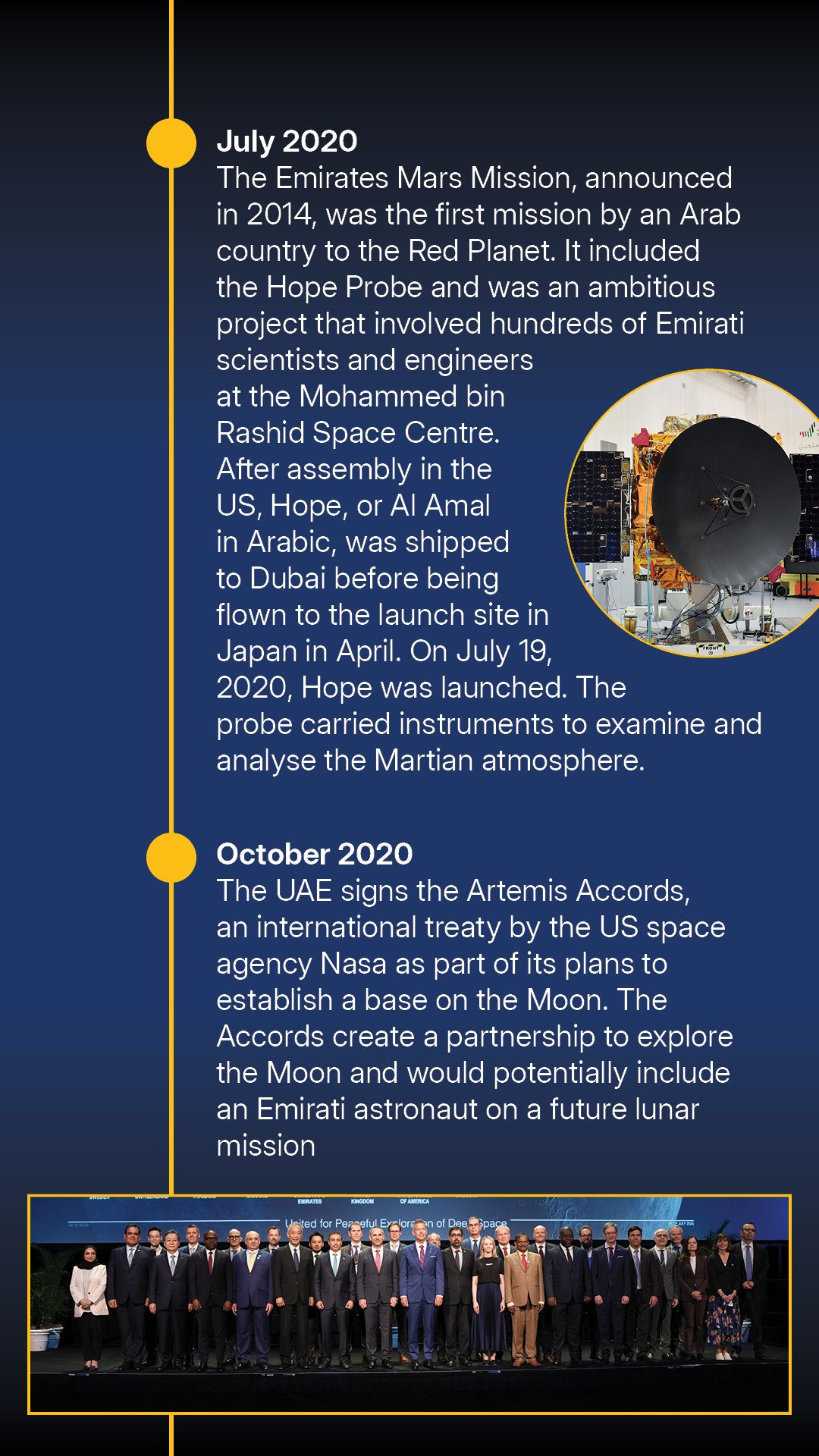
The Emirates Mars Mission, announced in 2014, was the first mission by an Arab country to the Red Planet. It included the Hope Probe and was an ambitious project that involved hundreds of Emirati scientists and engineers at the Mohammed bin Rashid Space Centre. After assembly in the US, Hope, or Al Amal in Arabic, was shipped to Dubai before being flown to the launch site in Japan in April. On July 20, 2020, Hope was launched. The probe carried instruments to examine and analyse the Martian atmosphere.
October 2020
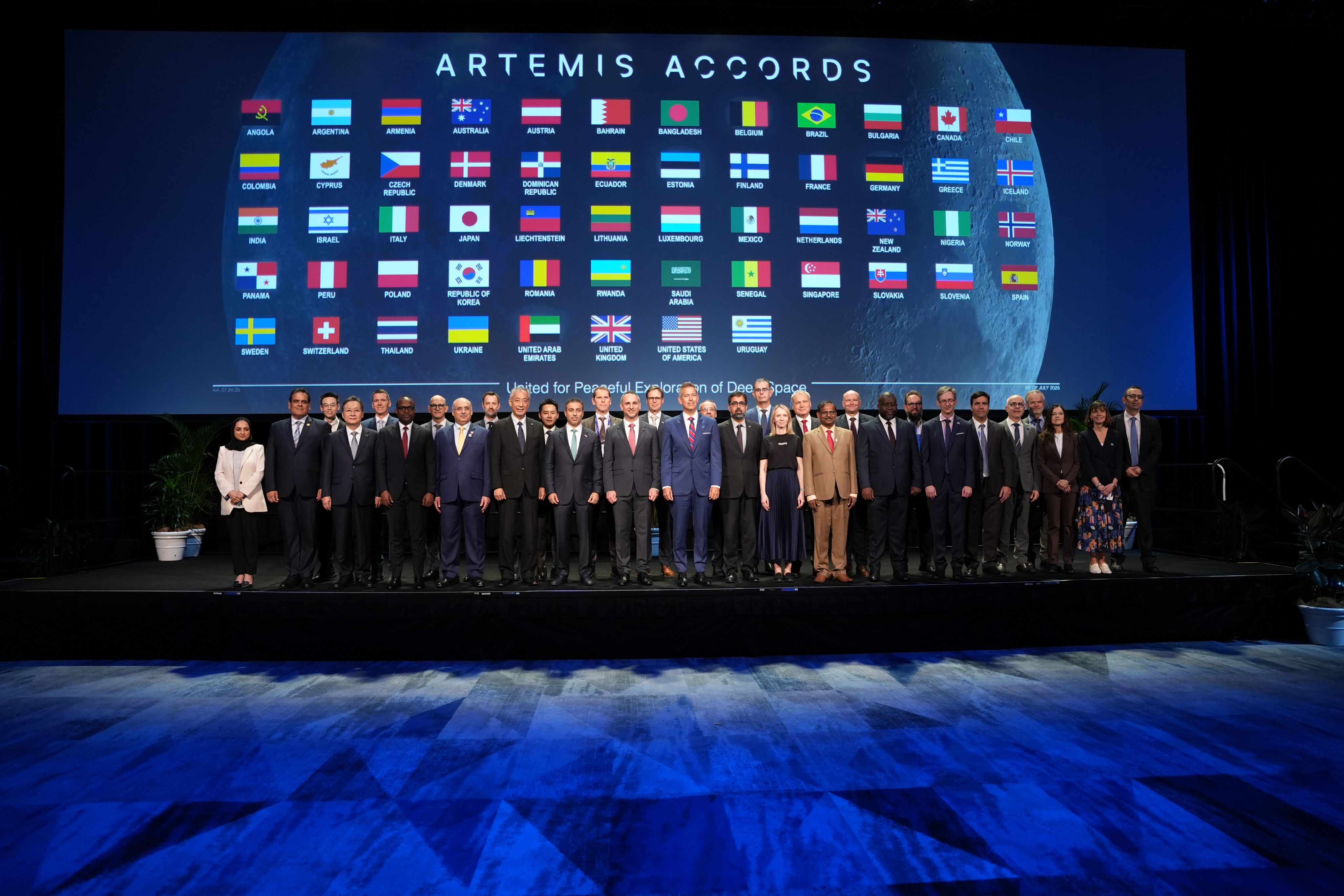
The UAE signs the Artemis Accords, an international treaty by the US space agency Nasa supporting its plans to establish a base on the Moon. The Accords create a partnership to explore the Moon and would potentially include an Emirati astronaut on a future lunar mission.
February 2021
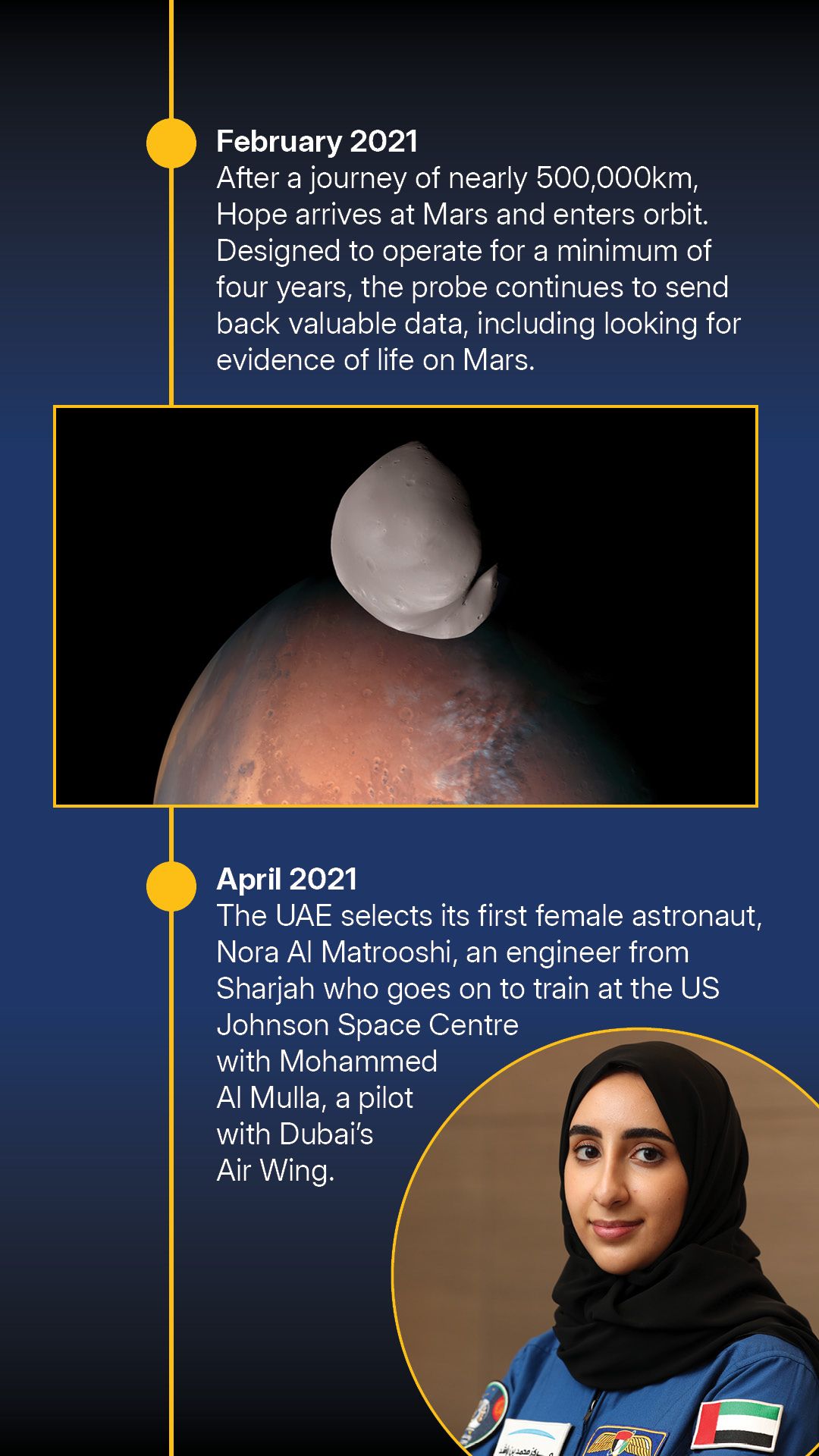
After a journey of nearly 500,000km, Hope arrives at Mars and enters orbit. Designed to operate for a minimum of four years, the probe continues to send back valuable data, including looking for evidence of life on Mars.
April 2021
The UAE selects its first female astronaut, Nora Al Matrooshi, an engineer from Sharjah, who goes on to train at the US Johnson Space Centre with Mohammed Al Mulla, a pilot with Dubai’s Air Wing.

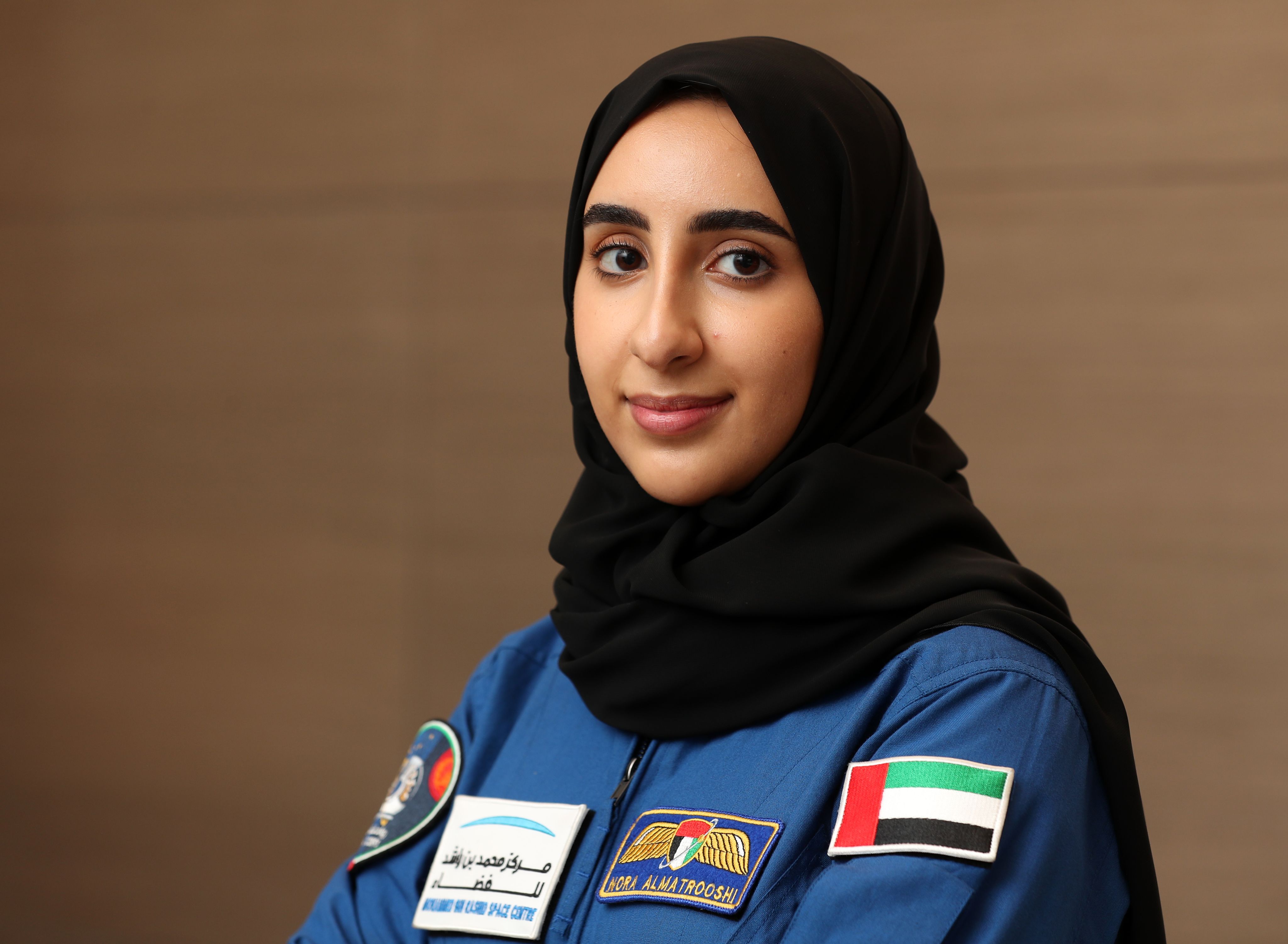
Nora Al Matrooshi, the UAE's first female astronaut. Chris Whiteoak / The National
Nora Al Matrooshi, the UAE's first female astronaut. Chris Whiteoak / The National
March 2023
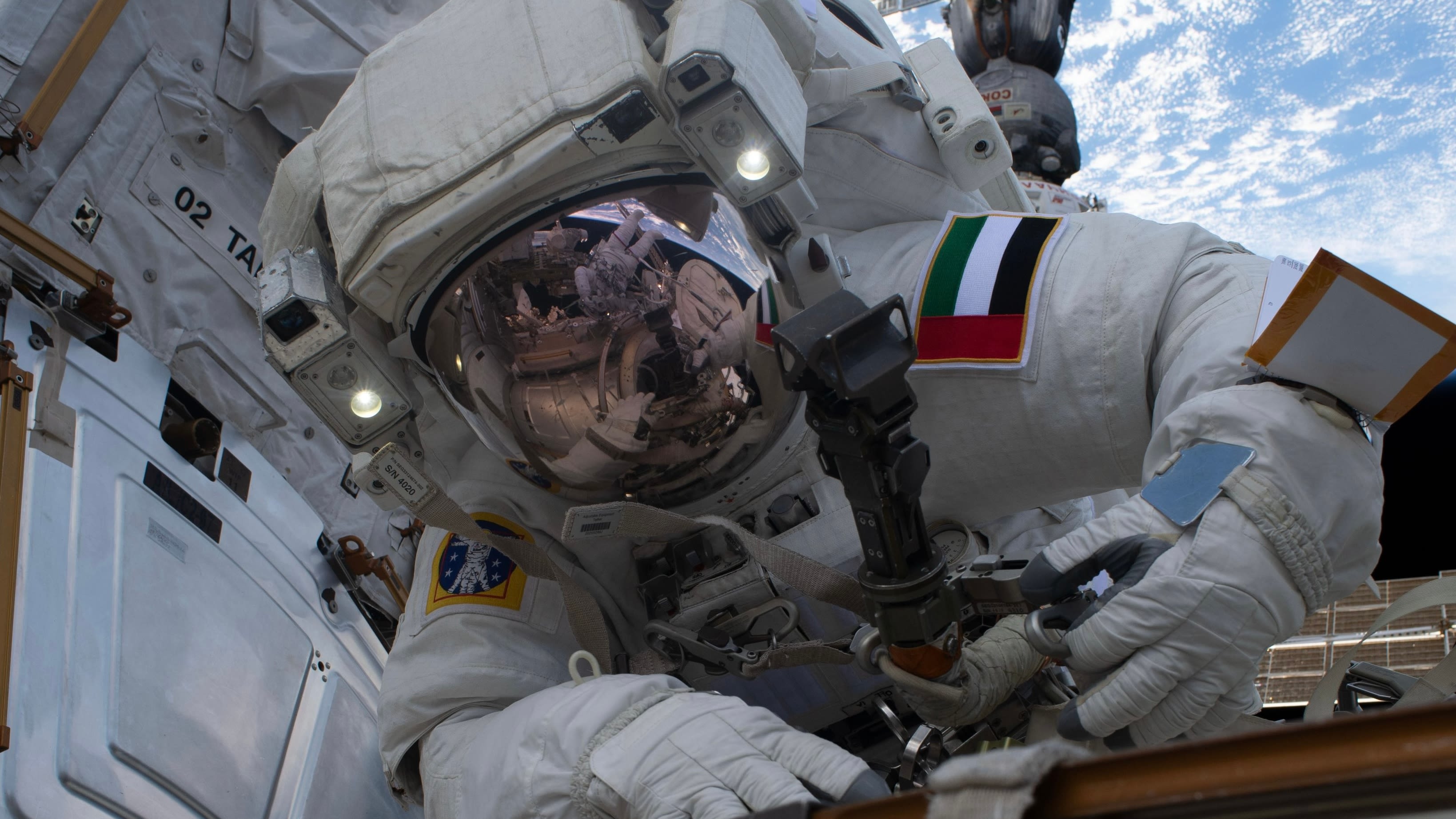
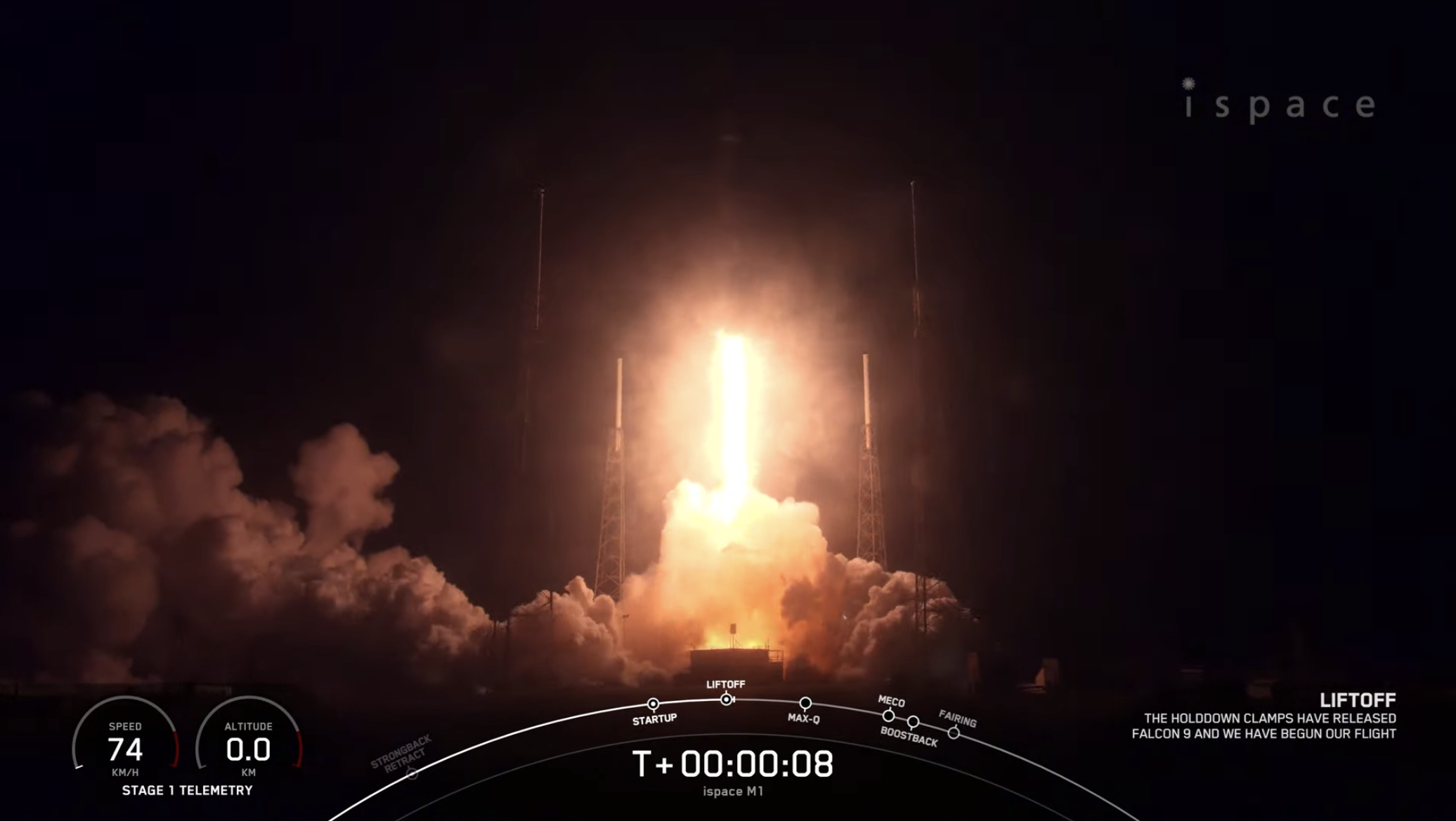
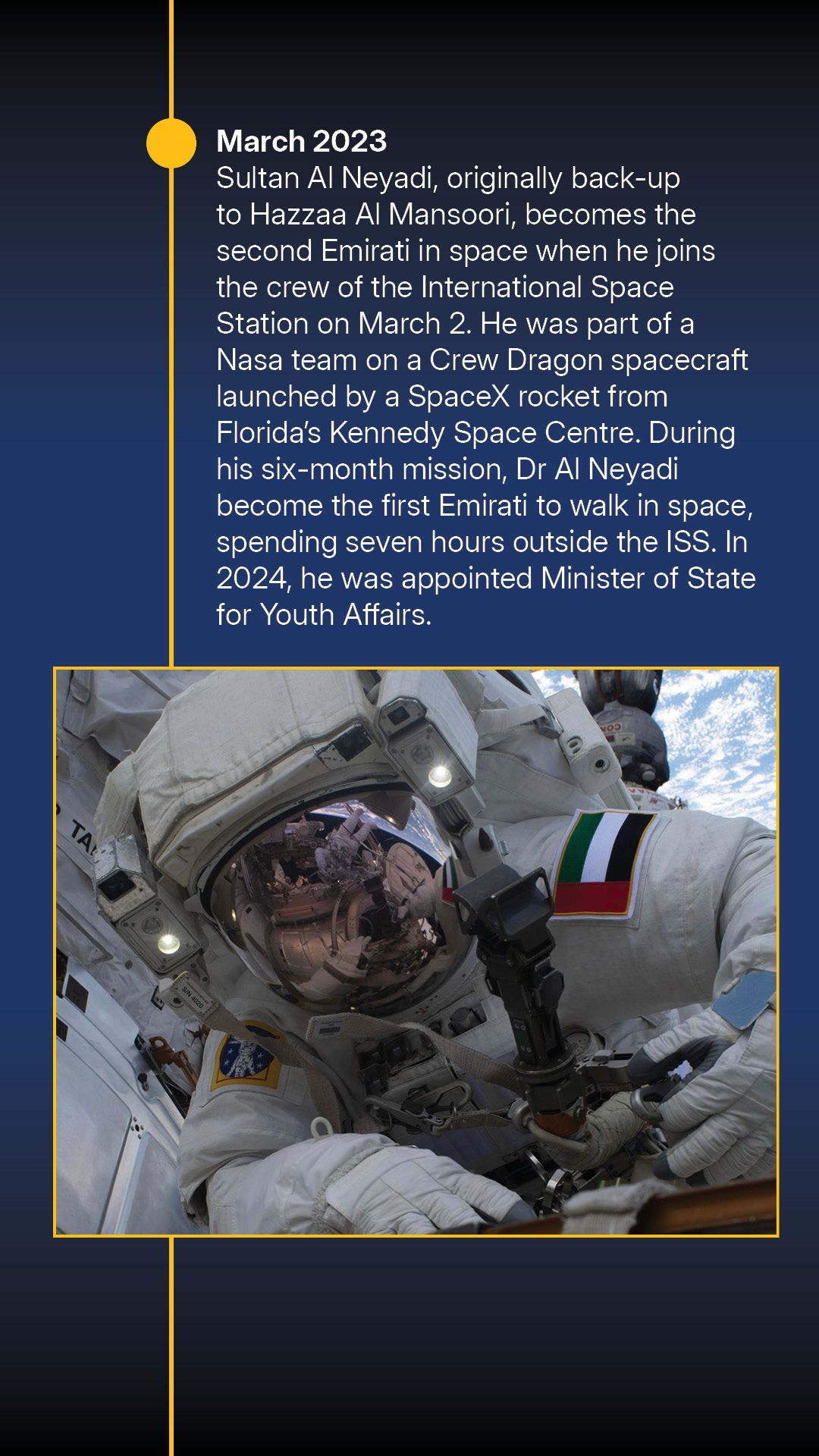
Sultan Al Neyadi, originally back-up to Hazza Al Mansouri, becomes the second Emirati in space when he joins the crew of the International Space Station on March 2. He is part of a Nasa team on a Crew Dragon spacecraft launched by a SpaceX rocket from Florida’s Kennedy Space Centre. During his six-month mission, Al Neyadi became the first Emirati to walk in space, spending seven hours outside the ISS. In 2024, he was appointed Minister of State for Youth Affairs.
April 2023
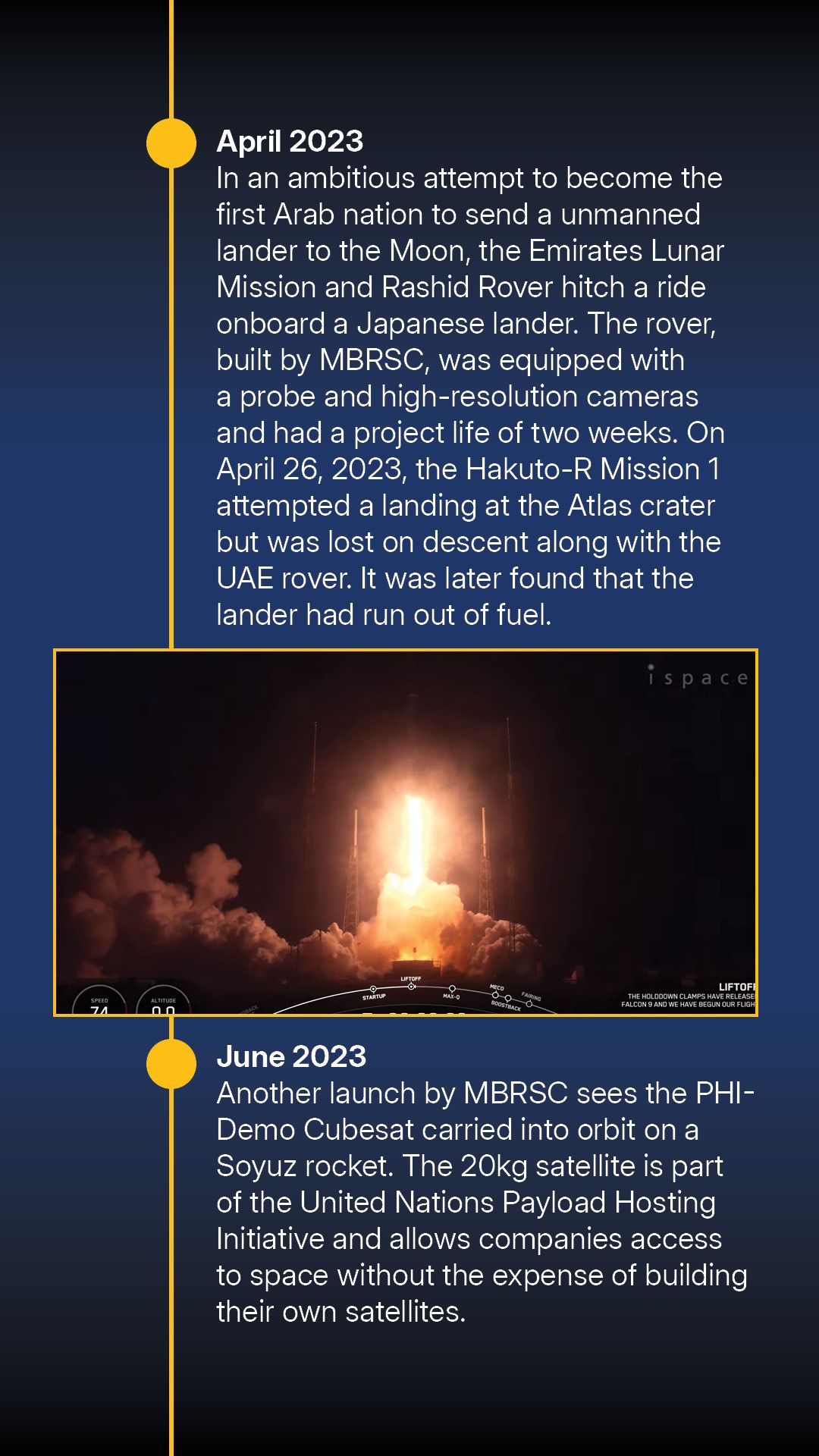
In an ambitious attempt to make the UAE the first Arab nation to send an unmanned lander to the Moon, the Emirates Lunar Mission and Rashid Rover hitch a ride onboard a Japanese lander. The rover, built by MBRSC, was equipped with a probe and high-resolution cameras and had a project life of two weeks. On April 26, 2023, the Hakuto-R Mission 1 attempted a landing at the Atlas crater, but was lost on descent along with the UAE rover. It was later found that the lander had run out of fuel.
June 2023
Another launch by MBRSC sees the PHI-Demo CubeSat carried into orbit on a Soyuz rocket. The 20kg satellite is part of the United Nations Payload Hosting Initiative and allows companies access to space without the expense of building their own satellites.

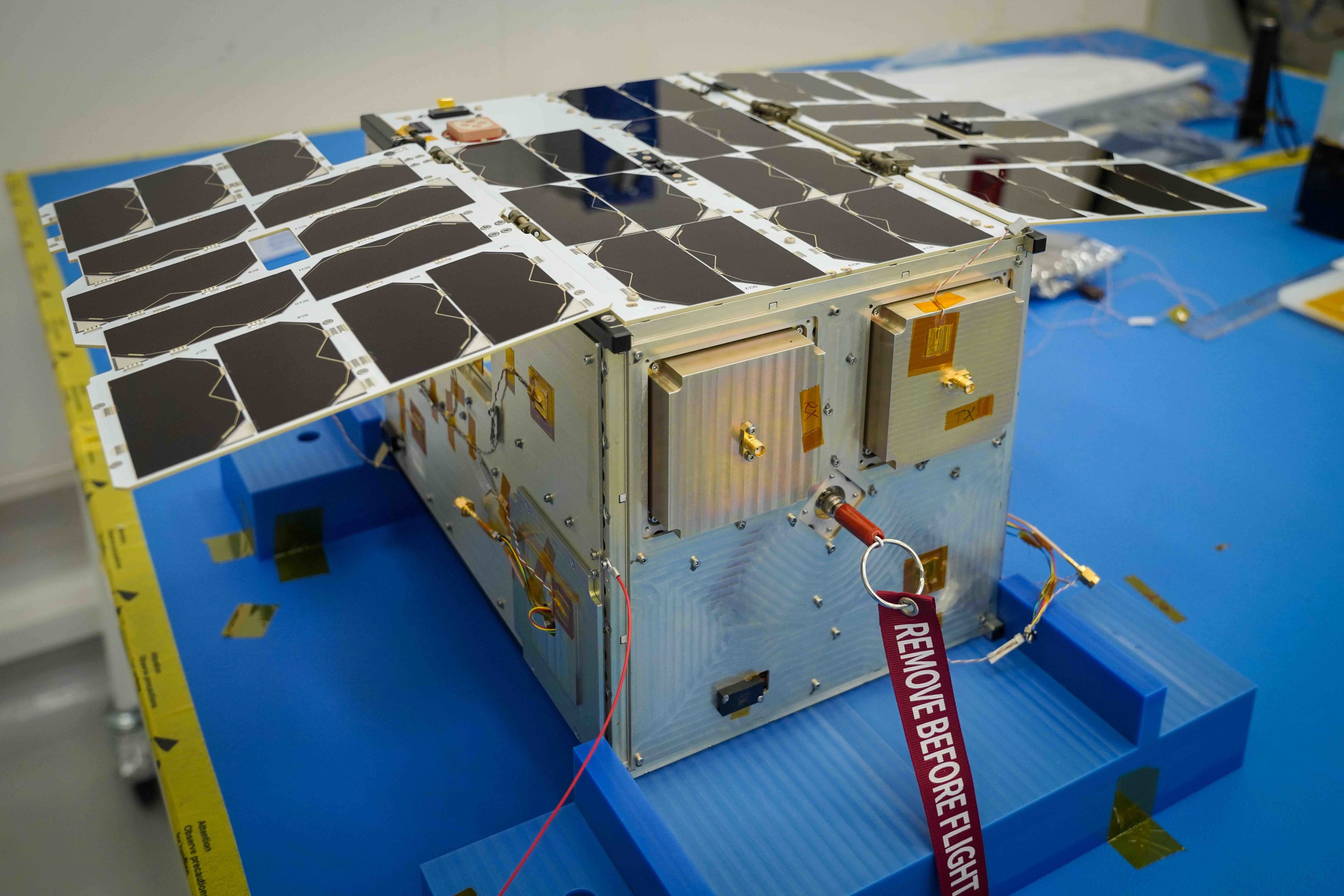
The PHI-Demo CubeSat. Photo: MBRSC
The PHI-Demo CubeSat. Photo: MBRSC
January 14, 2025
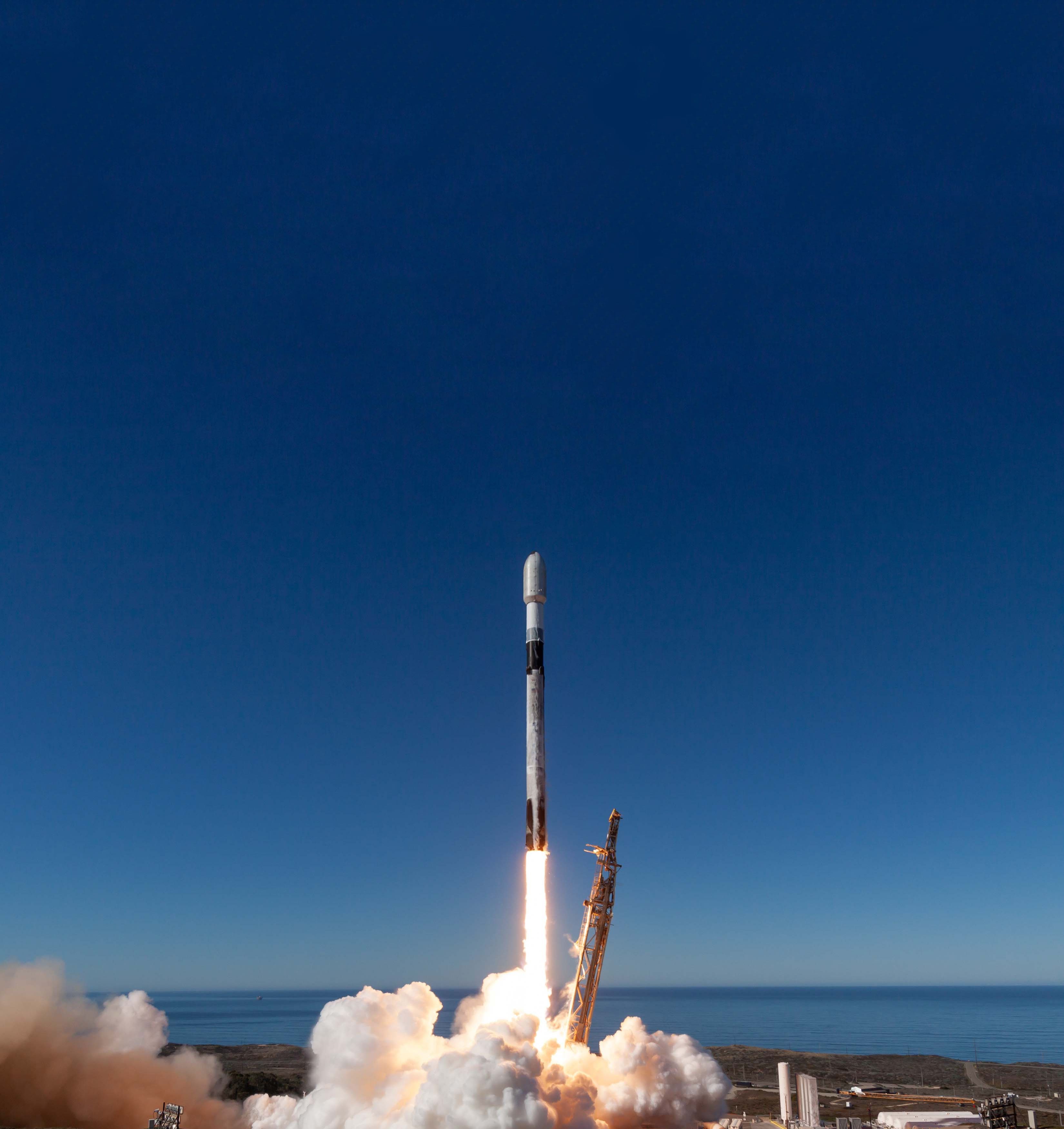
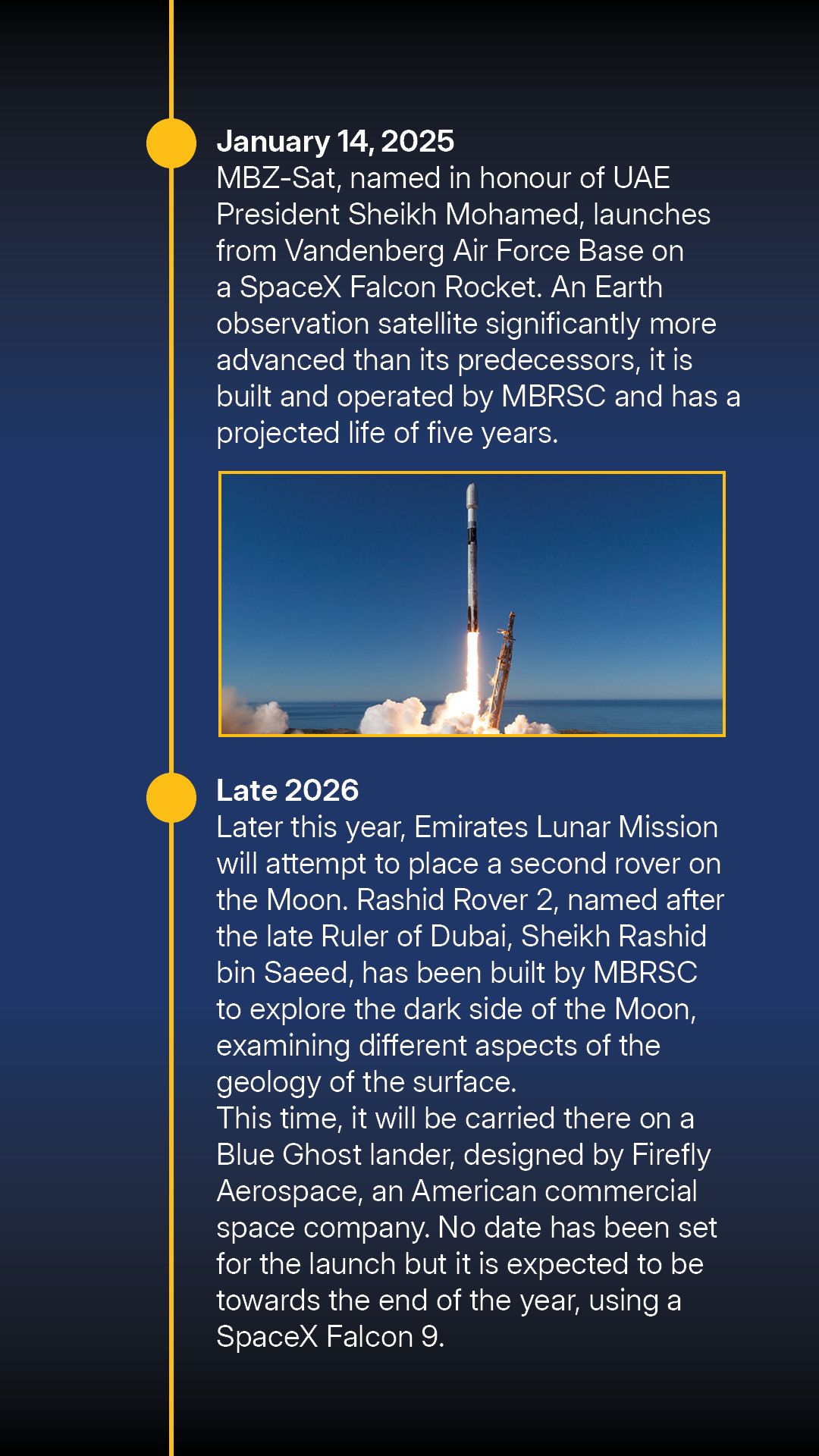
MBZ-Sat, named in honour of UAE President Sheikh Mohamed, launches from Vandenberg Air Force Base on a SpaceX Falcon Rocket. An Earth observation satellite significantly more advanced than its predecessors, it is built and operated by MBRSC and has a projected life of five years.
Late 2026
Later this year, Emirates Lunar Mission will attempt to place a second rover on the Moon. Rashid Rover 2, named after the late Ruler of Dubai, Sheikh Rashid bin Saeed, has been built by MBRSC to explore the dark side of the Moon, examining different aspects of the geology of the surface.
This time, it will be carried there on a Blue Ghost lander, designed by Firefly Aerospace, an American commercial space company. No date has been set for the launch, but it is expected to be towards the end of the year, using a SpaceX Falcon 9.

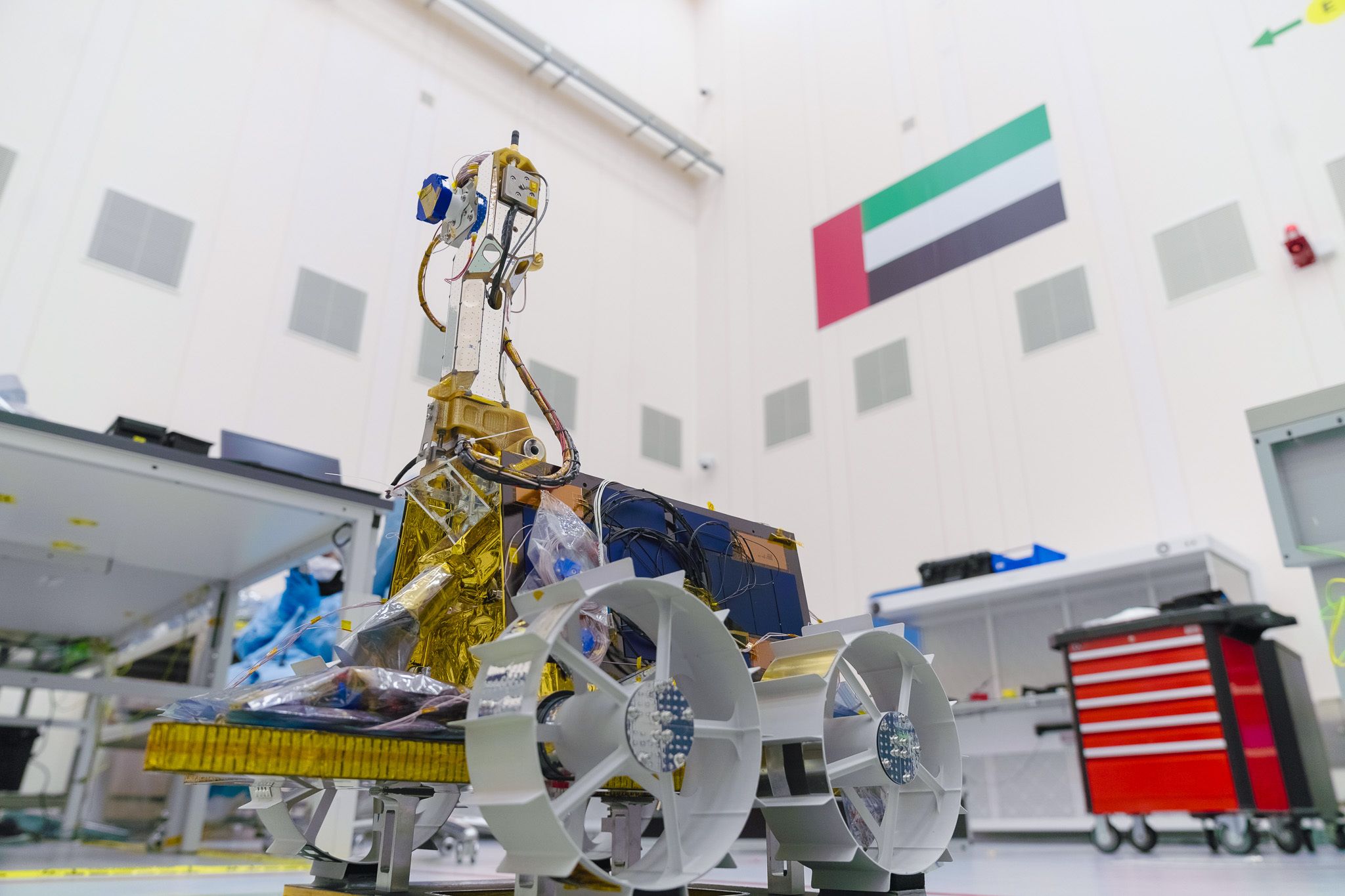
The completed Rashid Rover 2 in MBRSC. Photo: Dubai Media Office
The completed Rashid Rover 2 in MBRSC. Photo: Dubai Media Office
2028
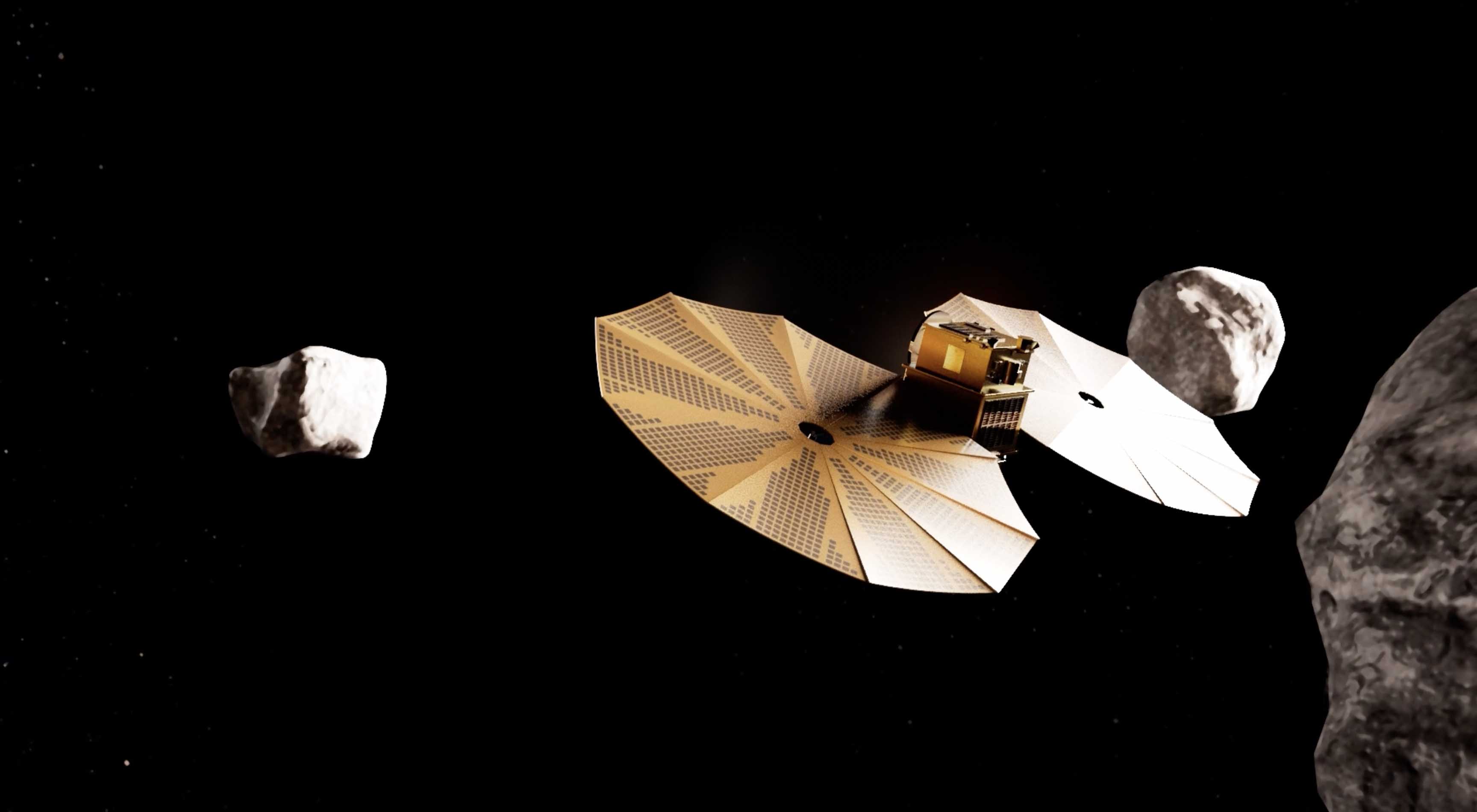
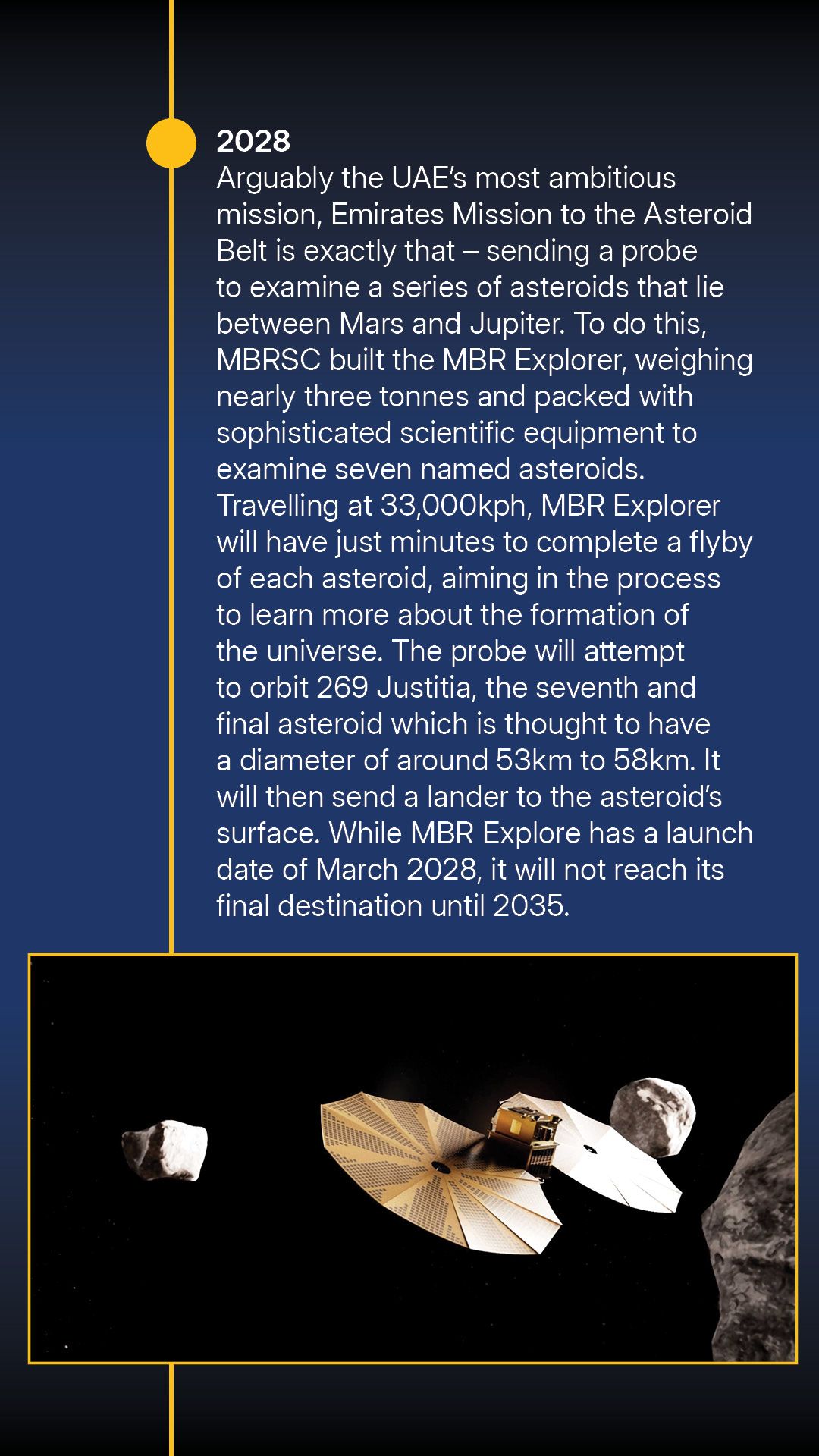
Arguably the UAE’s most ambitious mission, Emirates Mission to the Asteroid Belt is exactly that – sending a probe to examine a series of asteroids that lie between Mars and Jupiter. To do this, MBRSC built the MBR Explorer, weighing nearly three tonnes and packed with sophisticated scientific equipment to examine seven named asteroids.
Travelling at 33,000kph, MBR Explorer will have just minutes to complete a flyby of each asteroid, aiming in the process to learn more about the formation of the universe. The probe will attempt to orbit 269 Justitia, the seventh and final asteroid which is thought to have a diameter of 53km to 58km. It will then send a lander to the asteroid’s surface. While MBR Explore has a launch date of March 2028, it will not reach its final destination until 2035.
2031
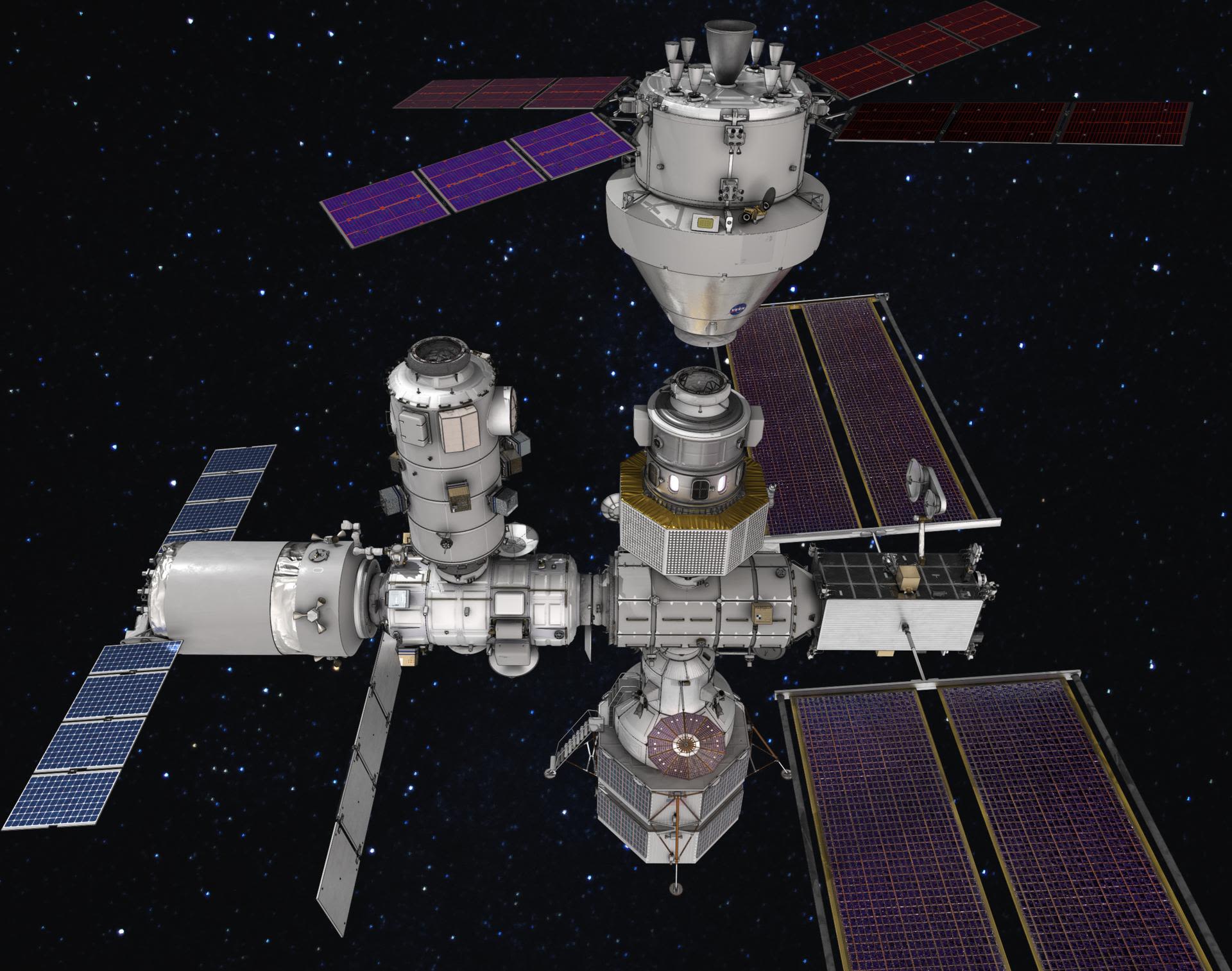
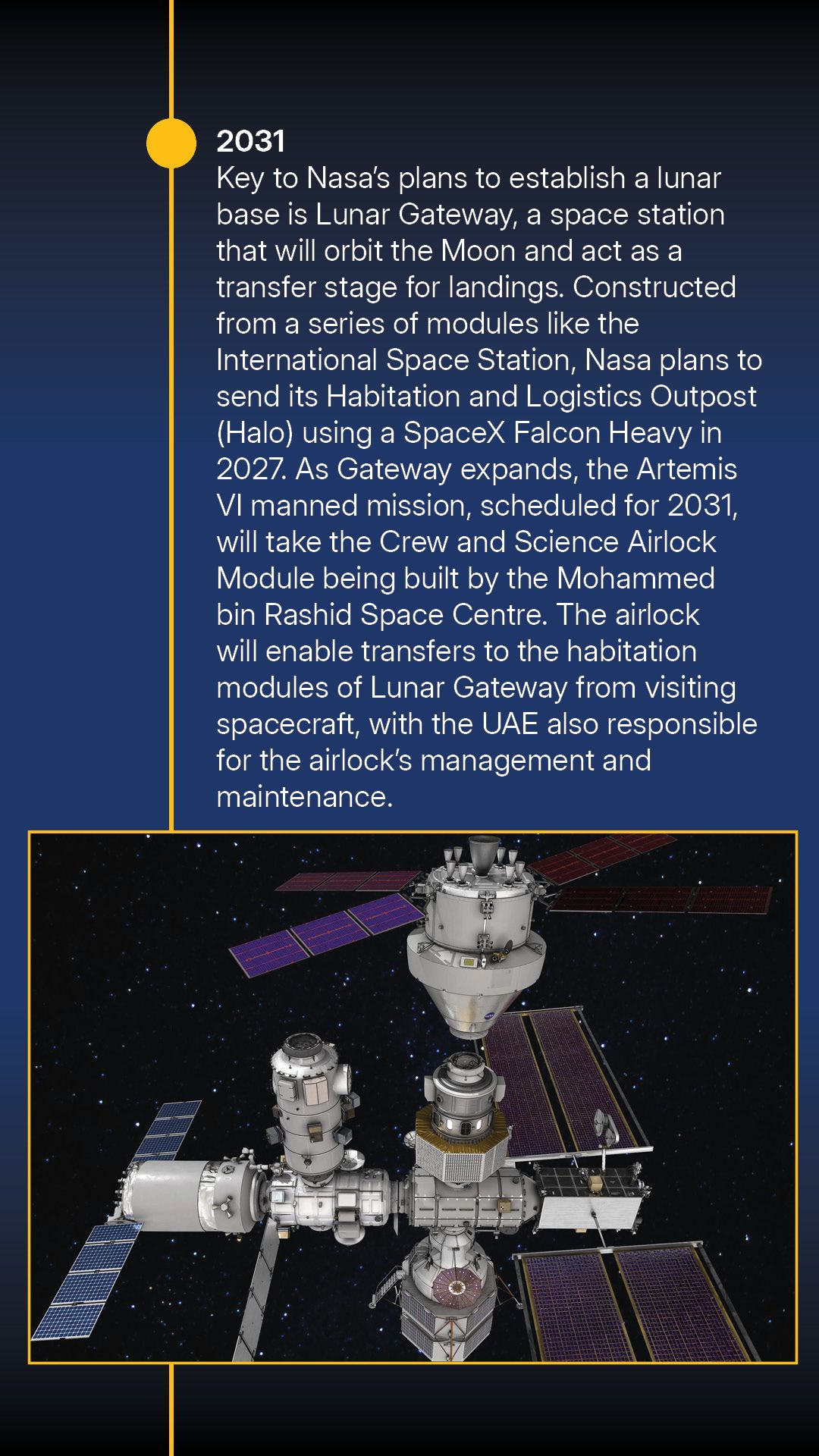
Crucial to Nasa’s plans to establish a lunar base is Lunar Gateway, a space station that will orbit the Moon and act as a transfer stage for landings. Nasa plans to send its Habitation and Logistics Outpost (Halo), built from a series of modules like the International Space Station, using a SpaceX Falcon Heavy in 2027. As Gateway expands, the Artemis VI manned mission, scheduled for 2031, will take the Crew and Science Airlock Module being built by MBRSC. The airlock will enable transfers to the habitation modules of Lunar Gateway from visiting spacecraft, with the UAE also responsible for the airlock’s management and maintenance.
2035?
As a signatory of the Artemis Accords, the UAE is one of a number of international partners in Nasa’s long-term plans for lunar exploration. As well as building the airlock module for the Lunar Gateway, the UAE will almost certainly be offered a place on a future manned lunar mission. Salem Al Marri, director general of MBRSC, has said he hopes to see the first Emirati walk on the Moon by 2035 – almost 60 years after Sheikh Zayed’s historic meeting with the Apollo astronauts.



















Words James Langton
Editor Juman Jarallah
Photo editor Jake Badger
Design Nick Donaldson
Sub editor Julie Adams


 Built with Shorthand